Why go
Bánh mì is the reason to walk into Coda Bakery, and the #6 grilled pork is the one to lead with. The Albuquerque shop, in the International District, runs a Vietnamese bakery-café counter: sandwiches, noodle bowls, spring rolls, pastries baked early, smoothies and boba, all built for a fast daytime visit rather than a sit-down meal.
Vietnamese bakery-café and bánh mì shop
The house describes its own cooking as elevated Vietnamese food in a welcoming, simple café setting: handcrafted, made with local ingredients, with pastries baked early for the day’s traffic. That is a bakery’s rhythm attached to a sandwich shop’s menu.
The menu is concise but wide enough to carry breakfast, lunch, takeout and catering. Sandwiches, noodle bowls, spring rolls, pastries, smoothies and boba are the core categories, with bánh mì anchoring the structure and the #6 grilled pork the version singled out most often. Around it sit a shrimp sausage noodle bowl, fresh spring rolls made in quantity for catering, a tofu bánh mì built on tofu the shop makes itself, bánh cam, and a mango smoothie that can be pulled with boba.
Recognition and what to expect
Coda reaches past the neighborhood-counter category. It has taken dozens of local awards over the years and reached the James Beard Awards semifinalist list for Outstanding Bakery in the Southwest in both 2024 and 2025.
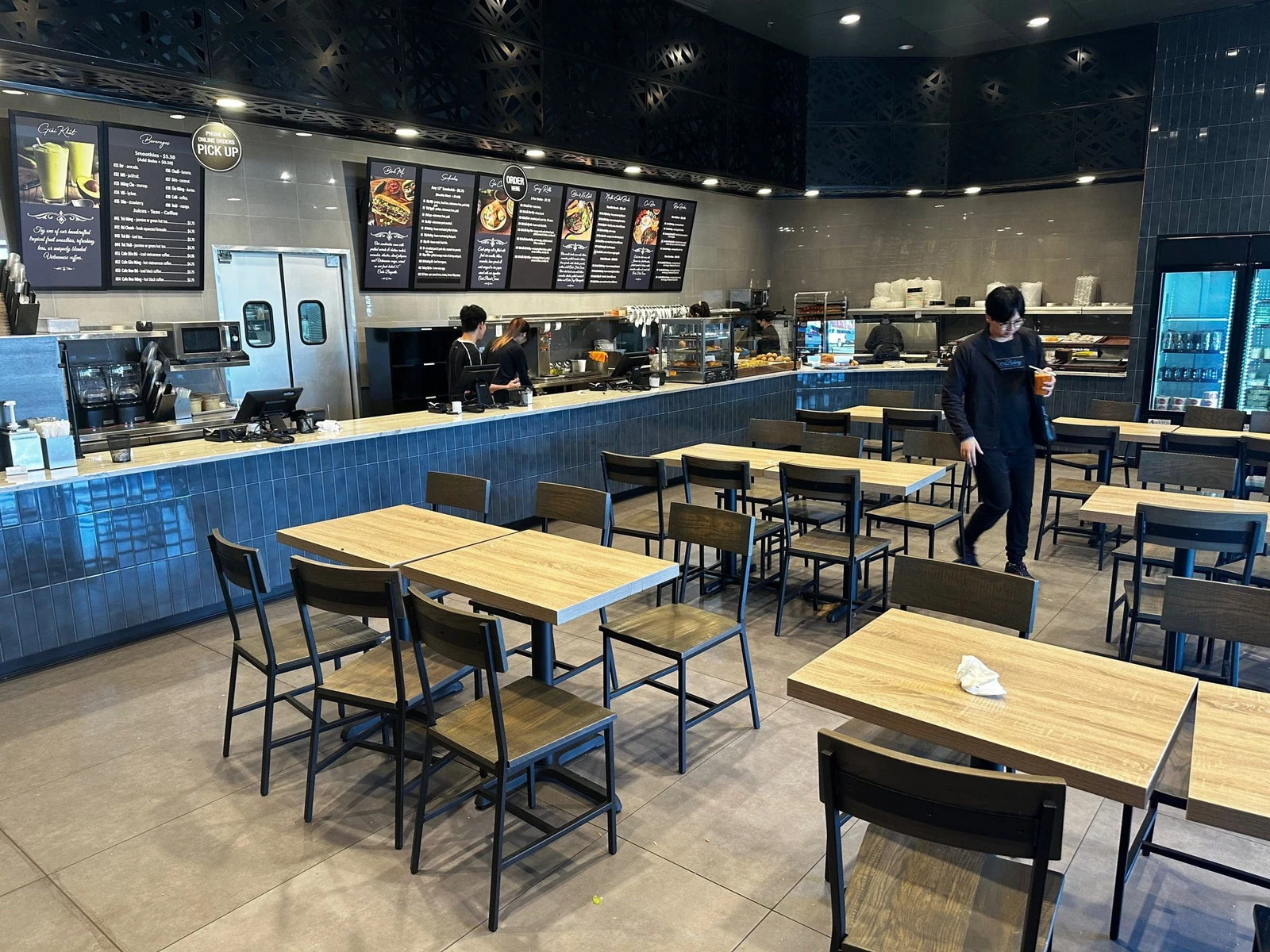
The visit itself is quick and casual. The room is small and it fills at lunch, yet it still moves food fast enough to seat a party of four and feed them without a wait that matters. Staff work quickly, the counter is built around takeout as much as dine-in, and the atmosphere stays simple and welcoming rather than designed.
Start with the grilled pork bánh mì
Start with the #6 grilled pork bánh mì for the most direct route into Coda’s sandwich identity. It anchors the shop’s broader reputation for Vietnamese sandwiches. From there, add spring rolls to see the catering-friendly side, or take the shrimp sausage noodle bowl when the appetite wants a bowl and chopsticks instead of bread.
For the bakery half, the counter points to pastries, bánh cam, smoothies and boba rather than a long plated-dessert list. A mango smoothie is the simplest cold order, and smoothies with boba show how the drinks overlap with the food. The bakers start early and the kitchen leans on fresh local ingredients, so the strongest order combines portable Vietnamese staples: a bánh mì, spring rolls or a noodle bowl, and something cold to carry out with them.
Frequently asked questions
What should you order at Coda Bakery?
The #6 grilled pork bánh mì is the clearest starting point, since the sandwich counter is what Coda is known for. Add fresh spring rolls, or take the shrimp sausage noodle bowl for something eaten with chopsticks. A mango smoothie, with or without boba, is the standard cold finish, and bánh cam covers the sweet side.
Has Coda Bakery won any awards?
Coda Bakery reached the James Beard Awards semifinalist list for Outstanding Bakery in the Southwest in 2024 and again in 2025. It has also collected dozens of local awards over the years, which is unusual company for a small counter-service Vietnamese bakery working mainly in sandwiches, noodle bowls and early-baked pastries.
Compare nearby places
| Venue | Type | Area |
|---|---|---|
| I Scream Ice Cream | Café | Midtown/University |
| The St. James Tearoom | Café | Albuquerque |
| Sweet Teez Bakery | Bakery | Dorchester |
| Liguria Bakery | Bakery | North Beach |
| Chococo Café (500 Madison Avenue flagship) | Bakery | Midtown |