Why go
Chocolate first, with pastry behind it
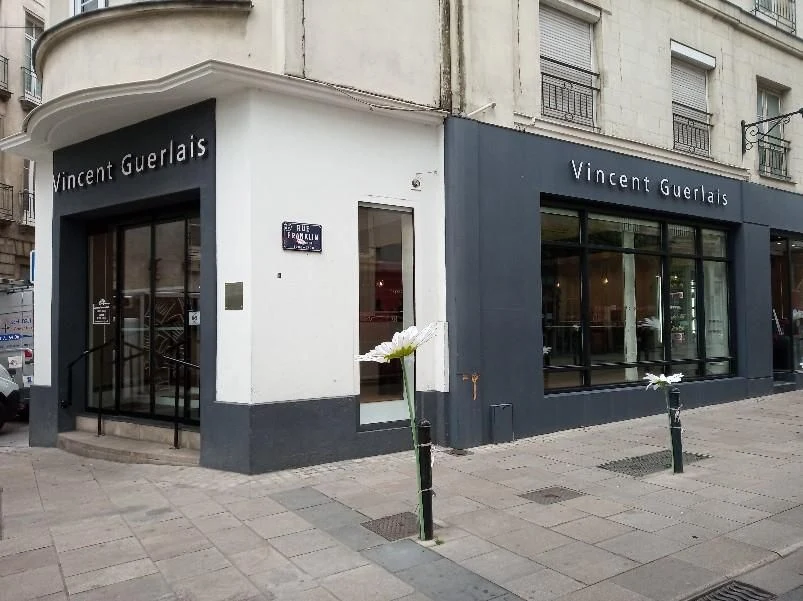
The case here is chocolate, pastry, biscuits and gift boxes, in that order. This is the Saint-Sébastien-sur-Loire branch of Chocolaterie Vincent Guerlais, the artisan chocolate and pastry house he founded in 1997. His own description, maître chocolatier, pâtissier and biscuitier, explains where the weight falls: confectionery and biscuit work rather than bread or a broad café menu. The house is rooted in Nantes and Loire-Atlantique, with seven boutiques across the department, including Nantes, La Chapelle-sur-Erdre, Carquefou, Sautron and this one. Guerlais is also tied to Les Rêves de Dessert and turns up at chocolate events such as the Chocolat Festival, which reinforces a specialist position rather than a general pastry one. The seven shops sit close together, so the house works as a Loire-Atlantique institution rather than a national brand.
A boutique built for choosing
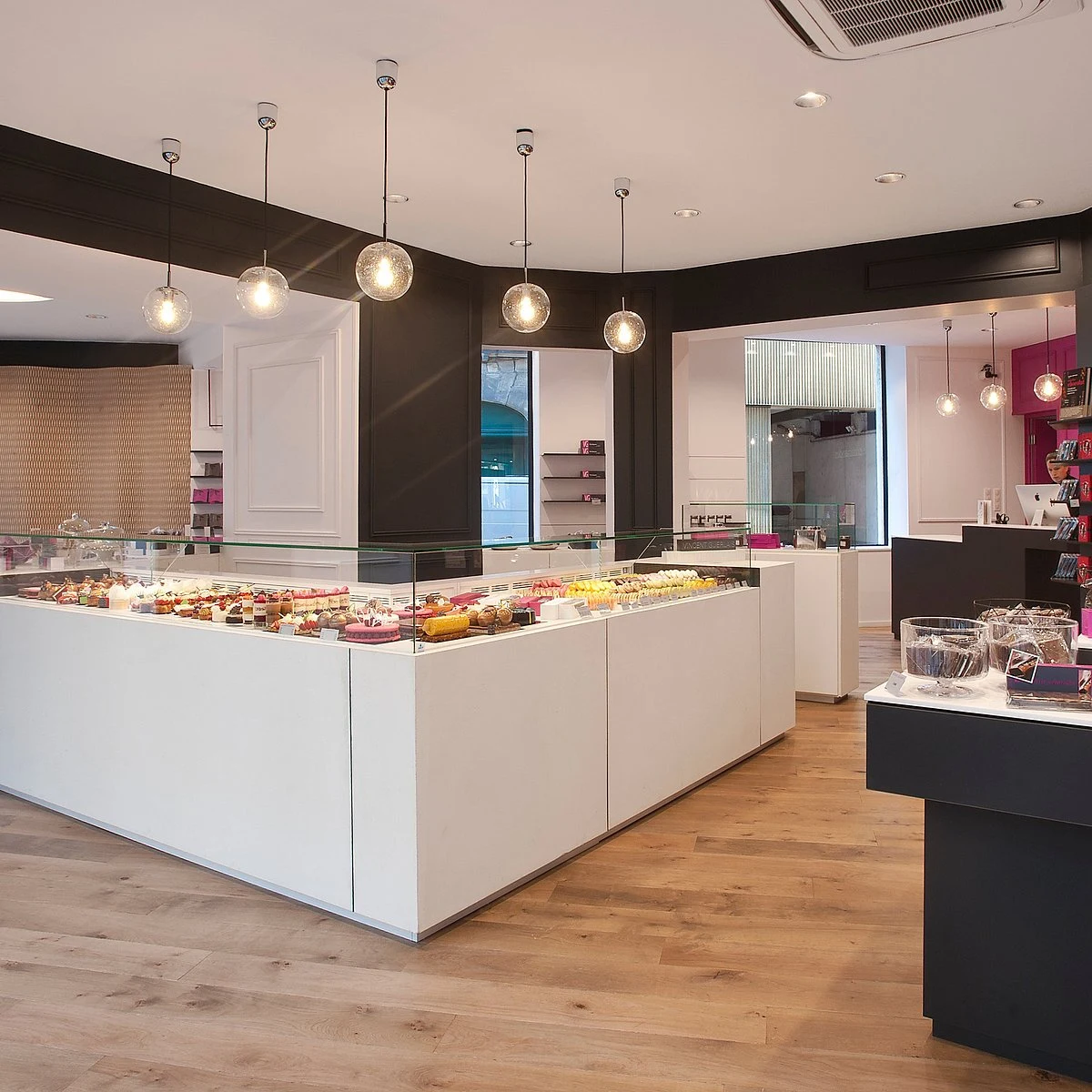
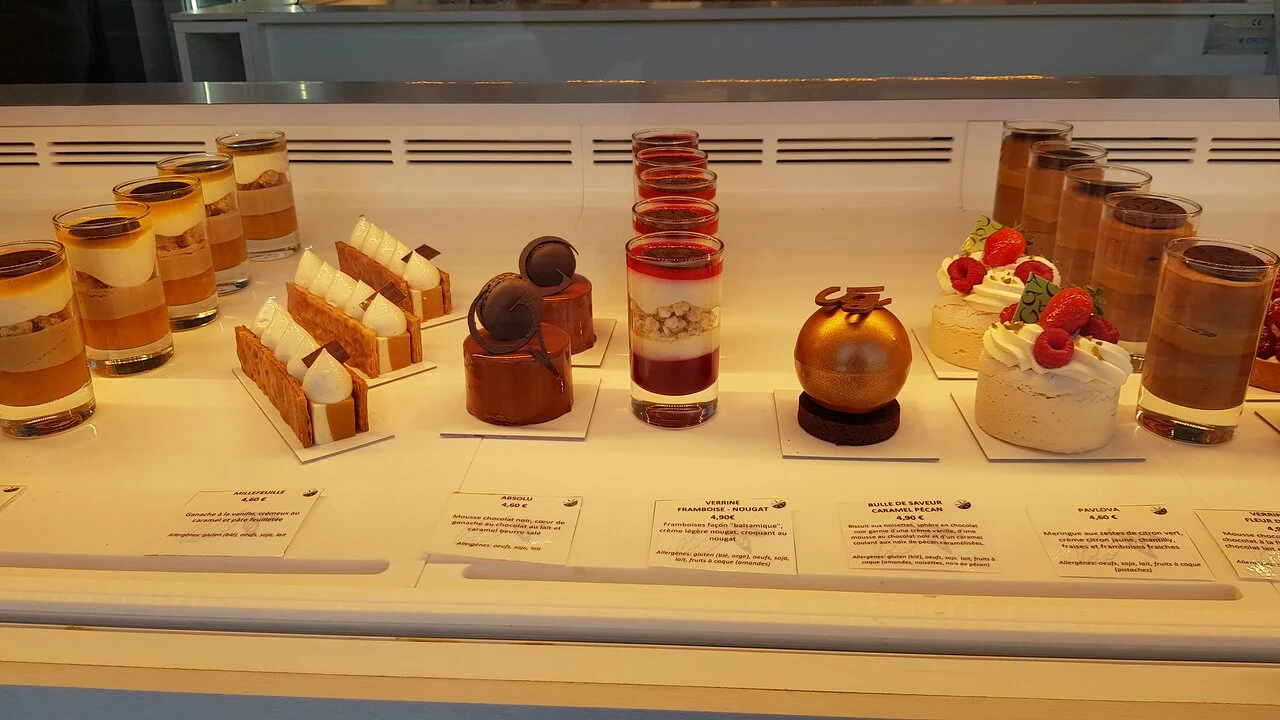
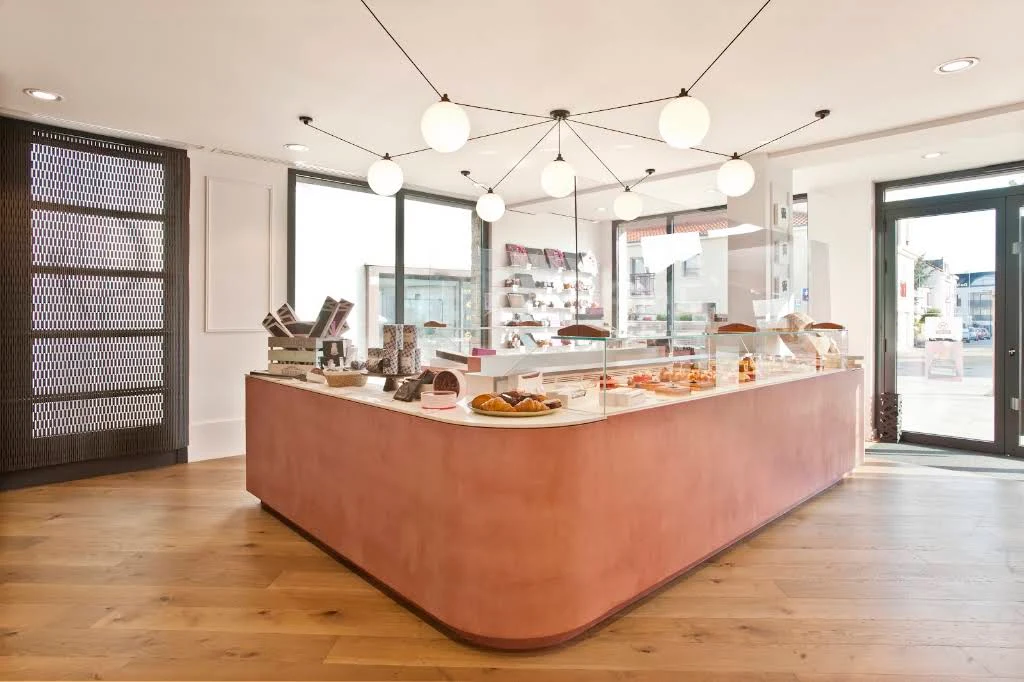
The shop works as a specialist counter, with the option to eat something on site or carry it away. The visit revolves around finished pieces and gift formats: chocolates, pastries, biscuits, boxes and seasonal ranges from the Guerlais repertoire. The named sweets are specific to the house. Choco’ Nantais is the signature, built on shortbread, gianduja, vanilla and chocolate technique rather than a viennoiserie base. Kawaii mini-tarts and Fondant Nantais sit alongside it, and the Guerl’Ice line arrives in summer. Regional produce runs through the wider range, including fleur de sel de Guérande. Savory dishes are not part of the offer, and the emphasis stays on chocolate, pastry, biscuits and confectionery gifts.
How this branch fits the house
For anyone comparing addresses, Saint-Sébastien-sur-Loire belongs to the same house as Nantes, Carquefou, La Chapelle-sur-Erdre and Sautron, so it is part of a regional network rather than a one-off neighbourhood counter. That matters mostly for consistency: the same chocolate work and the same seasonal ranges reach every shop. The house also runs workshop sessions under the Atelier Gourmand name, which is as close as it comes to a hospitality format, and it appears at chocolate events through the year. Guerlais describes himself as an agitateur de papilles, and the range fits that, sensory confectionery and seasonal collections built to be given as much as eaten. The strongest signals sit with the house itself: the 1997 origins, the chocolatier-pâtissier-biscuitier credentials, and a place among Relais Desserts member boutiques.
Frequently asked questions
What is Choco’ Nantais?
It is the signature sweet of the house, built on shortbread biscuit, gianduja, vanilla and chocolate technique rather than a pastry or viennoiserie base. It is the piece most specific to Vincent Guerlais, and the one to take if only one thing leaves the shop.
What else should I look for in the case?
Kawaii mini-tarts and Fondant Nantais sit beside the chocolates through the year, and the Guerl’Ice line arrives in summer. Fleur de sel de Guérande runs through the wider range. Gift boxes take up much of the counter, so mixed selections are the norm.
Compare nearby places
| Venue | Type | Area |
|---|---|---|
| Chocolaterie Vincent Guerlais - Gare de Nantes | Bakery | Gare de Nantes |
| Chocolaterie Vincent Guerlais - Talensac | Bakery | Talensac |
| Chocolaterie Vincent Guerlais | Bakery | Graslin - Commerce |
| Chocolaterie Vincent Guerlais - Carquefou | Bakery | Place Saint-Pierre (place de l'église) |
| Chocolaterie Vincent Guerlais - Sautron | Bakery | — |