City Hall

Capitol Patisserie

BakeryPatisserieAbout $35 a head
Capitol Patisserie

Why go

Approaching the Capitol complex, the mood shifts from shopping-mall velocity to civic-district polish: colonnades, hotel traffic, office footfall, and a steady stream of diners moving between coffee, cake, and dinner reservations. In Singapore, that setting matters. Patisserie here is not a side category; it sits between hotel afternoon tea, Japanese-style precision, French technique, and the city’s habit of treating dessert as a serious stop rather than an afterthought.

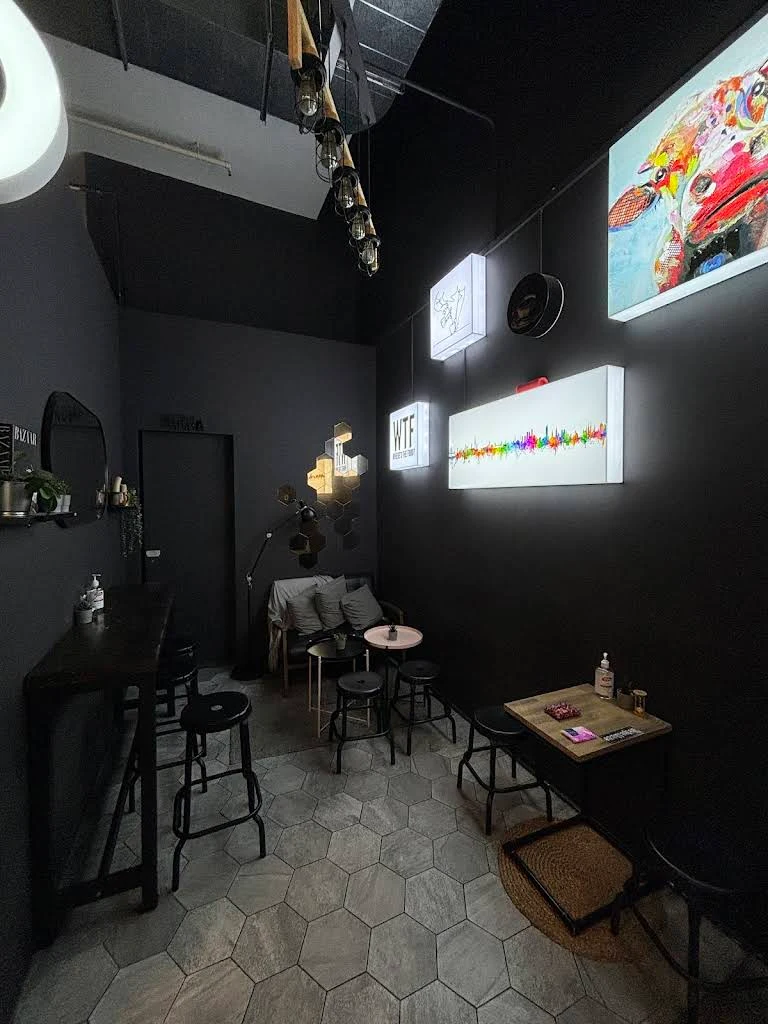
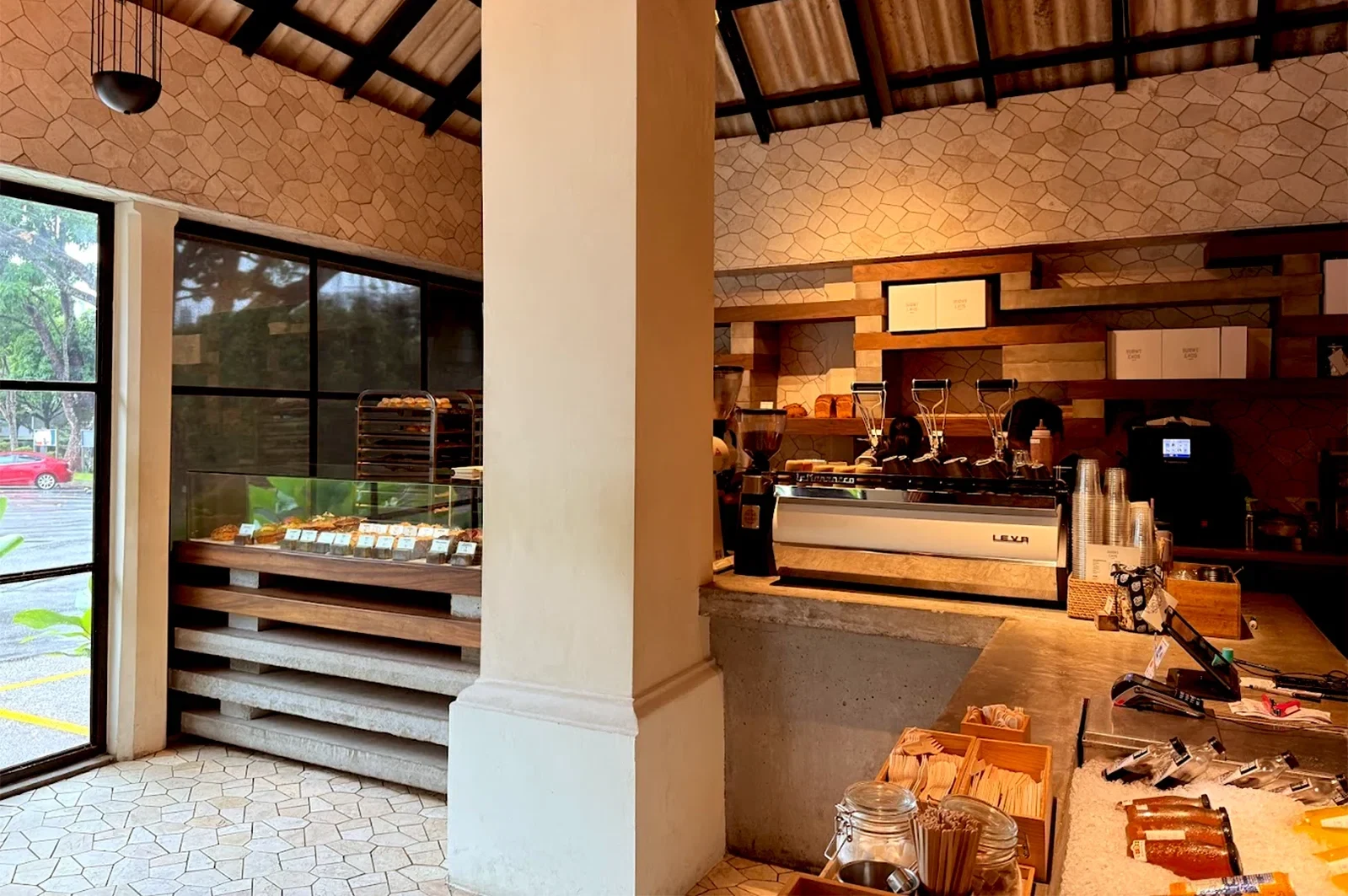
Capitol Patisserie belongs to that polished central-city tier. The address places it inside Arcade @ The Capitol Kempinski, which gives the format a hotel-adjacent context without turning the experience into formal dining. That distinction is useful for readers deciding between a full restaurant booking and a shorter sweet course. Singapore’s higher-end dining map can move from the British Contemporary cooking at Jaan by Kirk Westaway to French Contemporary rooms such as Whitegrass, while the civic district itself keeps hotel restaurants and casual counters in close conversation.

Ingredient-led sweets in a city that takes dessert seriously

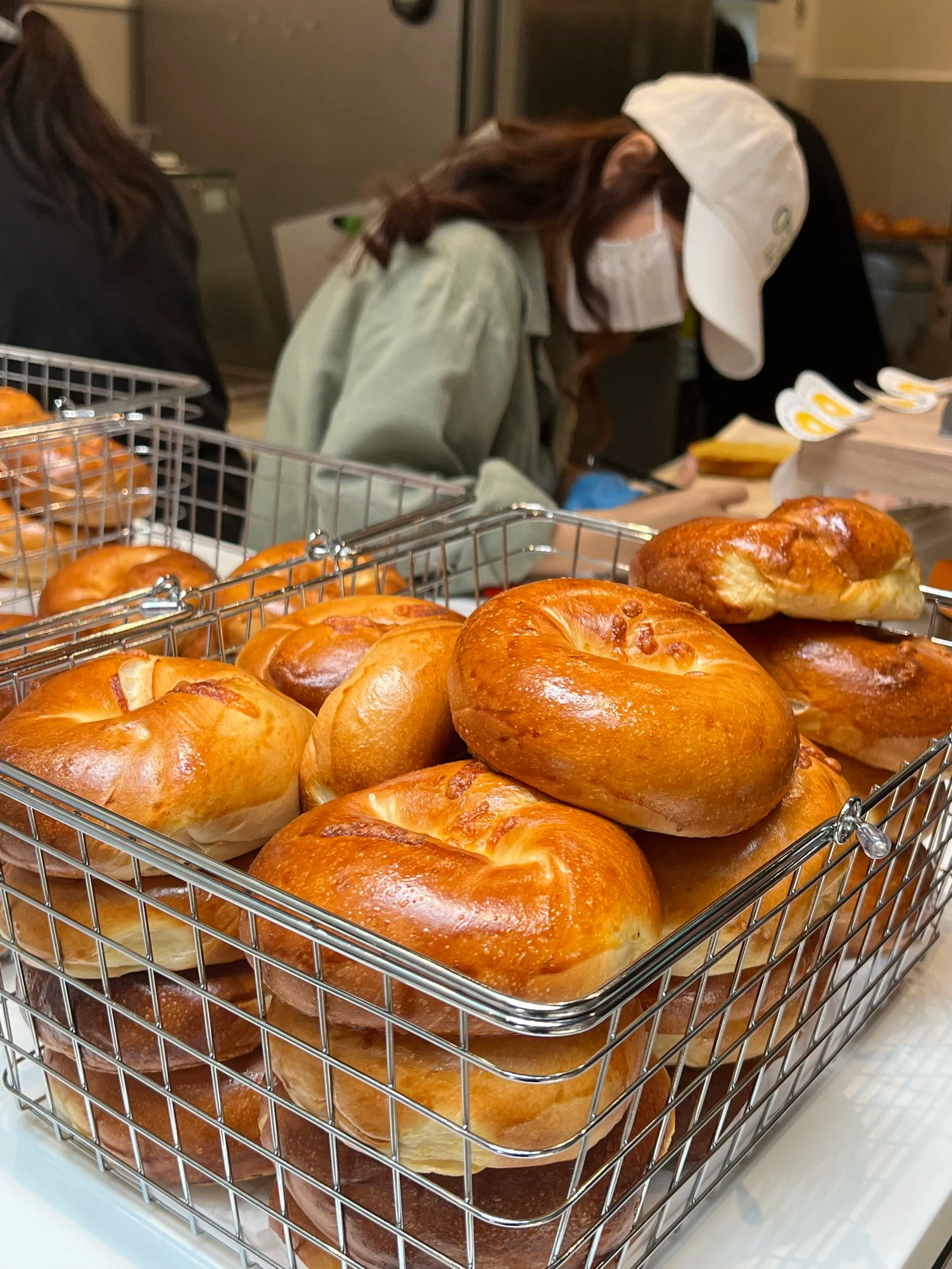
The more interesting story is Singapore’s dessert literacy. The city understands both the quick sugar hit and the technical plate: kaya toast at breakfast, chendol in the heat, plated desserts after tasting menus, and pastry cases that borrow from Paris while adapting to tropical appetite. A patisserie in this part of town has to read that audience correctly. Heavy richness can feel out of step by mid-afternoon; precision, freshness, and clean sequencing matter more than excess.

That ingredient question is where the category earns attention. In Singapore, pastry work often depends on imported dairy, chocolate, flour, nuts, and fruit, then meets local expectations around texture, temperature, and restraint. The point is not provenance theatre. It is whether the sourcing logic supports the format: laminated pastry that survives humidity, cream work that does not collapse into heaviness, fruit components that keep acidity intact, and chocolate or nut preparations that read clearly rather than generically sweet.

Capitol Patisserie should be understood against that wider dessert circuit rather than as a substitute for dinner. For a dedicated dessert comparison, 2am:dessertbar (Dessert Bar) occupies the more specialist end of Singapore’s sweet-course culture. For a broader civic-district meal before or after, 15 Stamford Restaurant gives the same precinct a fuller restaurant frame, while 1887 by André points to the city’s appetite for chef-led dining formats. These are not identical propositions; they show how tightly Singapore packs restaurant ambition, hotel polish, and short-format eating into the same central zones.

The Capitol setting rewards a shorter, sharper stop

The Capitol address gives the patisserie its main strategic advantage: it sits in a district used by travellers, office diners, theatregoers, and hotel guests without requiring the commitment of a tasting menu. That makes it more useful as a calibrated pause than as a destination dinner. In a city where eating well can mean a Michelin-room lunch, a hawker bowl, or a late dessert counter on the same day, the shorter format has real value.

Singapore’s dining culture also resists neat hierarchy. A serious itinerary might include 328 Katong Laksa (Peranakan), 545 Whampoa Prawn Noodle, Ah Ter Teochew Fishball Noodles in Downtown Core, or Ann Chin Popiah in Outram in the same conversation as hotel dining. That range is not a contradiction. It is the city’s defining strength: technique, sourcing, speed, and comfort all have their own lanes.

For visitors mapping a day around the centre, Capitol Patisserie works well as a hinge between neighbourhoods rather than the only food plan. Orchard’s polished dining rooms, Rochor’s old-school Indian restaurants, and airport-side food stops all pull different threads through the city. The same itinerary could reasonably point toward Béni in Orchard, Banana Leaf Apolo in Rochor, Bugis Street Ah Huat Hainanese Chicken Rice in Changi Airport, or Asian Twist by 365 Food in Queenstown, depending on the day’s geography and appetite.

How to place it in a Singapore food itinerary

The editorial case for this patisserie is practical rather than grandiose: it gives the civic district a composed dessert and coffee stop inside a hotel-linked arcade, in a city where pastry has become part of the serious dining conversation. Readers looking for awards, chef biographies, or formal tasting-menu signals will find stronger evidence elsewhere. Readers looking for a polished sweet course between meals, or a calmer stop near the city’s heritage core, have a clearer reason to pay attention.

For wider planning, use Our full Singapore restaurants guide to balance patisserie with hawker institutions and chef-led rooms. The city also rewards cross-category planning: Our full Singapore hotels guide helps with neighbourhood base decisions, Our full Singapore bars guide covers the after-dark circuit, Our full Singapore wineries guide tracks wine-focused addresses, and Our full Singapore experiences guide fills in the cultural calendar around meals.

One caution: do not judge this format by the same criteria used for a destination restaurant. A patisserie succeeds through consistency, ingredient handling, and the fit between setting and appetite. In that frame, Capitol Patisserie is a useful central stop in a city that already knows how to move from laksa to laminated pastry without treating either as secondary.

Travellers extending the same food-led lens beyond Singapore can compare how specialist formats translate elsewhere, from Jōdo Saké Bar in Los Angeles to Onigiri Time in Pasadena. The lesson is consistent: short-format venues work when the sourcing, setting, and use case are aligned.

Tags

ModernElegantSophisticatedTrendyCozyCasual HangoutAfter WorkGroup DiningCelebrationDate NightFamilyHistoric BuildingDesign DestinationHotel RestaurantTerrace