Why go
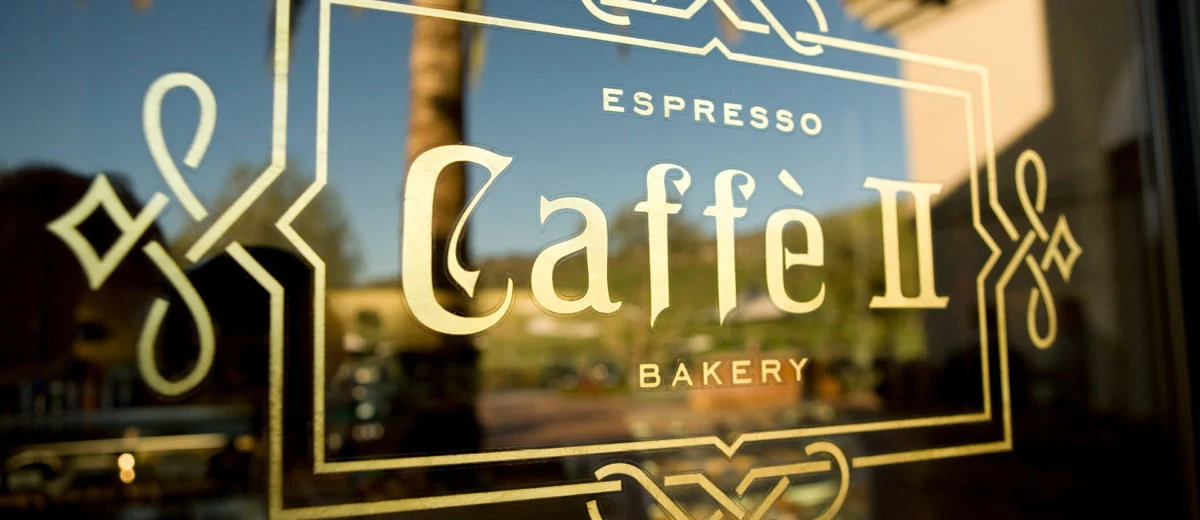
House-made gelato in up to ten flavours is the standout at Pelican Hill's oceanfront café-market, with Italian espresso and artisan sandwiches either side of it.
Italian coffee, market food and gelato under one roof
Caffè & Market combines a resort café with a compact market selection, built around a gourmet-meets-on-the-go idea rather than a formal dining room or a destination tasting counter. Barista-made authentic Italian coffee drinks anchor the beverage side, giving the venue an espresso-centred identity for morning and daytime visits.
The food side is built from freshly prepared artisan sandwiches, fresh-baked pastries, cheeses, and house-made gelato rather than a long full-service menu. Gelato is the clearest signature, offered in up to ten flavours. The market element matters too: cheeses, pastries, and sandwiches make the counter useful for assembling a casual meal, a snack, or provisions to carry elsewhere on the property.
A casual resort café and market
Caffè & Market is part café, part market, and part Pelican Hill amenity, designed for guests who want quality food without a longer seated restaurant experience. Mobility is designed in: items can be taken back to a Bungalow or Villa, packed for a beach picnic, brought on a harbour cruise, or eaten at the indoor and outdoor café tables.
That structure shapes the visit. The counter supports a quick coffee stop, a casual lunch around an artisan sandwich, a pastry break, or a gelato run. Wine, Champagne, and beer extend the offer beyond a standard coffee counter, suiting a relaxed resort afternoon as well as a morning espresso. Its oceanfront setting inside Pelican Hill's guest circulation makes it a convenient, quality-focused provisioning point for resort life rather than a neighbourhood café.
Order the gelato if the case is calling
Start with the house-made gelato if you want the most distinctive item. With up to ten flavours in the case, it is the category the venue leans on hardest. For coffee, order the barista-made Italian drinks, especially with a fresh-baked pastry. That pairing captures the café side without requiring a larger meal.
For something more substantial, choose the freshly prepared artisan sandwiches. Add cheese to lean into the market side, or pair lunch with wine, Champagne, or beer when the visit is more leisurely. The practical read: Italian coffee and a pastry for a café stop, sandwiches and cheeses for a portable meal, and house-made gelato when the sweet finish is the point.
Tags
Frequently asked questions
What should I order at Caffè & Market?
The house-made gelato, offered in up to ten flavours and the most distinctive thing in the case. For a café stop, order the barista-made Italian coffee with a fresh-baked pastry. If you want something more substantial, the freshly prepared artisan sandwiches and cheeses are the market side of the counter.
Can I take food away from Caffè & Market?
That is much of the point. The counter is built for mobility, so items can be carried back to a Bungalow or Villa, packed for a beach picnic or taken on a harbour cruise, with indoor and outdoor café tables for anyone staying put. Wine, Champagne and beer extend it past coffee.
Compare nearby places
| Venue | Type | Area |
|---|---|---|
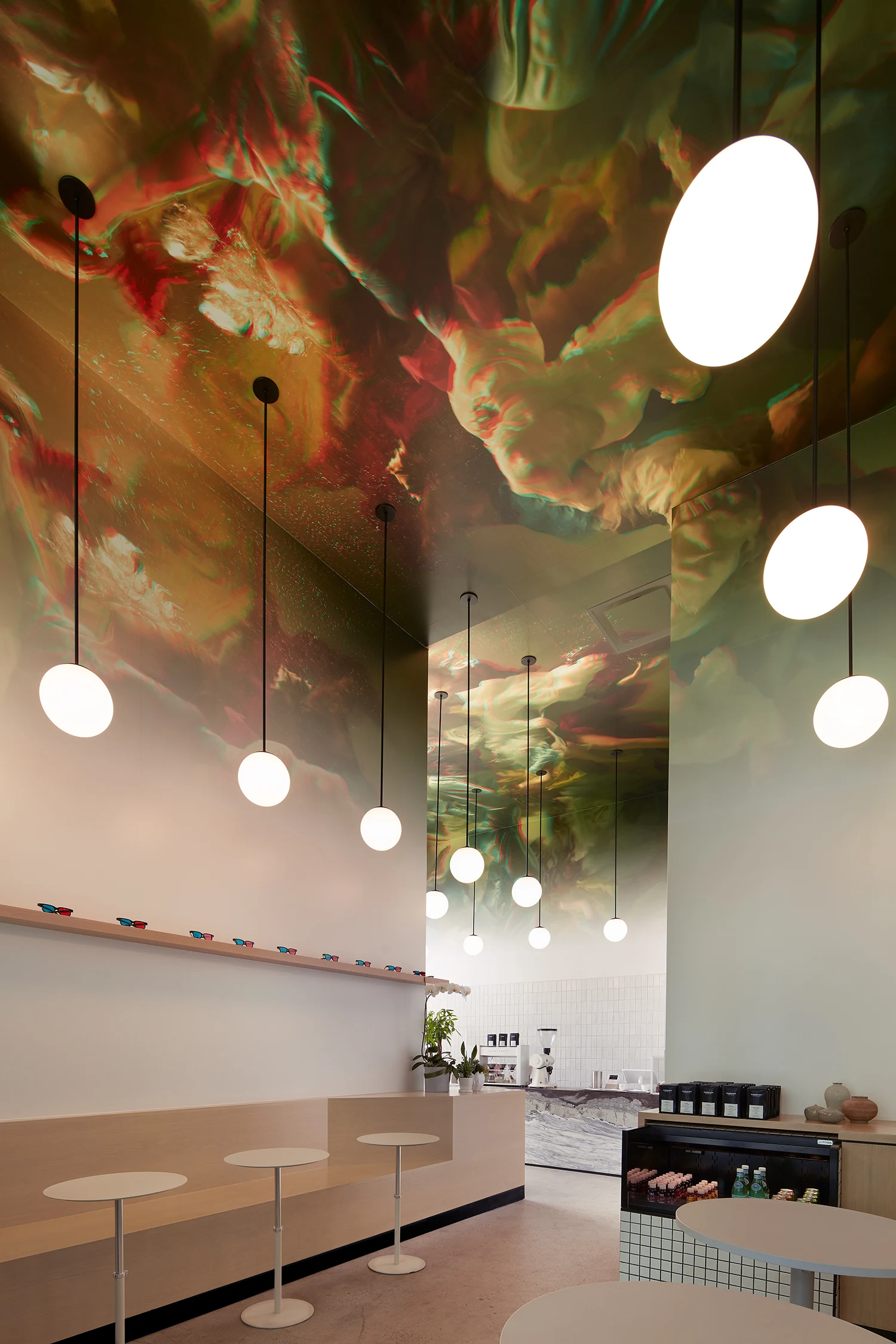
| Stereoscope Coffee | Café | Newport Beach |
| MoonGoat Coffee | Café | UCI Research Park |
| MoonGoat Coffee | Café | Laguna Beach |
| Gelato Paradiso | Café | Downtown Laguna Beach |
| Sidecar Doughnuts and Coffee | Bakery | Costa Mesa |