Why go
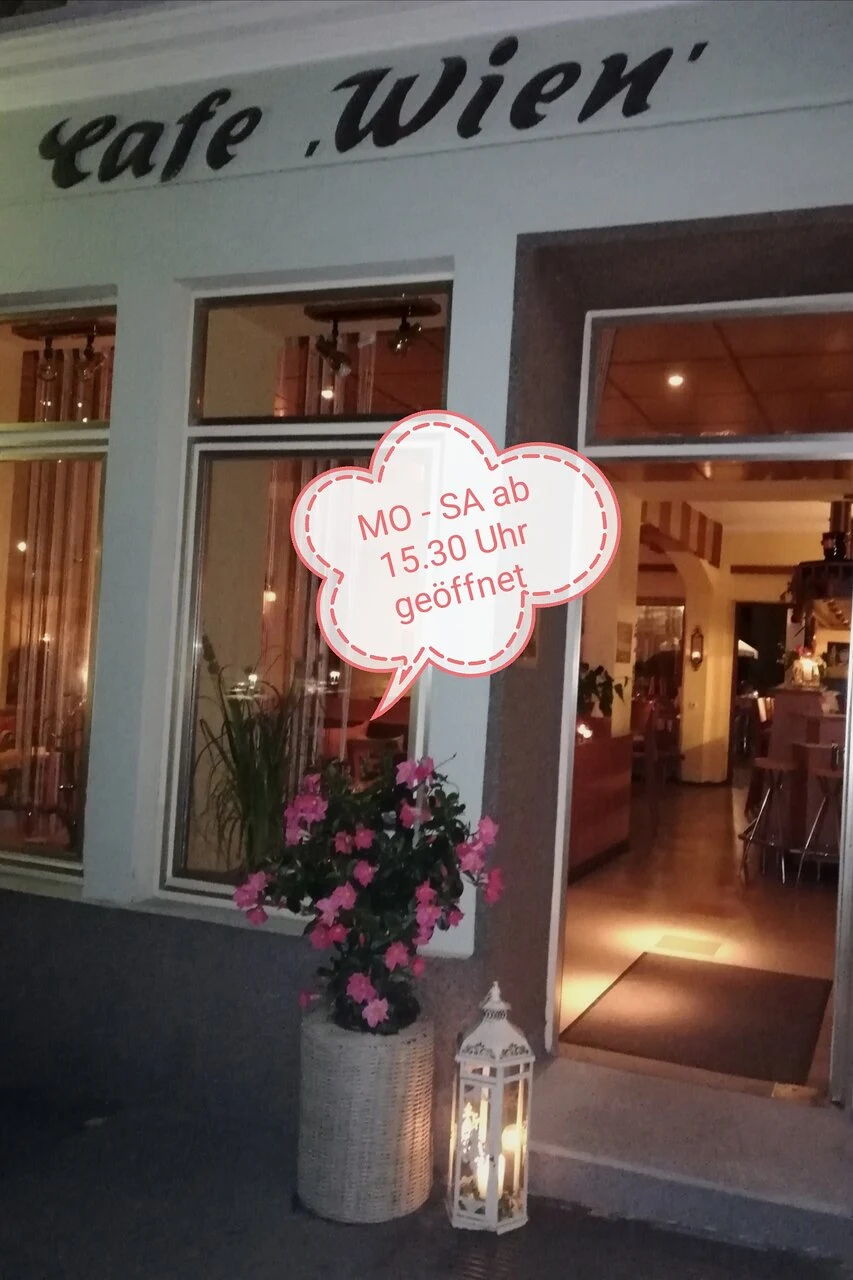
Approaching a café in the Austrian Alps is rarely only about coffee. The weather sets the terms first: low cloud over the valley, hard winter light on the ridges, or the sudden appetite that comes after a morning outside. Café Wien sits in that tradition of shelter and pace, where the Austrian coffeehouse model meets a mountain setting and the menu is expected to do more than provide a quick stop.
The useful way to read Café Wien is through sourcing and setting rather than ceremony. Alpine dining has two strong poles: the high-budget hotel table, where technique and cellar depth define the meal, and the pragmatic mountain room, where dairy, pastry, bread, cured meat and hot drinks carry the day. A café format in Tyrol borrows from both. It does not need the theatre of a dégustation to make sense; it needs ingredients that suit altitude, season and appetite.
Alpine café culture depends on dairy, pastry and timing
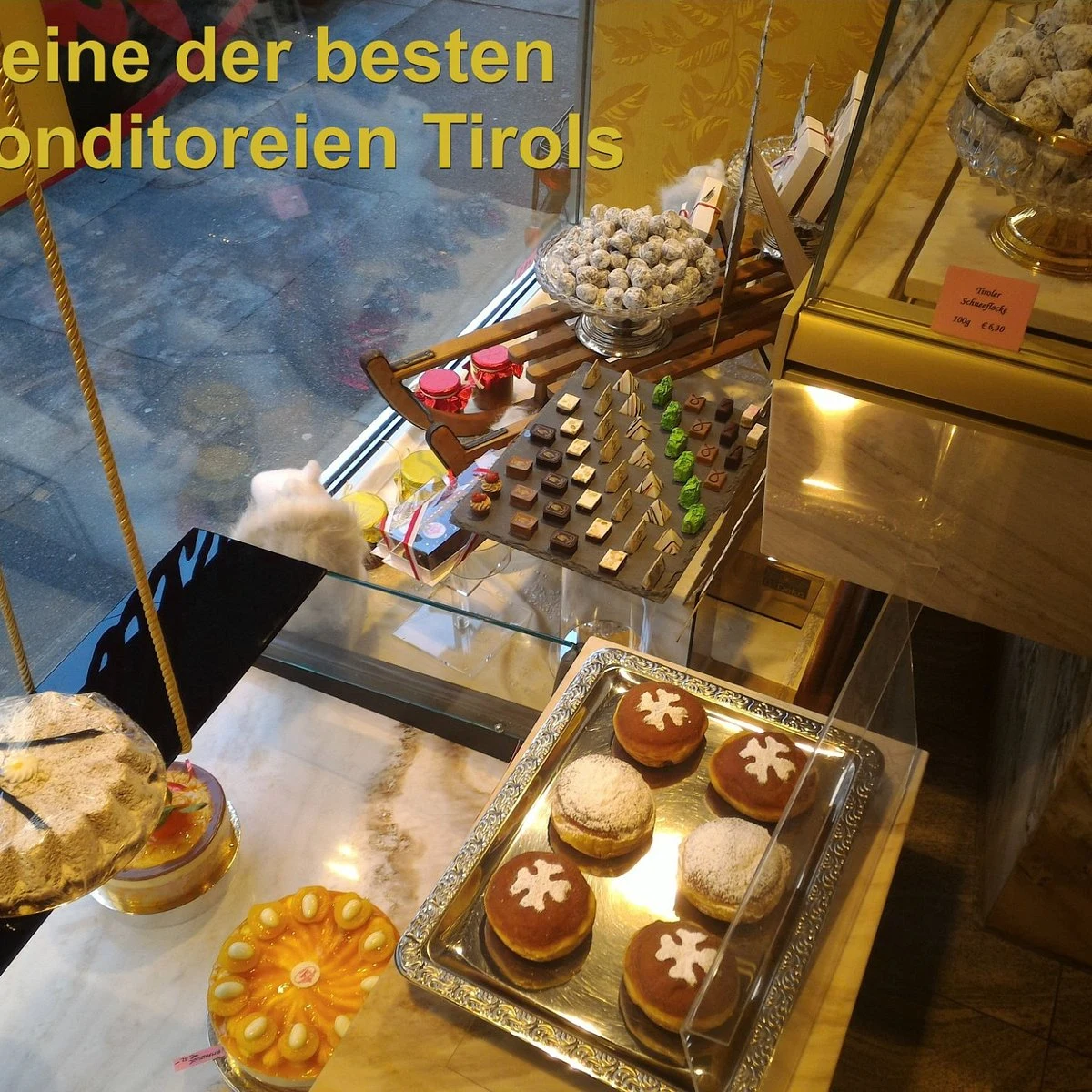
Austria’s café tradition is urban in origin, but it travels well into the mountains because it is built around repeatable rituals: coffee served slowly, cake as an afternoon anchor, and savoury plates that work before or after time outdoors. In this region, the logic of the table is often local by necessity. Butter, cream, curd, eggs and fruit preparations matter because they underpin the pastry case and the softer side of Alpine cooking. When those elements are treated plainly, the room feels rooted; when they are overworked, the format loses its point.
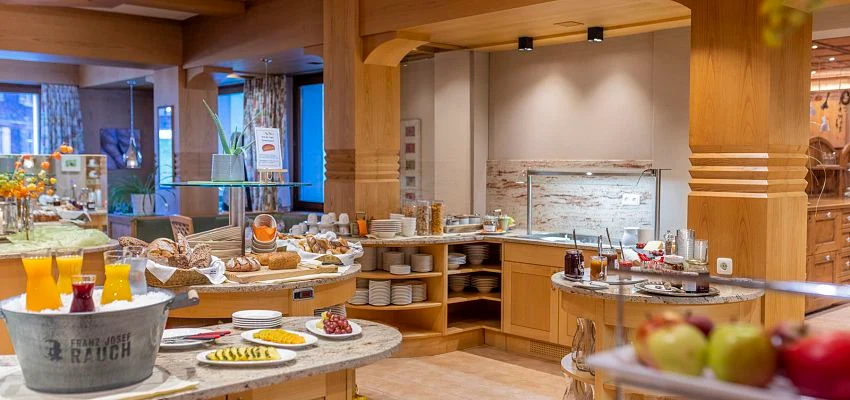
That is where Café Wien is better understood as part of a regional eating pattern than as a destination restaurant. The Austrian Alps reward places that recognise the rhythm of the day: late breakfast after a slow start, a warm drink between hotel and trail, cake when the afternoon weather turns, something more substantial when skiing, walking or driving has stretched longer than planned. This is not the same decision as booking a chef’s counter such as Interalpen - Chef's Table, where the creative format and €€€€ positioning belong to a different category of Alpine dining.
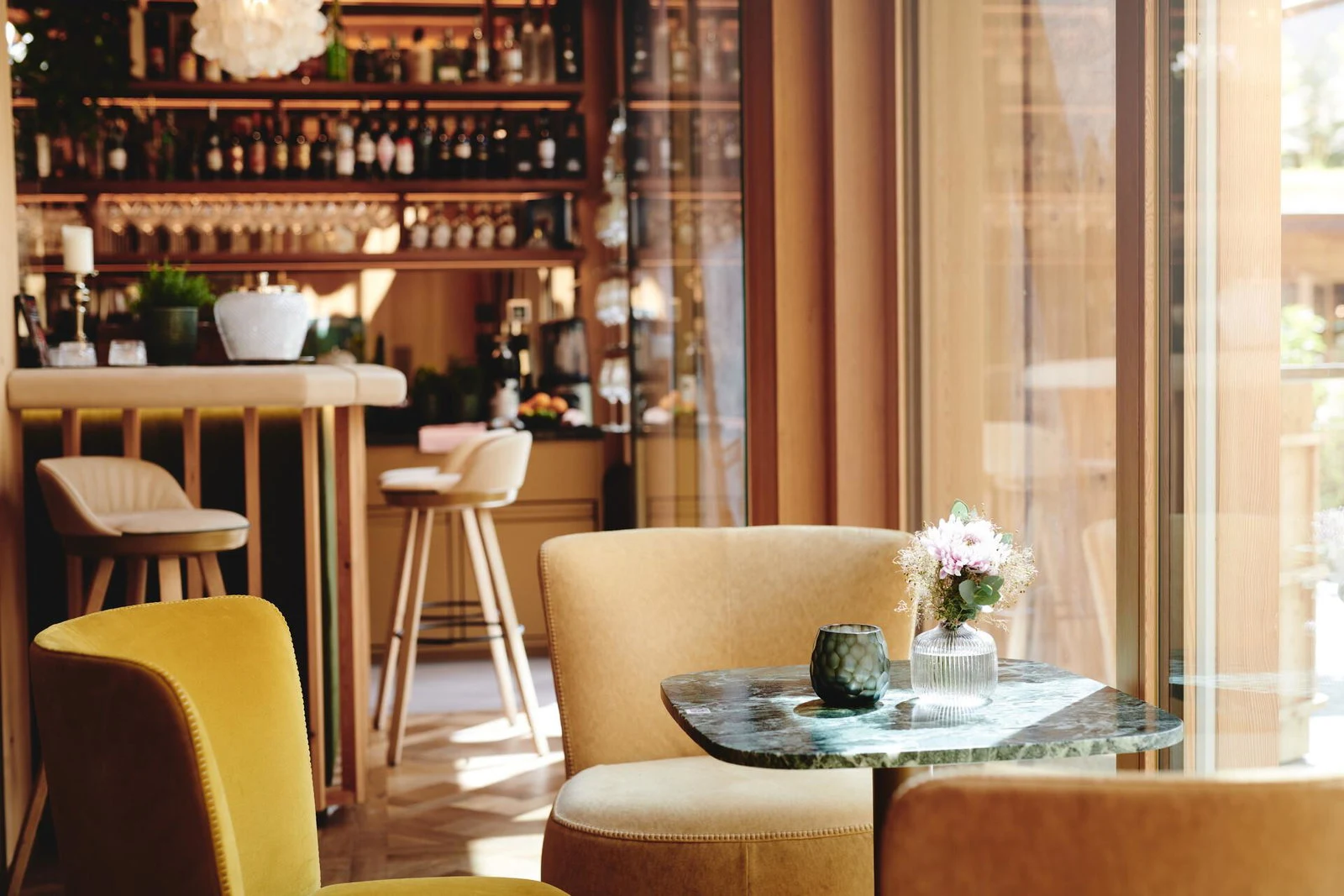
The comparison also clarifies the audience. Travellers using our full Austrian Alps restaurants guide will find the region ranges from formal hotel rooms to casual resort addresses. Café Wien belongs to the café-and-salon side of that spectrum, closer in spirit to the social function of Wintergarden & Adjoining Parlours than to a menu-led counter. Club Restaurant Hofburg gives another local reference point for how hotel-adjacent dining in the Alps often depends on setting as much as plate composition.
The appeal is the pause, not the performance
In Tyrol, a café can be a better travel decision than a formal meal when the day is fragmented by weather, transfers or outdoor plans. The format gives flexibility: coffee, cake, a light savoury order, a longer sit if the room invites it. Café Wien’s name signals the older Austrian model, but its Alpine location changes the stakes. In Vienna, the café is an institution of newspapers and conversation; in the mountains, it becomes a practical refuge between movement and rest.
That practical role matters for ingredient sourcing. Alpine menus are at their strongest when they respect nearby agricultural habits rather than chase imported luxury markers. Dairy richness, seasonal fruit, preserved elements and baked goods are not decorative references here; they are the grammar of the place. A café that understands that grammar gives travellers a clearer sense of Austria than a room trying to imitate a capital-city fine-dining template.
For broader planning, the surrounding category matters. Travellers pairing restaurants with stays should cross-check our full Austrian Alps hotels guide, while drink-led itineraries can use our full Austrian Alps bars guide. The region’s wine culture is less immediately visible than its dairy and pastry traditions, but our full Austrian Alps wineries guide helps frame that side of the trip, and our full Austrian Alps experiences guide is useful when meals are being built around skiing, spa days or scenic drives.
Where Café Wien fits in an Austria-wide itinerary
Café Wien makes the most sense as a Tyrolean pause within a wider Austrian food map. Austria’s dining identity is not one thing: the lakes lean into fish and inn cooking, Vienna into technical dining and wine lists, Salzburg into polished casual formats, and the Alps into hotel rooms, huts and cafés. For comparison across the country, see 's Paul Restaurant in Traunkirchen, [aend] in Vienna, 1er Beisl im Lexenhof in Nußdorf am Attersee, 1st Lobster in Kitzbühel, 2Stein in Krems, 7burger in Salzburg, À la carte restaurant Leni's in Going am Wilden Kaiser, AD VINUM in Sölden and Adelphia in Graz.
International detours such as Jōdo Saké Bar in Los Angeles and Onigiri Time in Pasadena underline the contrast: some addresses are defined by specialist import cultures, while Café Wien is defined by the durability of an Austrian format in a mountain context. The editorial case is simple: use it when the day calls for warmth, pastry, coffee and a slower Alpine interval rather than a formal reservation-led meal.