Why go
Bakery by day, yoshoku by night
The pastry case is the first thing the room asks you to deal with, and the ube croissant is the piece that made the name. Cafe Mochiko runs as an Asian American bakery and café in East Walnut Hills, Cincinnati, with Elaine Townsend opening the permanent room in October 2021 after years of building a following through pop-ups. The house line, bakery by day and yoshoku cafe fare by night, describes the day accurately: pastry and coffee early, then a compact savory menu of ramen, katsu sando, kare rice and a smashburger. The two halves are not separate businesses. Milk bread from the bakery is what the katsu sando is built on, which is the neatest illustration of how the kitchen uses its own baking.
Filipino and Japanese baking, made with local ingredients
The case runs to ube croissants, Filipino-inspired pastries, shokupan, sweet corn pastry, tea cookies, cookies and rolls, with local ingredients doing much of the work. It is a small counter rather than a broad patisserie, and it turns over often enough that the exact list changes week to week. The savory side stays short for the same reason: a rotating ramen, the katsu sando, kare rice and the smashburger, all in the yoshoku register of Japanese takes on Western food. In 2024 The New York Times included Mochiko in its list of 22 best bakeries across the United States, which is the clearest outside marker of what the pastry side has become.
Start with the ube croissant, then read the room
Order the ube croissant first. It is the anchor, and the rest of the case makes more sense next to it: shokupan, sweet corn pastry, a tea cookie, whatever cookies and rolls are out that day. For savory, the katsu sando on milk bread is the dish that connects both halves, with ramen the thing to take if the kitchen is running a version you have not had. The room is dark wooden floors and tables, pale pink walls, Japanese art, a colorful chalkboard for the daily special and oldies on the stereo, and the staff will walk you through the small and large plates. It gets busy, the menu is short, and later arrivals find fewer options left, so the decision is usually quick.
Frequently asked questions
What should I order at Cafe Mochiko?
The ube croissant first, since it is the pastry the bakery is known for. After that, shokupan, sweet corn pastry and the tea cookies show the rest of the case, and on the savory side the katsu sando on house milk bread is the dish that links the bakery and the kitchen.
What does bakery by day, yoshoku by night mean?
It means the counter changes character across the day. Early on it works as a bakery and coffee shop built on Filipino and Japanese pastry, and later it serves yoshoku, the Japanese take on Western food, through a short menu of ramen, katsu sando, kare rice and a smashburger.
Compare nearby places
| Venue | Type | Area |
|---|---|---|
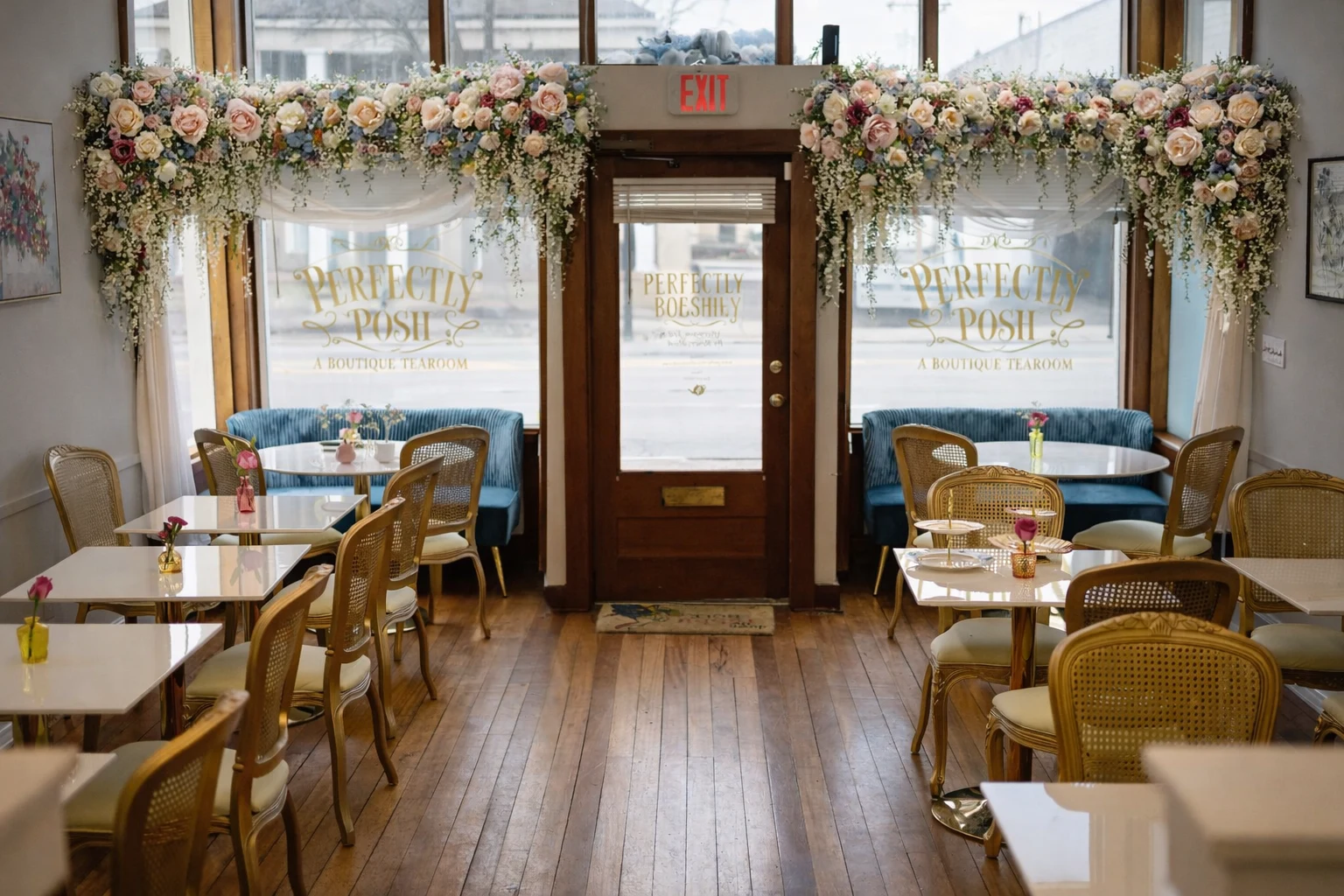
| Perfectly Posh A Boutique Tearoom | Café | Franklinton arts district |
| Rohr Cafe | Café | — |
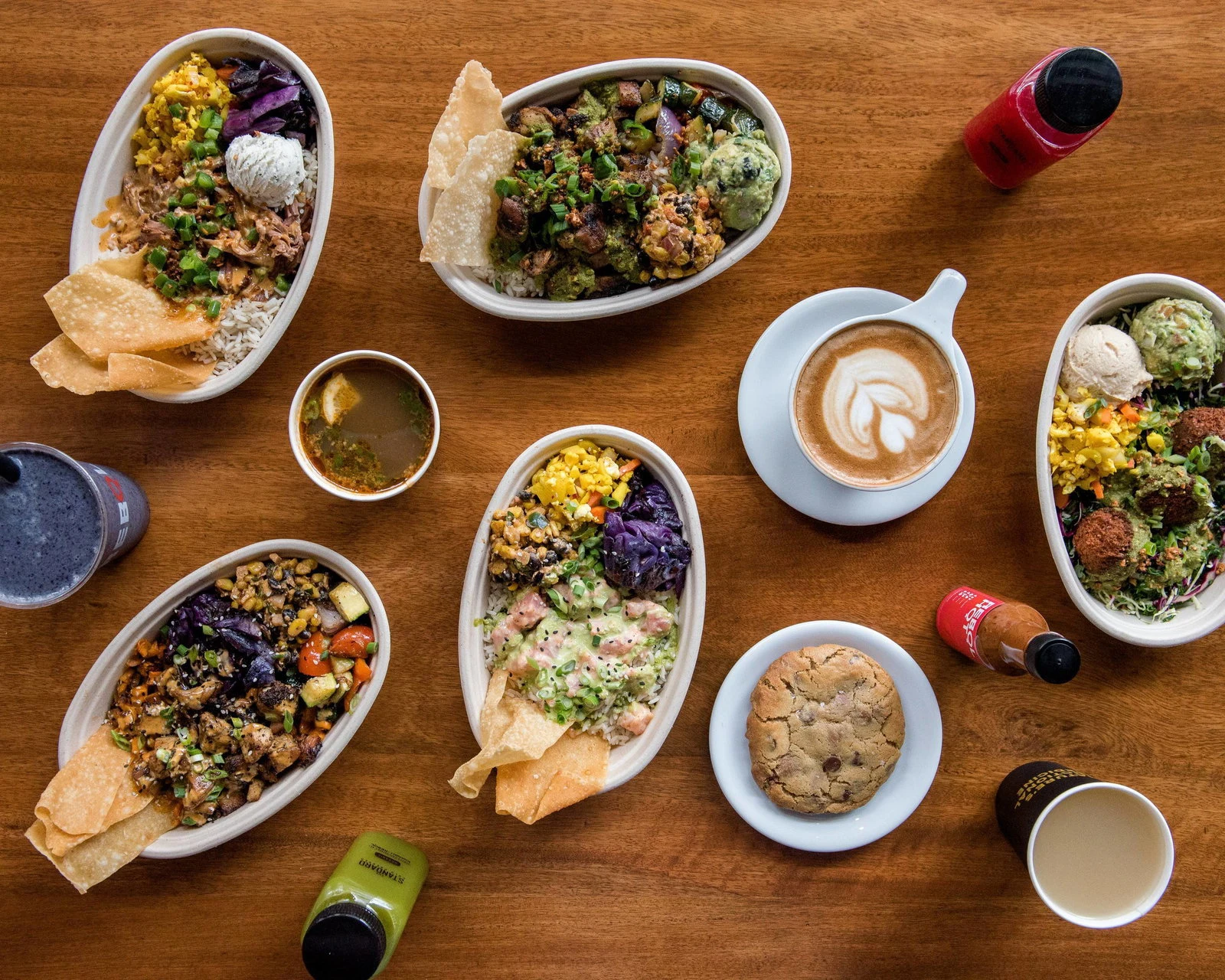
| Rebol | Café | Bridge Park |
| Northstar Café at Easton Town Center | Bakery | Easton Town Center |
| Xanadu Coffee & Creamery | Café | West Baden Springs Hotel |