Why go
A 24-hour coffee house named after coffee country
Mercara is the old name for Madikeri, the hill town at the centre of Coorg, where a great deal of Indian coffee is grown, and the café takes its name from there. Café Mercara Express runs around the clock on the lobby level of ITC Grand Chola, which makes it the default room in the hotel for a cup of coffee at any hour and for meals that fall outside normal service times. A round-the-clock licence changes what a coffee house is for: it becomes the room for jet-lagged arrivals, late meetings and the meal that falls between services. The signature coffee selections are the reason to read it as a coffee house rather than simply a hotel restaurant.
All-day food, from idiyappam to muesli
The menu is deliberately broad, covering regional South Indian cooking alongside global all-day dishes. Idiyappam and Malabar parotta are the two regional orders to know: the first a nest of steamed rice noodles eaten across Tamil Nadu and Kerala, the second the flaky layered flatbread of the same coast, and both everyday food rather than dishes staged for visitors. The Indian summer fruit muesli is the lighter breakfast, and during Ramadan the kitchen adds an Iftar haleem. ITC Grand Chola runs twelve food and beverage outlets to a stated preference for local and seasonal ingredients, and the café draws on the same kitchens and the same supply.
The room, and how people use it
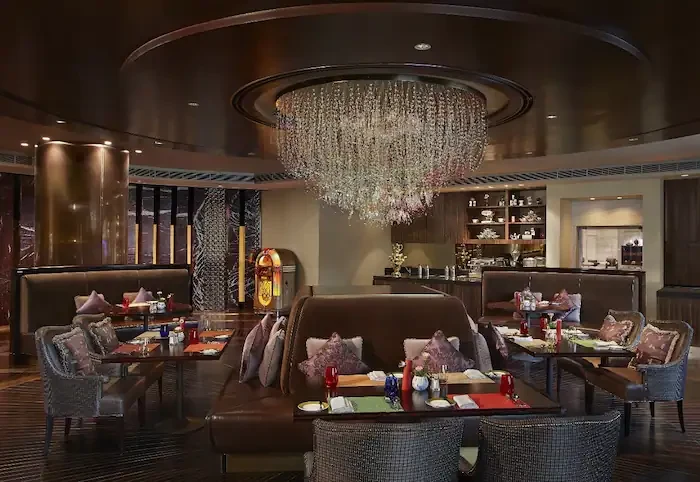
The setting is a lobby-level room, elegant but compact, with comfortable seating and a quieter feel than the scale of the hotel around it would suggest. That makes it useful for three kinds of visit at once: guests coming down for coffee, meetings that need a table rather than a boardroom, and Chennai residents using the hotel as neutral ground. The building itself is designed as a reference to the Imperial Cholas, with carved exteriors, Dravidian pillars and stone-carving work by Tamil Nadu craftsmen, so even a short coffee comes with the architecture attached. Twelve outlets in one property also means the café is not trying to be everything: it is the everyday room, and the specialised restaurants sit elsewhere in the building. For a first visit, order from the coffee list and pick one regional dish rather than trying to read the whole menu.
Tags
Frequently asked questions
What should I order at Café Mercara Express?
Start with the signature coffee selections, which are what the café is named for and built around. On the food side, idiyappam and Malabar parotta are the regional dishes to know, the Indian summer fruit muesli is the lighter breakfast, and an Iftar haleem appears during Ramadan.
Is it only for hotel guests?
No. It sits on the lobby level of ITC Grand Chola and works as a general Chennai coffee house as much as a hotel restaurant, used for meetings and casual meals as well as by guests. The room is compact and quiet compared with the scale of the property around it.
Compare nearby places
| Venue | Type | Area |
|---|---|---|
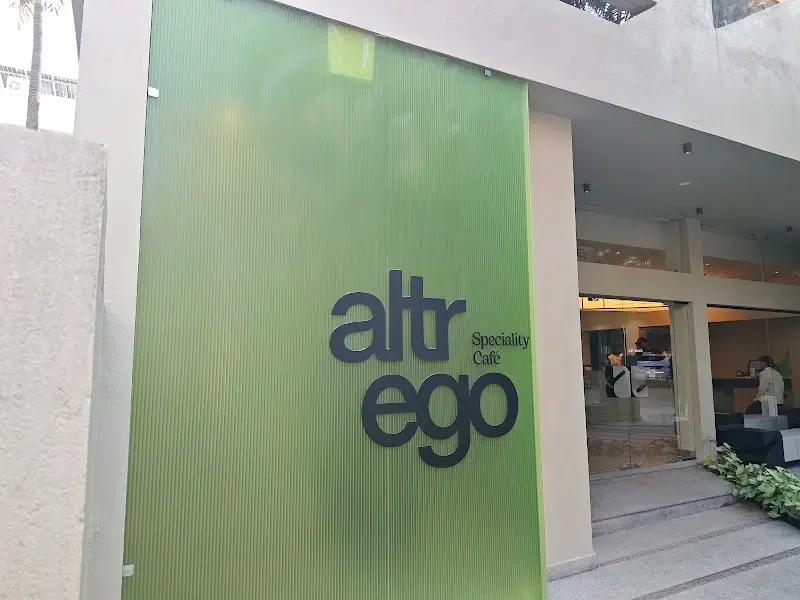
| Altr Ego | Café | Banjara Hills |
| Kuckeliku Breakfast House- all day cafe | Café | Colaba |
| The Cacao Mill by Subko | Café | Colaba |
| Suzette | Café | Nariman Point |
| The Oberoi Patisserie | Bakery | Nariman Point |