San Telmo

Café Anselmo

CafeSpecialty Coffee Shop
Café Anselmo

Why go

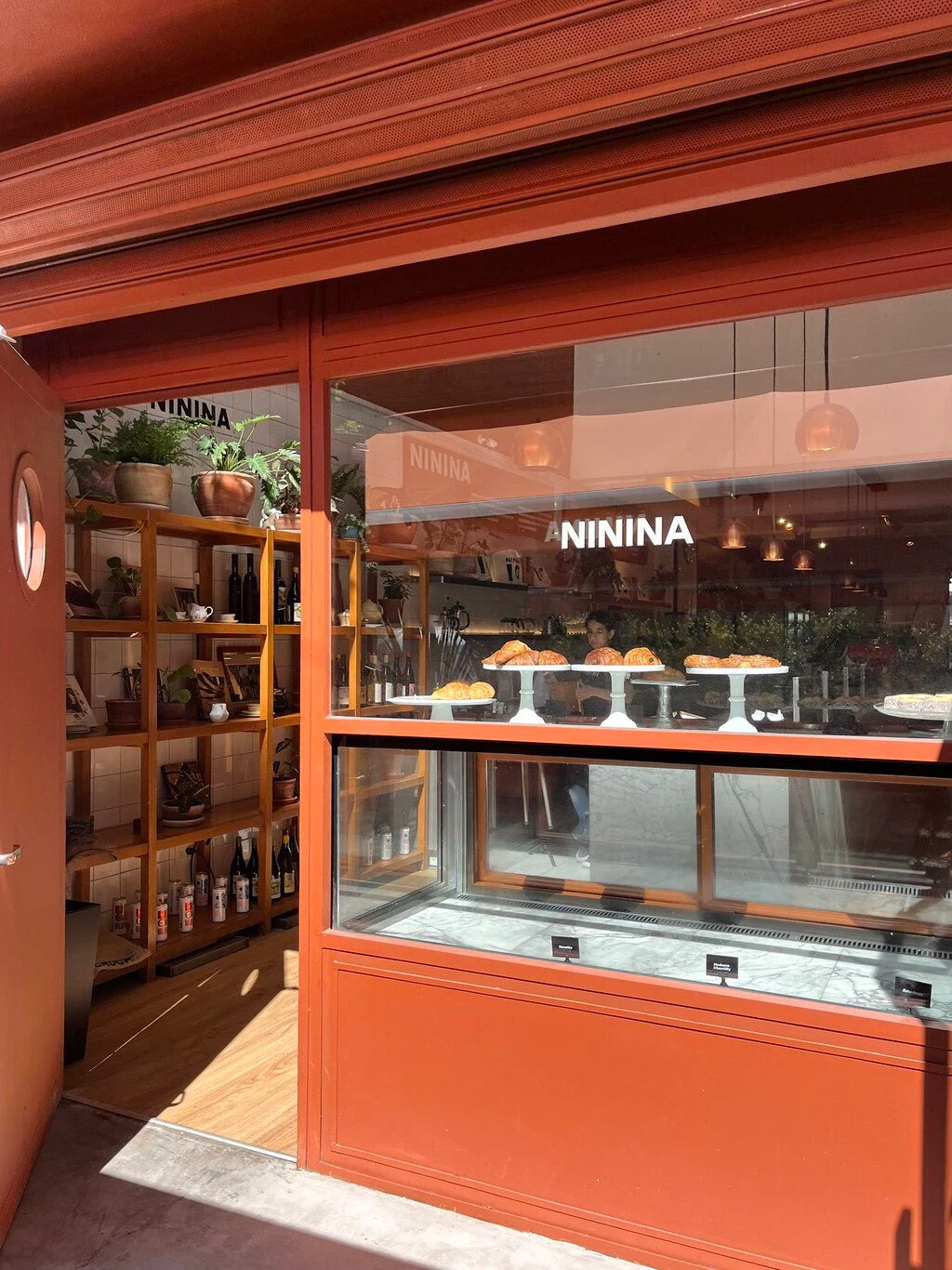
Approaching Café Anselmo means entering the theatrical part of La Boca, where painted sheet-metal facades, tango signage, football traffic, and tour groups press against the older port-neighbourhood rhythm. Buenos Aires has cafés in every register: grand literary rooms in San Nicolás, corner bars built around cortado and soda siphons, Palermo brunch rooms, and La Boca addresses that carry the city’s immigrant and working-class memory more visibly than its polished dining districts. This one belongs to that last category.

The point here is not the trophy logic that now shapes parts of Buenos Aires dining. The city’s contemporary restaurant conversation has moved fast, with compact tasting rooms, chef-led Argentine menus, and wine-country crossovers competing for attention. Café Anselmo sits outside that lane. It reads better as a stop inside La Boca’s cultural circuit, where the café is part of the neighbourhood grammar: a place to pause between street art, tango performance, Caminito’s colour, and the heavier parrilla tradition nearby.

La Boca café culture, not Buenos Aires tasting-menu theatre

La Boca’s food identity is often flattened into steak, pizza, and tourist spectacle, but the neighbourhood is more interesting when read through migration and labour. Italian influence helped shape Buenos Aires’ café habits as much as its pizzerias; the port brought Genoese roots, painted houses, and a public culture that sits outdoors when the weather allows. A café in this part of the city is less about elaborate technique than about tempo. Coffee, simple plates, and the right table can function as a reset between busier stops.

That distinction matters because Buenos Aires now asks travellers to choose between several dining versions of Argentina. For fire-driven regional cooking, the centre of gravity often points west to Mendoza, where 1884 Francis Mallmann in Mendoza, Agrelo in Luján de Cuyo, Angélica Cocina Maestra in Agrelo, and Assemblage Maison Alta Vista in Chacras De Coria connect restaurants to vineyard travel. Patagonia frames the grill differently, as at Alto el Fuego - Estación de Tren in Bariloche. Iguazú pulls the conversation toward lodge-based, regional experience dining through Awasi Iguazu in Puerto Iguazu. Against those formats, a La Boca café gives a smaller but useful reading of Argentine food culture: daily, urban, informal, and tied to street life.

How to place it within a Buenos Aires eating day

Café Anselmo makes the clearest sense as part of a La Boca and San Telmo route rather than as the anchor of a full dining itinerary. In this city, that is a legitimate role. Buenos Aires rewards pacing: parrilla at one meal, café at another, vermouth or cocktails later, and a contemporary Argentine table when the evening calls for more structure. Nearby comparison is useful. La Brigada represents the steakhouse lane, La Zarpada the pizzeria lane, Desnivel the unfussy local-restaurant lane, La Poesía the old-café and literary-bar lane, and Trashumante by El Baqueano the more contemporary Argentine conversation. Café Anselmo belongs closest to the café-and-neighbourhood end of that spectrum.

For travellers building a wider city map, the restaurant scene has enough range to avoid repeating the same mood twice. Contemporary Buenos Aires can mean 4ta Pared (Contemporary), A Fuego Fuerte (Contemporary), Ajo Negro - Mar de Tapas (Modern Cuisine), Alcahuete (Contemporary Argentine), or Alcanfor (Contemporary). Café Anselmo is a different decision: choose it when the day is about La Boca’s public culture, not when the brief is a chef-led dinner or a wine-pairing room.

That is also the honest way to judge it. Buenos Aires’ serious dining press often follows awards, chef names, wine depth, and reservation pressure; none of those signals define this address. Its value is contextual. La Boca can feel over-performed around its tourist spine, and a café stop helps slow the experience into something more legible. The neighbourhood’s colour is not merely decorative. It comes from port labour, immigration, club football, tango commerce, and a long habit of turning street frontage into social space.

Use it as a neighbourhood pause, then widen the itinerary

The stronger Buenos Aires itinerary does not force every stop to carry the same weight. A café near La Boca’s painted corridor can hold the daylight portion of a day, while dinner moves elsewhere. San Telmo and La Boca pair naturally for visitors interested in older urban texture; Palermo and Recoleta pull toward later dining, bars, and hotels. For broader planning, our full Buenos Aires restaurants guide is the practical place to compare formats, while our full Buenos Aires hotels guide, our full Buenos Aires bars guide, our full Buenos Aires wineries guide, and our full Buenos Aires experiences guide help place the café inside a wider trip rather than treating it as a standalone destination.

The broader lesson is portable. In cities with strong café cultures, not every worthwhile address announces itself through awards or a formal menu structure. Buenos Aires is especially good at this category because café life is woven into how residents use time: breakfast meetings, late-afternoon coffee, quick conversations, and pauses between errands. Café Anselmo is useful precisely because it keeps the traveller close to that rhythm while sitting in one of the city’s most visually charged neighbourhoods.

International comparisons can sharpen the point. Los Angeles venues such as Jōdo Saké Bar in Los Angeles or Onigiri Time in Pasadena are built around specific imported formats and category clarity. Café Anselmo works differently. It is not about importing a defined culinary template; it is about reading Buenos Aires through the everyday café as civic habit. In La Boca, that habit carries enough cultural weight to justify the stop.

Tags

ModernTrendyBohemianSophisticatedHistoricCasual HangoutBusiness DinnerGroup DiningBrunchHotel RestaurantDesign DestinationHistoric Building