Why go
The Hokkaido custard flan is the signature, and it is made nowhere else. Butterfly Patisserie is Rosewood Hong Kong’s pastry counter, a boutique of cakes, flans, chocolates and celebration formats produced fresh each day by the hotel’s pastry team.
Cakes, flans and a daily patisserie rhythm
Everything is built around daily production rather than shelf life. Cakes and pastries are handcrafted each day by the patisserie’s own chefs, and the range is arranged the way a pastry boutique is: individual pastries, whole cakes, chocolates and sweets, then hampers and tea sets for gifting. The technique is European and the presentation is hotel-polished, with layered textures running from millefeuille and flans through to chocolate cigars. The Hokkaido custard flan sits at the centre of that, available only at Rosewood Hong Kong, which makes it a house signature rather than another custard tart in a city full of them.
Built for both indulgence and occasion
The selection spans a single pastry eaten standing up, a whole cake for a table, and formal gifts sent across town. Birthdays, anniversaries, festive moments and corporate hampers are all part of the ordinary business here, and several cakes come in more than one size for exactly that reason. Specific products give the range its shape. The Hazelnut Latte Cake appears in standard and small formats; the Salted Caramel & Vanilla Millefeuille carries the laminated, layered side; the Hokkaido Flan Set pairs coffee and chocolate flans; and the Assorted Chocolate Cigar moves into confectionery. The Chocolate Hazelnut Flan and the White Tea Lychee & Guava Cake show the house preference for clear pairings: chocolate and nut, tea and tropical fruit, caramel and vanilla, coffee and custard.
Start with the Hokkaido custard flan
Start with the flan, because it is the signature here and the item least likely to be found anywhere else. For a richer route through the same format, the Chocolate Hazelnut Flan keeps the custard structure and turns it toward cocoa and nuts. After that, order by texture and occasion: the Salted Caramel & Vanilla Millefeuille for crisp pastry and cream, the Hazelnut Latte Cake for coffee and hazelnut, the White Tea Lychee & Guava Cake for the fruit-led choice. For gifting, the range extends past cakes into chocolates, cookies and biscuits, hampers and tea sets, which is how the patisserie works as Rosewood Hong Kong’s celebration counter as well as its dessert one.
Frequently asked questions
What is Butterfly Patisserie HK known for?
The Hokkaido custard flan is the signature, made only at Rosewood Hong Kong. Around it sits a daily-made range of cakes and pastries including the Salted Caramel & Vanilla Millefeuille, the Hazelnut Latte Cake, the Chocolate Hazelnut Flan and the White Tea Lychee & Guava Cake, plus chocolates, hampers and tea sets.
Does Butterfly Patisserie make cakes for occasions?
Yes. Alongside individual pastries the boutique produces whole cakes in more than one size, chocolates, cookies and biscuits, hampers and tea sets, aimed at birthdays, anniversaries, festive moments and corporate gifting. It functions as Rosewood Hong Kong's celebration counter as much as its dessert counter.
Compare nearby places
| Venue | Type | Area |
|---|---|---|
| Butterfly Patisserie | Bakery | Tsim Sha Tsui |
| Espresso Alchemy | Café | Tsim Sha Tsui |
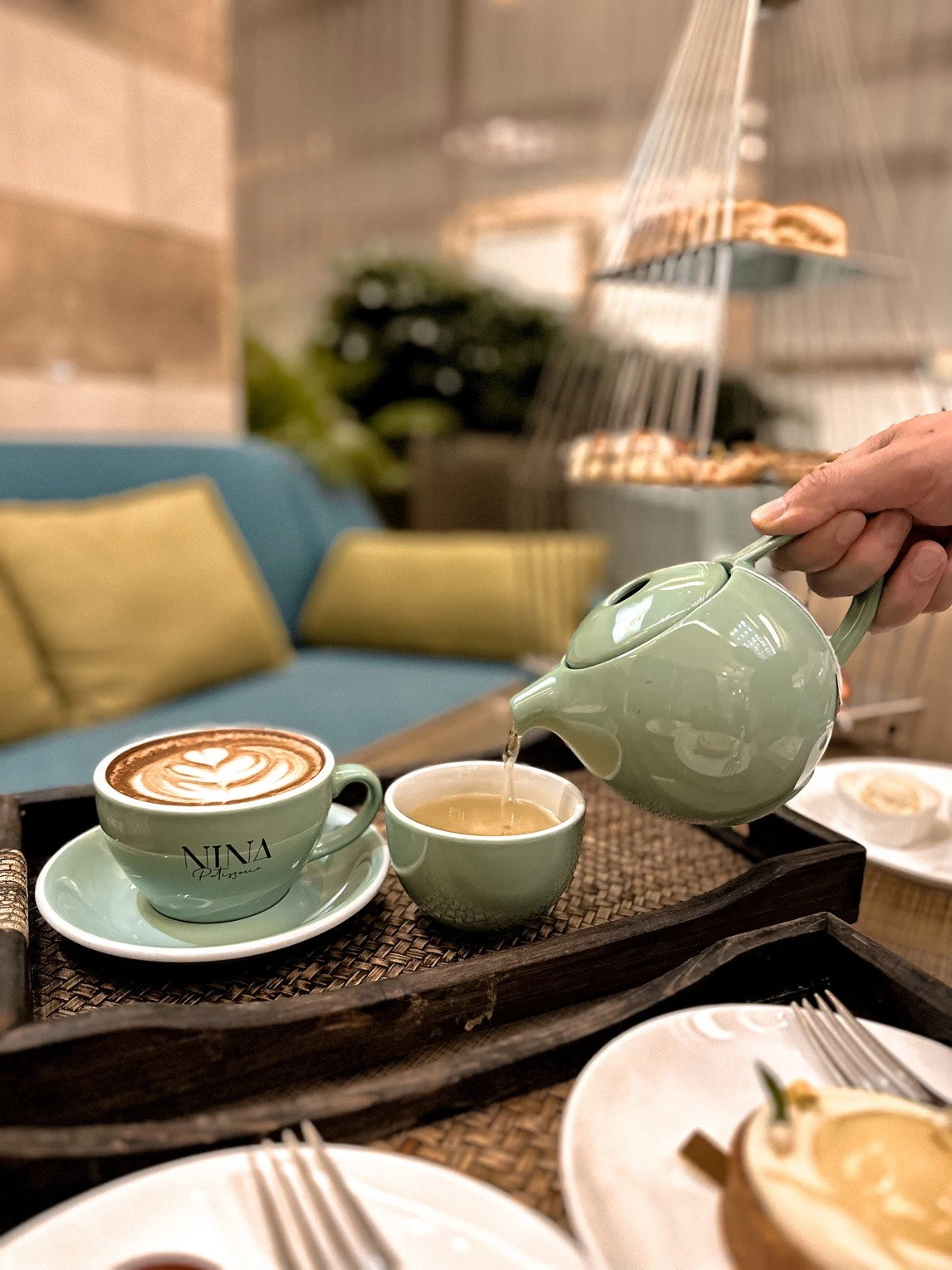
| Nina Patisserie | Bakery | Tsuen Wan |
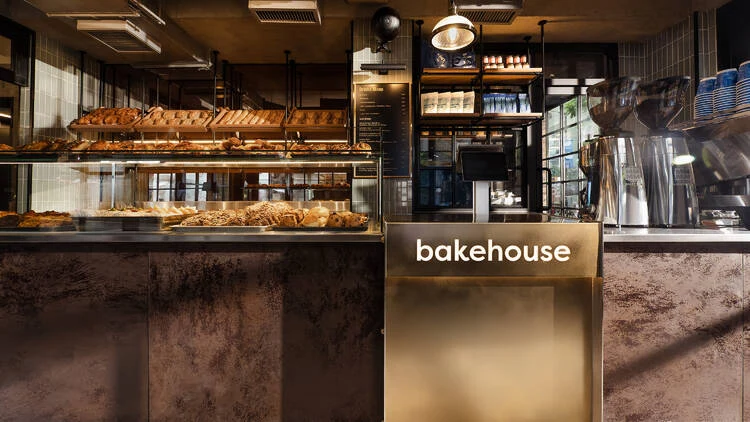
| Bakehouse | Bakery | Wan Chai |
| Blue Bottle Coffee | Café | Wan Chai / Starstreet Precinct |