Why go
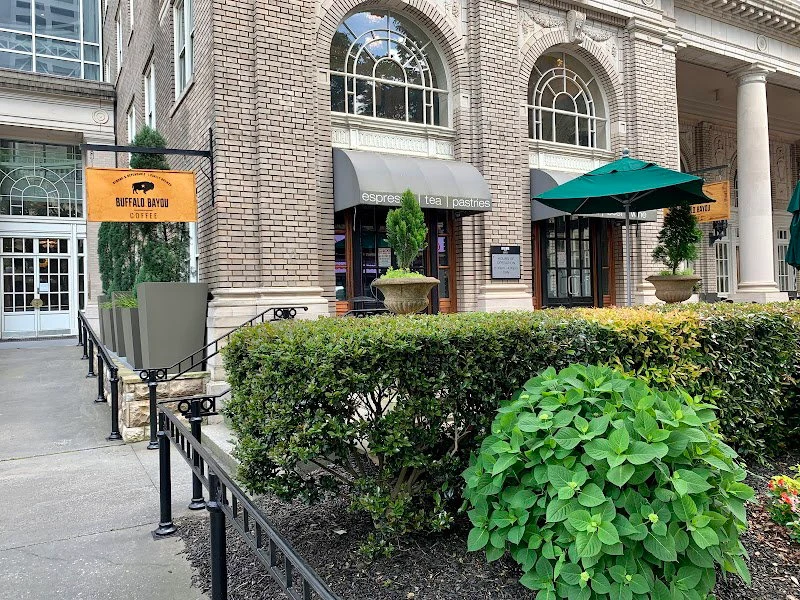
Approaching a Midtown coffee counter in Atlanta is rarely a quiet act. The neighborhood runs on crosswalk signals, hotel lobbies, rehearsal schedules, office badges, and students moving between classes and MARTA platforms. In that setting, Buffalo Bayou Coffee belongs to a practical urban tradition: caffeine as infrastructure. The point is not ceremony for its own sake. It is the pause between appointments, the laptop hour before dinner, the drink carried back onto Peachtree Street.
Atlanta’s coffee culture has grown alongside the city’s fragmented geography. Unlike older walking cities where cafés cluster around compact squares, Atlanta’s better daily-use coffee rooms often serve as anchors between car trips, rideshares, hotel corridors, and arts-district foot traffic. Midtown makes that function especially clear. The area has destination restaurants and polished hotel bars, but its coffee scene answers a different need: a place to reset without committing to a full meal or a long reservation cycle.
Midtown coffee as a working ritual, not a tasting-menu performance
The cultural weight of coffee in Atlanta is tied to work, study, and social pacing. Southern hospitality does not only appear at white-tablecloth lunch or over a long plate of fried chicken; it also shows up in the more ordinary exchange of a counter order, a seat held for a meeting, or a drink taken into the street. That is the frame in which Buffalo Bayou Coffee is easiest to understand. It is part of a city rhythm rather than a chef-driven restaurant narrative.
This distinction matters because Midtown can pull visitors toward more formal dining decisions. Nearby restaurant culture includes the dressed-up urban room, the pre-theater table, the rooftop drink, and the neighborhood bistro. Livingston Restaurant & Bar and 683 Midtown Bar and Bistro sit in that broader Midtown conversation, while 5Church Midtown reflects the district’s appetite for larger-format social dining. A coffee stop works differently: lower commitment, shorter dwell time, and less dependence on occasion.
Atlanta also has a parallel tradition of comfort dining and regional identity. Mary Mac’s Tea Room represents the city’s Southern dining memory; Lyla Lila brings Southern European cooking into the Midtown frame. Coffee does not compete with those categories. It fills the space around them, especially for travelers who structure a day around museums, meetings, campus visits, or dinner plans. For a wider map of the city’s dining range, Our full Atlanta restaurants guide is the more useful starting point.
How this stop fits Atlanta's broader food map
Buffalo Bayou Coffee is not presented with Michelin stars, a named chef, a tasting format, or a published price tier, so the editorial read should stay grounded: this is a neighborhood coffee address rather than a destination restaurant in the award-led sense. That does not make it minor. In a city where logistics shape taste, casual cafés often determine how a day actually works. A strong Atlanta itinerary may move from coffee to a museum, from a hotel lobby to a bar, then into dinner without treating every stop as the main event.
That planning logic is visible across EP Club’s Atlanta coverage. Our full Atlanta hotels guide helps place Midtown against Buckhead, Downtown, and other stay patterns. Our full Atlanta bars guide tracks the city after dark, while Our full Atlanta experiences guide is better for building the day around culture rather than meals alone. Wine-focused travelers can use Our full Atlanta wineries guide, though Atlanta’s strongest everyday beverage identity remains split between cocktail rooms, coffee counters, breweries, and restaurant wine lists.
For readers comparing casual, culturally specific formats across American cities, Atlanta’s coffee stop belongs in the same practical category as compact food addresses that carry local rhythm without the machinery of luxury dining. EP Club’s wider restaurant map includes 437 Memorial Dr SE a5, 9 Mile Station, and a mano in Atlanta, as well as casual-format references farther afield such as Jōdo Saké Bar in Los Angeles, Onigiri Time in Pasadena, ¿Por Qué No? in Portland, 'Ai Love Nalo in Waimanalo Beach, 'āina in San Francisco, 'Ama 'Ama in Kapolei, -Grilled beef Sukiyaki- KAMAKURA TANUKIAN 鎌倉 たぬき庵 in Kamakura, and ¡Salud! in Los Angeles. The common thread is not cuisine; it is the usefulness of small-format places in reading a city’s daily habits.
The practical read for Buffalo Bayou Coffee
Use Buffalo Bayou Coffee as a Midtown utility stop rather than a trophy booking. The location suits a traveler already moving through Peachtree Street’s hotel, office, arts, or campus corridor. With no formal award signal, chef attribution, or published tasting structure attached, judgment should rest on fit: whether the day calls for coffee, a short pause, and a flexible meeting point in central Atlanta. In a city where distance and timing often shape the meal as much as appetite, that function has real value.