Why go
Croissants come out of the oven first, and the rest of the morning follows from there: fruit tarts, coffee, and a case put together by the resident chefs at Bruma Wine Resort in Valle de Guadalupe, in the Ensenada district of Baja California. Bruma Bakery is the pastry arm of a wine-country property that also runs Fauna, Bruma Wine Garden and Pepe El Toro, and it takes the earliest shift of the day.
Laminated pastry and fruit tarts
The case is small and French-leaning. Croissants anchor it, which puts the kitchen's attention on lamination: cold butter, slow proofing, and a crumb that pulls apart in sheets. Fruit tarts run the other direction, shell and fruit rather than dough and butter, and give the counter a second register to work in. Coffee is not an afterthought bolted onto a bakery here; it is poured with the pastries as part of the same first hour. What you will not find is a long menu. Pastry, tart and coffee is the whole architecture, and the chefs treat it as a daily ritual rather than a retail operation.
A bakery inside a wine-country resort
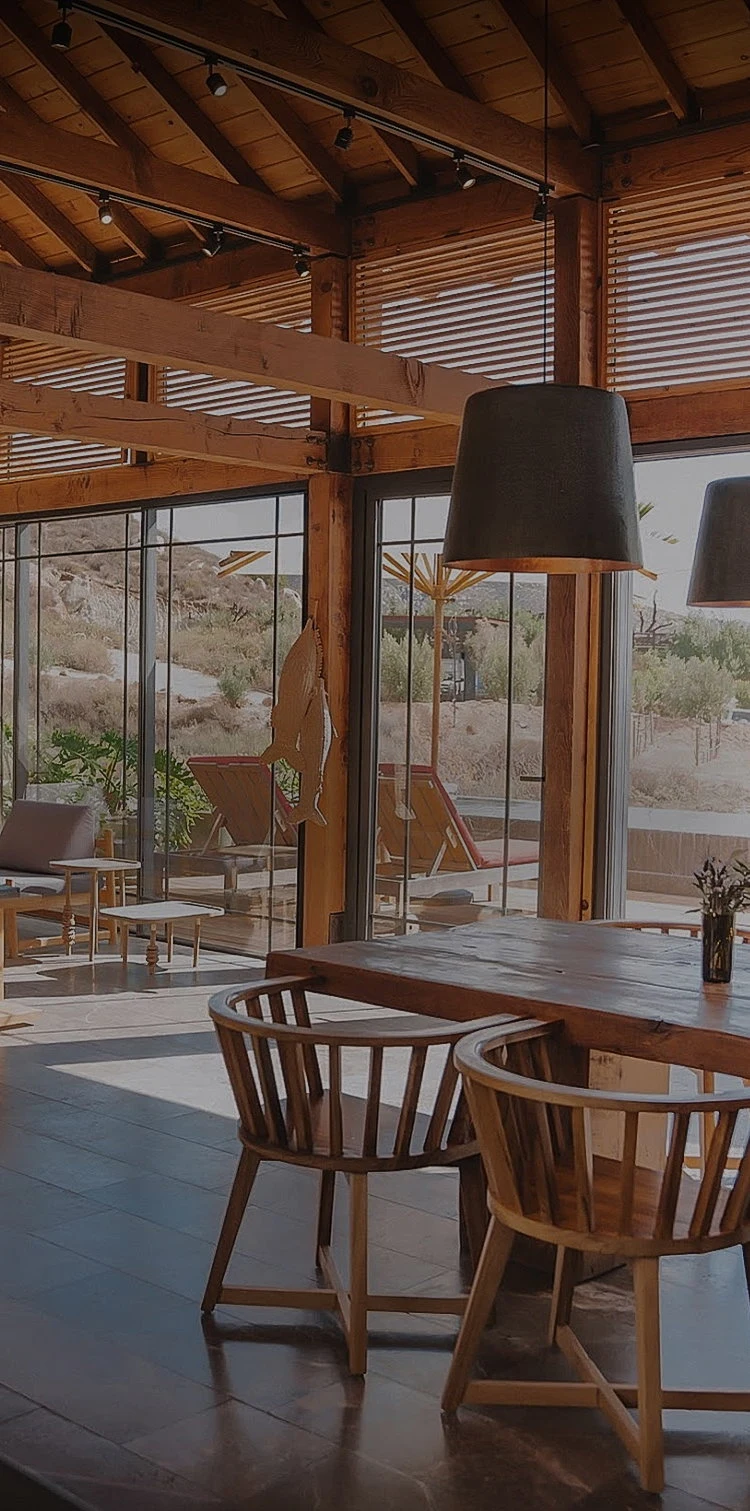
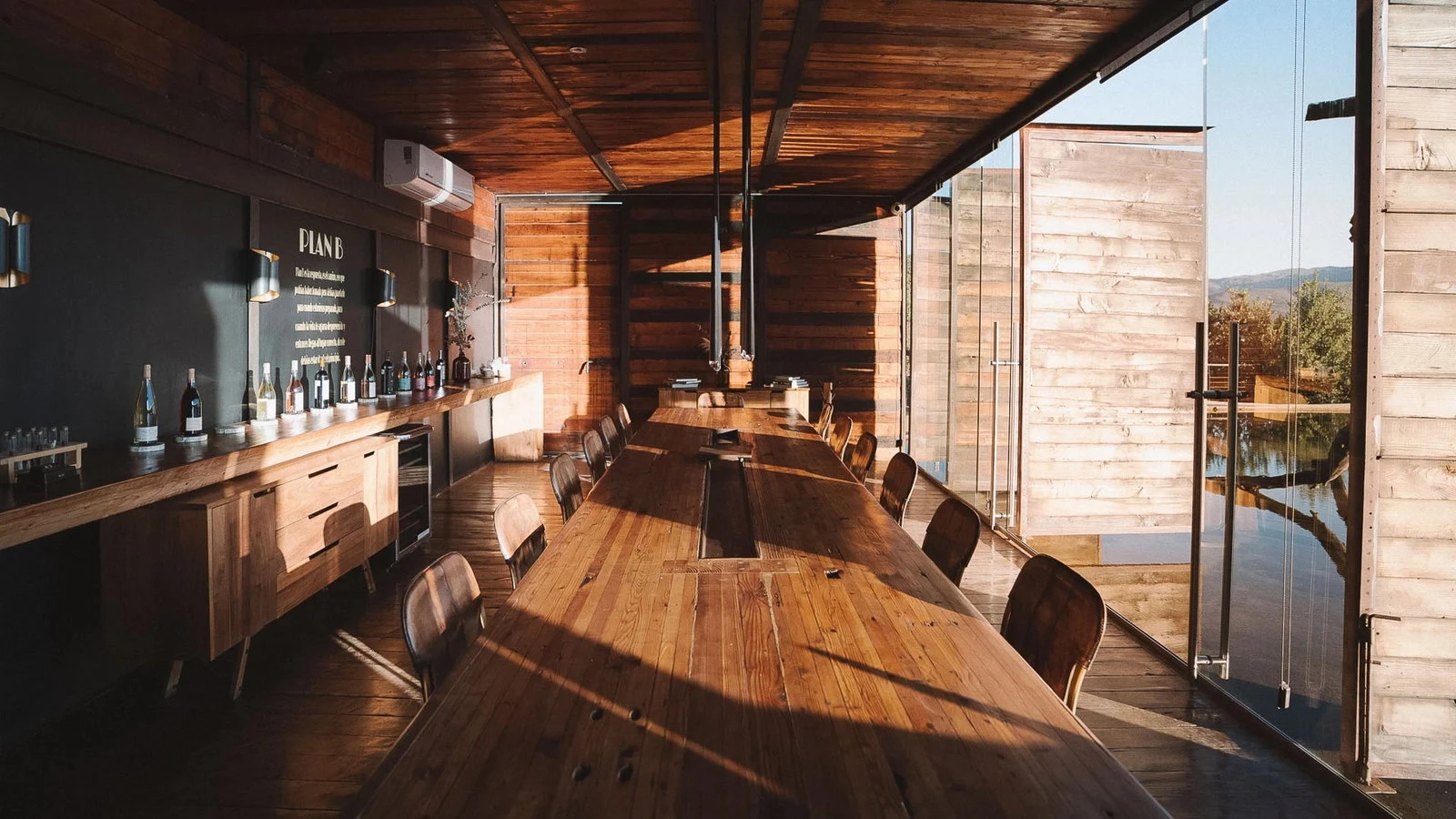
Setting does a lot of the work. Bruma spreads across vineyards, oak groves and hillside rooms, and each of its venues takes a different part of the day: Fauna handles the restaurant hours, Bruma Wine Garden pairs pizza with wine, Pepe El Toro leans toward cocktails and small plates. The bakery holds the start-of-day position, which is why the room reads calm rather than busy. Service is over the counter, the mood is unhurried, and the surroundings, art and trees and quiet, are part of the reason people stay for a second coffee.
Start with the croissant, then the tart
Order the croissant first. It is the item the bakery is built around and the fairest test of the lamination. Follow it with a fruit tart, which covers the other half of the case and shifts from butter to fruit and pastry cream. Add coffee to both, since it is served with the pastries rather than after them. If the day continues on the property, the bakery is the opening note rather than the destination: the wine and the longer meals sit at the other venues, and this counter is where the morning starts.
Frequently asked questions
What should you order at Bruma Bakery?
Start with the croissant, the item the bakery builds its morning around and the clearest read on the kitchen's lamination. Follow it with a fruit tart, which shifts the case from butter and dough to shell and fruit, and take coffee alongside rather than after, since the chefs serve the two together.
Compare nearby places
| Venue | Type | Area |
|---|---|---|
| Bruma Bakery | Bakery | Francisco Zarco |
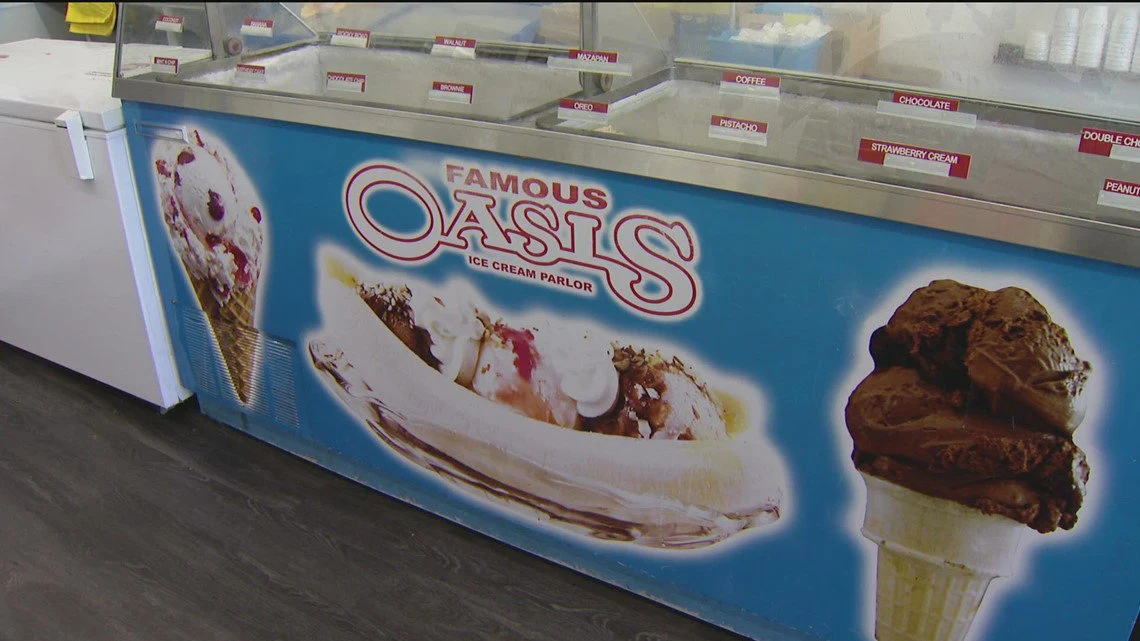
| Oasis Ice Cream Parlor | Café | South San Diego |
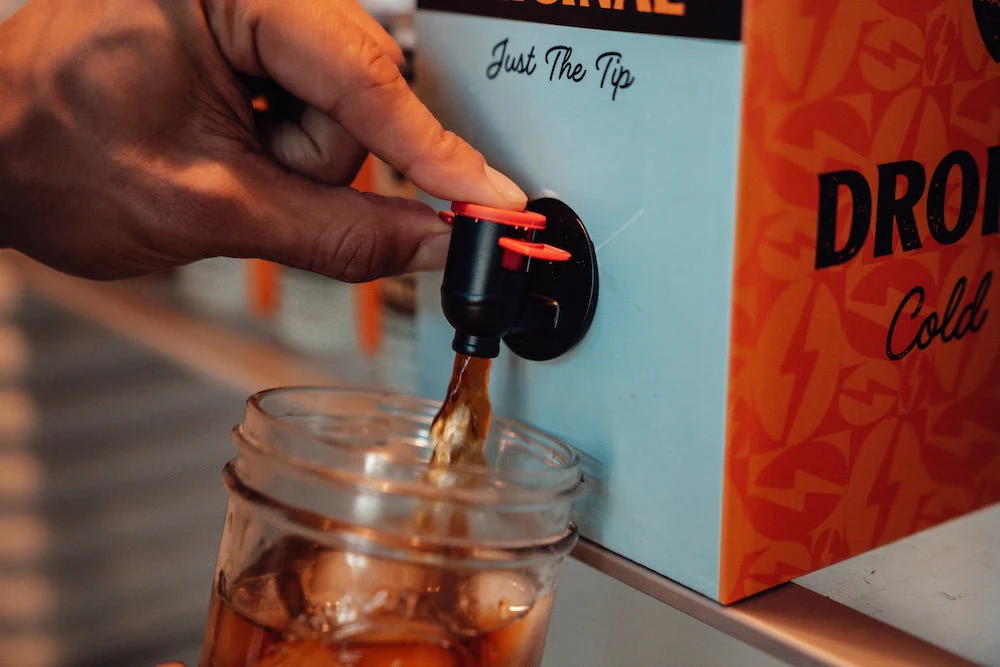
| DropKick Brew | Café | City Heights |
| Sundaes Ice Cream & Gelateria | Café | Coronado |
| MooTime Creamery | Café | Coronado |