Why go
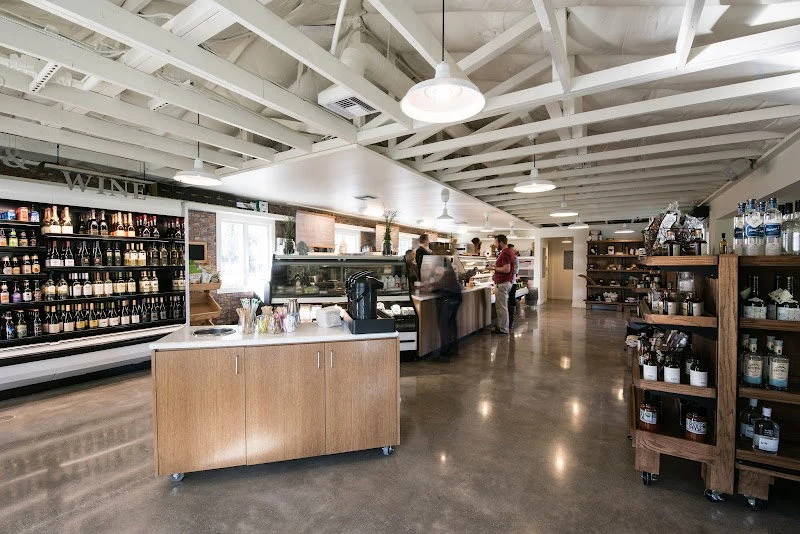
The Yountville morning has its own sound: espresso machines warming up, paper bags folding over pastry, tasting-room staff crossing Washington Street before the wine buses arrive. In a town built around reservation dining, the bakery counter plays a different role. It is less ceremonial, more democratic, and often more useful: coffee before a vineyard appointment, bread for later, something sweet eaten outside before the day turns structured.
Bouchon Bakery fits that daily cadence because French baking makes unusual sense in Napa Valley. The region’s luxury dining identity is built on produce, dairy, fruit, grain, and the habit of treating raw materials as more than garnish. A bakery turns that same argument into a shorter form. Butter, flour, fermentation, chocolate, fruit, and cream become the measure of discipline, not decoration. In wine country, that matters; the land-to-table conversation does not stop at dinner.
French bakery discipline in a town of tasting menus
Yountville is often read through long lunches and tasting menus, but its food culture also depends on low-friction formats that can carry a day between appointments. The French bakery is one of the sharper answers to that need. It gives structure without demanding a schedule, and it translates European café habits into the Napa rhythm of early starts, short walks, and meals assembled around wine-country timing.
The recognition matters because it places the bakery in a specific category rather than the usual luxury-restaurant frame. Opinionated About Dining lists Bouchon Bakery as Recommended in its 2026 Cheap Eats in North America selection, a signal that the address is being judged against value-driven casual formats rather than white-tablecloth dining. That distinction is useful in Yountville, where price perception can be distorted by the density of high-end rooms nearby.
Chef Alena Rozansky’s name gives the operation a clear culinary point of accountability, but the broader story is the endurance of craft bakery in a destination town. French pastry rewards repetition: laminating dough, proofing bread, managing butter temperature, balancing sweetness against texture. Those are not romantic gestures; they are systems. In Napa Valley, where provenance is often discussed through vineyard rows and farm plots, the bakery counter makes provenance visible through ingredient handling and technical consistency.
What the counter says about Napa Valley provenance
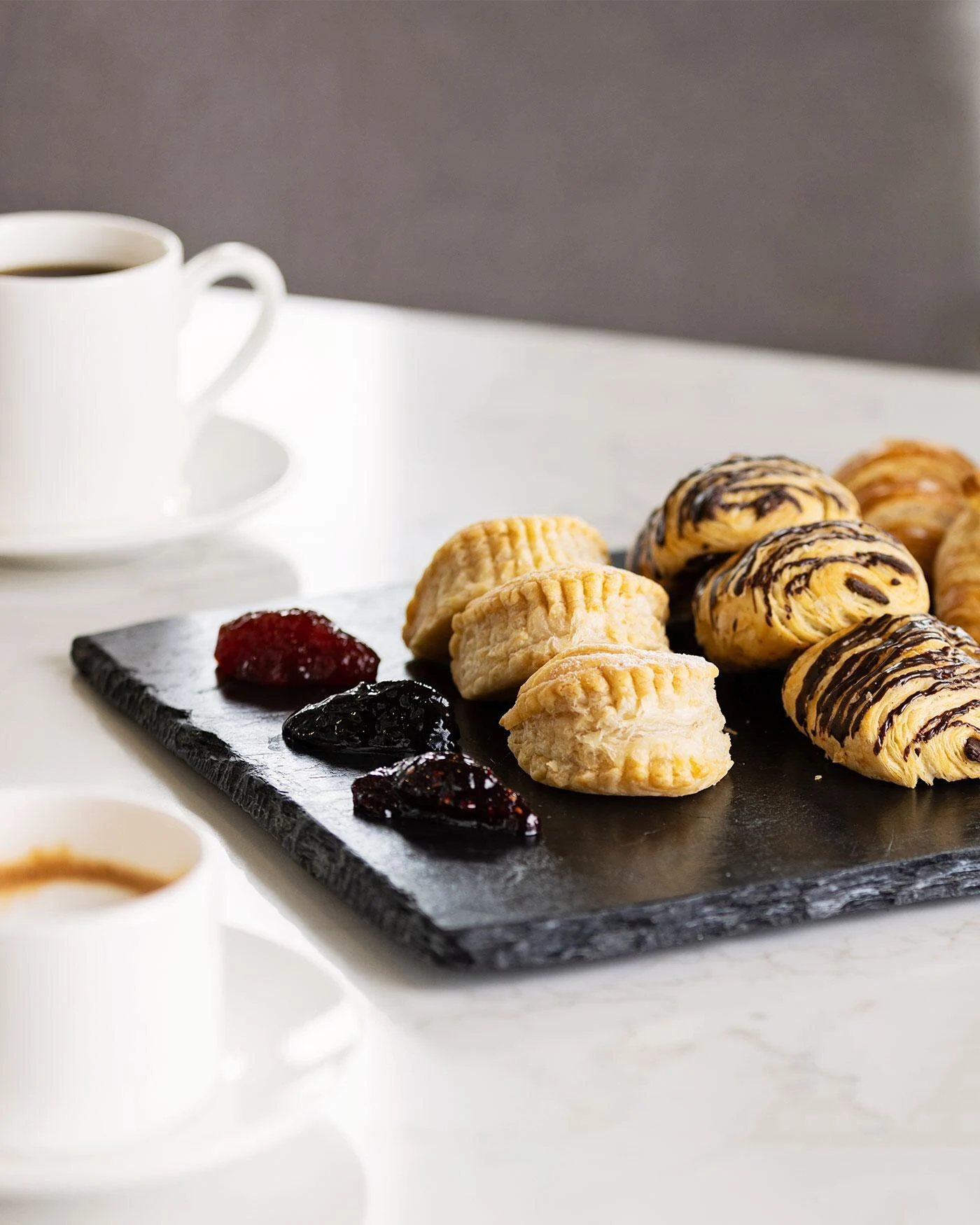
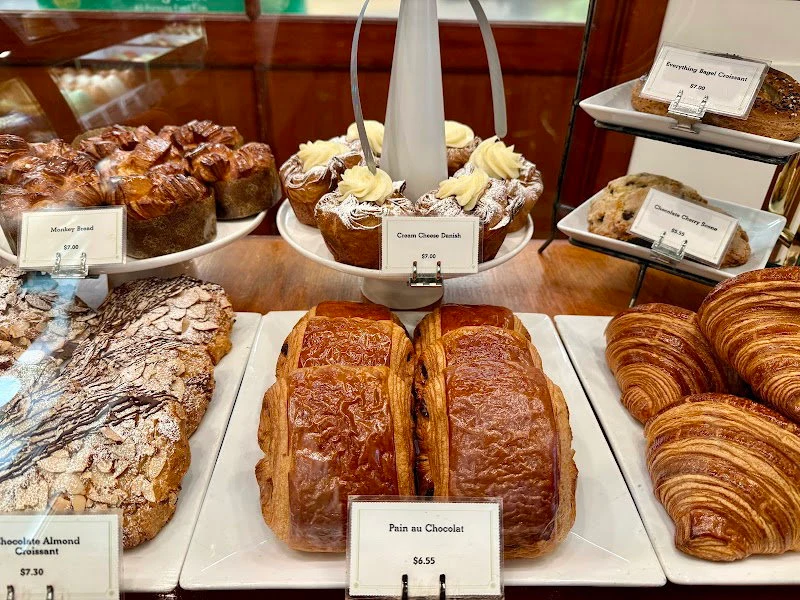
The bakery format also exposes a useful truth about Yountville dining: not every serious food stop needs the architecture of a meal. A loaf, a tart, a croissant, or a coffee can reveal as much about standards as a composed plate, because mistakes have fewer places to hide. French baking narrows the field of judgment. The butter must carry flavor without heaviness, the crumb has to show proper fermentation, and sweetness needs restraint if the pastry is going to make sense before noon.
That restraint aligns with Napa Valley’s better food instincts. The region is strongest when technique supports agricultural identity rather than smothering it. A French bakery in this setting is not an imported costume; it is a practical translation of wine-country abundance into portable form. Fruit, dairy, grain, and chocolate move through a kitchen grammar that prizes exact timing. For travelers, the result is a useful counterpoint to the area’s longer, higher-stakes dining formats.
Yountville’s compact scale intensifies that role. The town rewards walking, grazing, and splitting the day into small decisions. A bakery stop can sit before a tasting, between hotel checkout and lunch, or after an early drive up-valley. That flexibility is part of the appeal, and it explains why bakery culture has more influence here than its square footage might suggest.
How to read it within a Yountville itinerary
The smarter way to use Bouchon Bakery is as part of the town’s larger food map, not as a substitute for it. For a fuller read on the area, start with Our full Yountville restaurants guide, then place the bakery beside nearby formats such as Addendum, Bistro Jeanty, Bottega Napa Valley, Clementine, and Estate Breakfast. The point is contrast: Yountville works because it can move from bakery counter to bistro, from breakfast to wine-country cooking, without asking every stop to perform the same role.
Planning around the wider town helps. Hotel choice changes the day’s pacing, so Our full Yountville hotels guide is useful for understanding where mornings begin. Wine shapes the afternoon, mapped in Our full Yountville wineries guide, while Our full Yountville bars guide and Our full Yountville experiences guide fill in the hours around dinner. Bouchon Bakery is strongest when read as the hinge between those categories: casual in format, serious in technique, and tied to the same provenance conversation that defines the valley.
For readers tracking casual food formats beyond Napa, the same value lens explains why small, focused operations can matter as much as destination dining rooms. See Jōdo Saké Bar in Los Angeles, Onigiri Time in Pasadena, ¿Por Qué No? in Portland, 'Ai Love Nalo in Waimanalo Beach, 'āina in San Francisco, 'Ama 'Ama in Kapolei, Bien Cuit, French Bakery in New York City, and Bouchon Bakery, French Bakery in Napa. The common thread is not sameness; it is the usefulness of focused formats where technique, sourcing, and price discipline are easier to judge than rhetoric.