.null

Blue Bottle Cafe

CafeSpecialty Coffee ShopAbout $10 a head
Blue Bottle Cafe

Why go

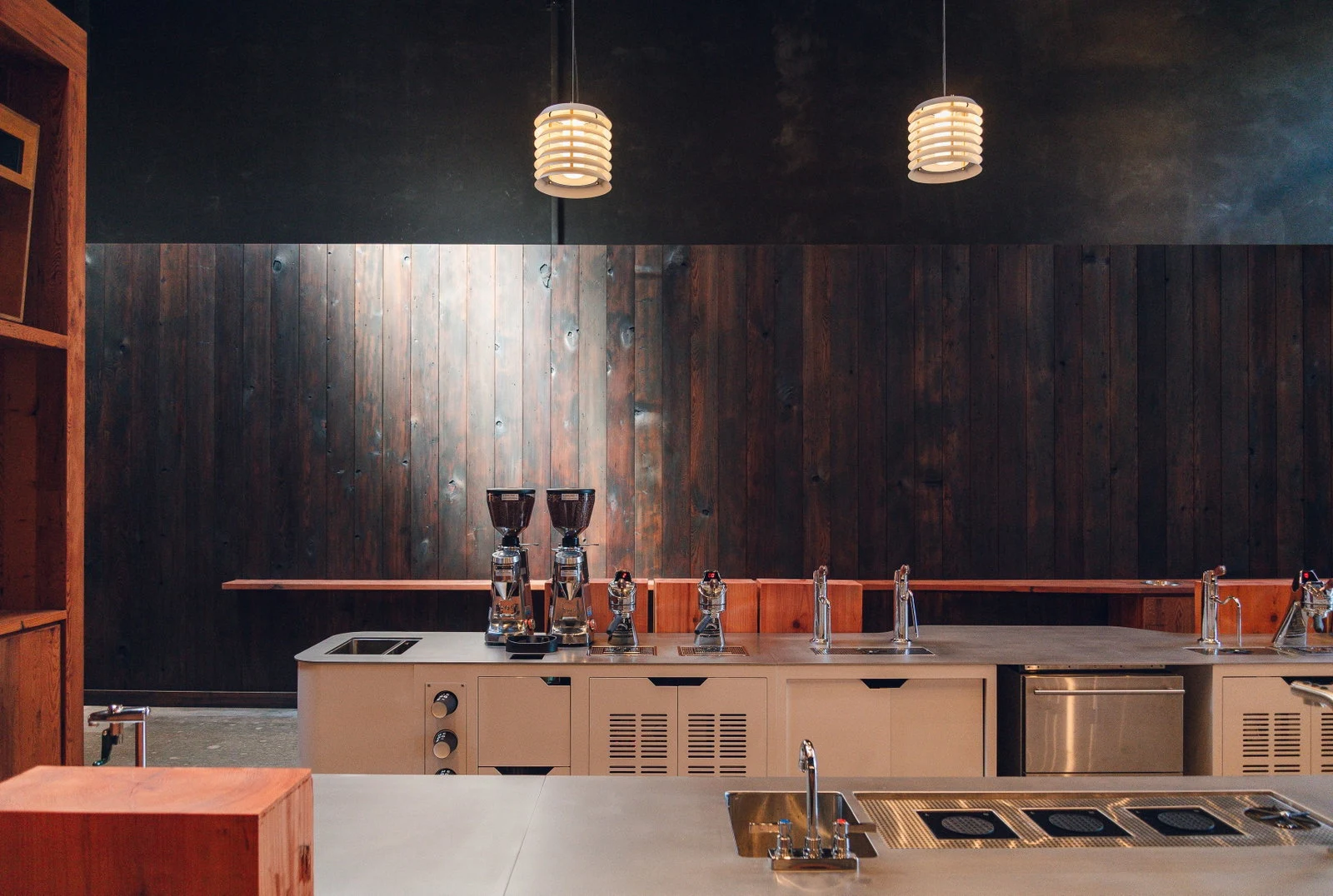
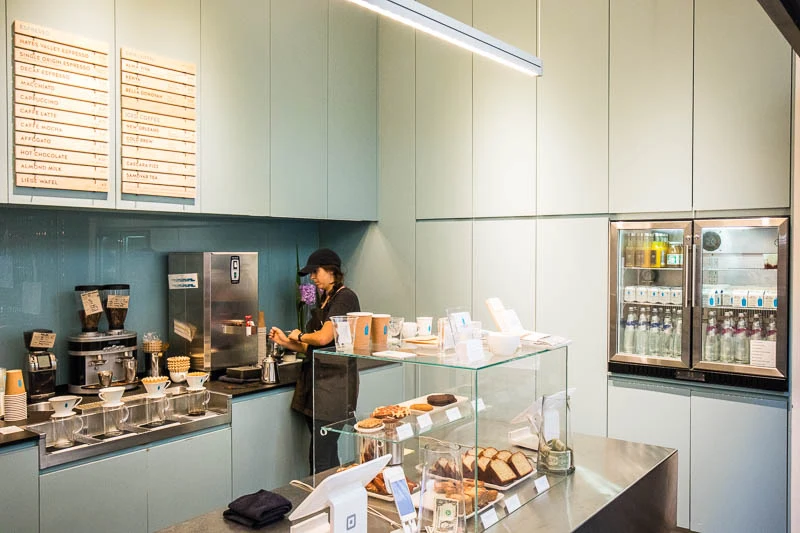
San Francisco’s serious coffee rooms tend to announce themselves without theatricality: grinders at work, milk pitchers moving in short arcs, laptops open but not quite dominant, and a queue that understands the menu before reaching the counter. Blue Bottle Cafe fits that local rhythm. It is a café category entry rather than a restaurant in the formal sense, but in this city the distinction has always been porous; coffee, pastry, bread, and quick service have shaped daytime eating as much as tasting menus shape dinner.

The broader story is San Francisco’s move from second-wave café culture into a more exacting model of sourcing, brewing, and counter service. The city helped turn coffee from a background utility into an object of scrutiny: grind size, extraction, milk texture, and roast profile became part of everyday language. Blue Bottle Cafe sits inside that shift, with founder James Freeman attached to a style of coffee service that made restraint and consistency commercially legible. The useful point is not personality mythmaking. It is that the chef-founder credential, unusual for a café brand now operating across multiple San Francisco locations, helps explain why the format reads closer to food culture than convenience retail.

San Francisco café culture, stripped to precision

San Francisco’s café scene has long rewarded clarity over excess. The city’s better daytime rooms often run on a limited promise: make the coffee correctly, keep the food tight, and let the room carry neighborhood life without forcing it into a full-service restaurant frame. Blue Bottle Cafe’s presence across San Francisco makes it part of that everyday infrastructure. The address is effectively citywide rather than a single destination point, which changes the way to assess it. This is not a room built around rarity; it is a repeatable café format built around standards.

That repeatability matters in a market where the casual end of dining can become either overly engineered or too loose. The 2026 Opinionated About Dining Cheap Eats Recommended recognition gives the café a useful external marker: it places an affordable café format alongside North American dining addresses judged for value and character, not only fine-dining ceremony. In San Francisco, where dining costs can distort even modest meals, that category signal carries weight.

The café lens also helps explain why a city guide should read coffee seriously. A morning espresso or filter coffee can be as revealing as a dinner reservation because it shows how a city treats daily rituals. San Francisco has never separated craft from habit cleanly. Bread bakeries, coffee counters, lunch rooms, and small specialist shops form a circuit that many visitors encounter before they ever sit down for a reservation-only meal. Readers mapping that circuit can place Blue Bottle Cafe alongside local café and casual-food references such as Four Barrel Coffee, The Mill, Stonemill Matcha, Juniper, and 'Napizza, each pointing to a different version of the city’s informal dining grammar.

James Freeman's café model and the value signal

James Freeman’s name matters here as a credential, not as a substitute for analysis. The evolution of chef- and founder-led casual formats has changed how cafés compete. A café can no longer rely only on location and caffeine demand in cities with mature food audiences; it needs a point of view on product, service rhythm, and how much complexity belongs in a daytime order. Blue Bottle Cafe’s public identity has been built around coffee as the anchor rather than a sprawling all-day menu, which keeps the format legible.

The OAD Cheap Eats context is also a reminder that value does not mean lack of seriousness. In North American dining, the more interesting affordable addresses often compress expertise into short transactions: a counter order, a focused drink, a pastry case, a brief stay between meetings or museum hours. That compression is the café’s advantage. It asks less planning than a tasting menu and gives a clearer read on local habits than many heavily staged dining rooms.

For San Francisco visitors, the practical editorial stance is simple: use the café as part of a daytime route rather than the anchor of a whole itinerary. Pair it with neighborhood walking, gallery time, retail, or a later reservation. The city’s stronger travel days are often built this way, with casual food and drink doing the connective work between larger meals. For broader planning, see Our full San Francisco restaurants guide, Our full San Francisco hotels guide, Our full San Francisco bars guide, Our full San Francisco wineries guide, and Our full San Francisco experiences guide.

Where it fits in a wider casual-dining map

The café’s usefulness becomes clearer when viewed against a wider North American casual-food map. Specialist formats now carry much of the energy once reserved for full-service restaurants: sake bars, onigiri counters, taquerias, bakeries, plant-based lunch rooms, hotel-adjacent dining, and coffee shops all compete for the same informed traveler’s limited time. That is why cross-city context matters. A San Francisco café can sit in the same planning conversation as Jōdo Saké Bar in Los Angeles, Onigiri Time in Pasadena, ¿Por Qué No? in Portland, 'Ai Love Nalo in Waimanalo Beach, 'Ama 'Ama in Kapolei, 'Dashery in Baltimore, Abraço Bakery, Café in Manhattan, and Annelies, Café in Berlin: not because they are interchangeable, but because they show how compact formats can define a city as sharply as formal dining.

Blue Bottle Cafe is strongest as a calibrated stop within that logic. Its value lies in a clear coffee-led identity, a San Francisco origin story tied to James Freeman, and recognition from a 2026 Cheap Eats list that treats casual formats with the seriousness they deserve. For travelers trying to understand the city through what locals consume between appointments, that is a useful signal.

Tags

ModernTrendyMinimalistSoloAfter WorkCasual HangoutStandaloneDesign Destination