Why go
Bread every day, buns beside it
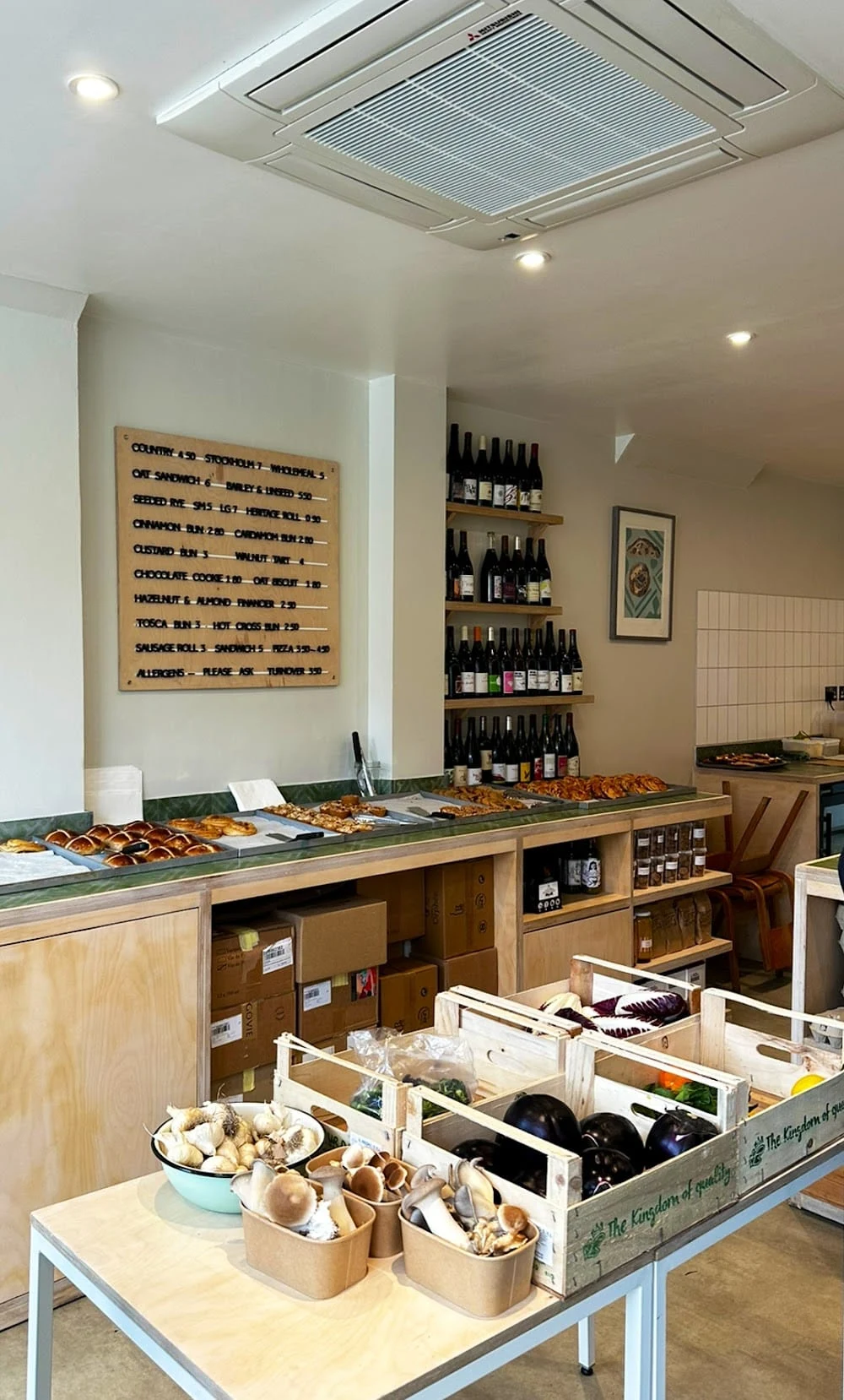
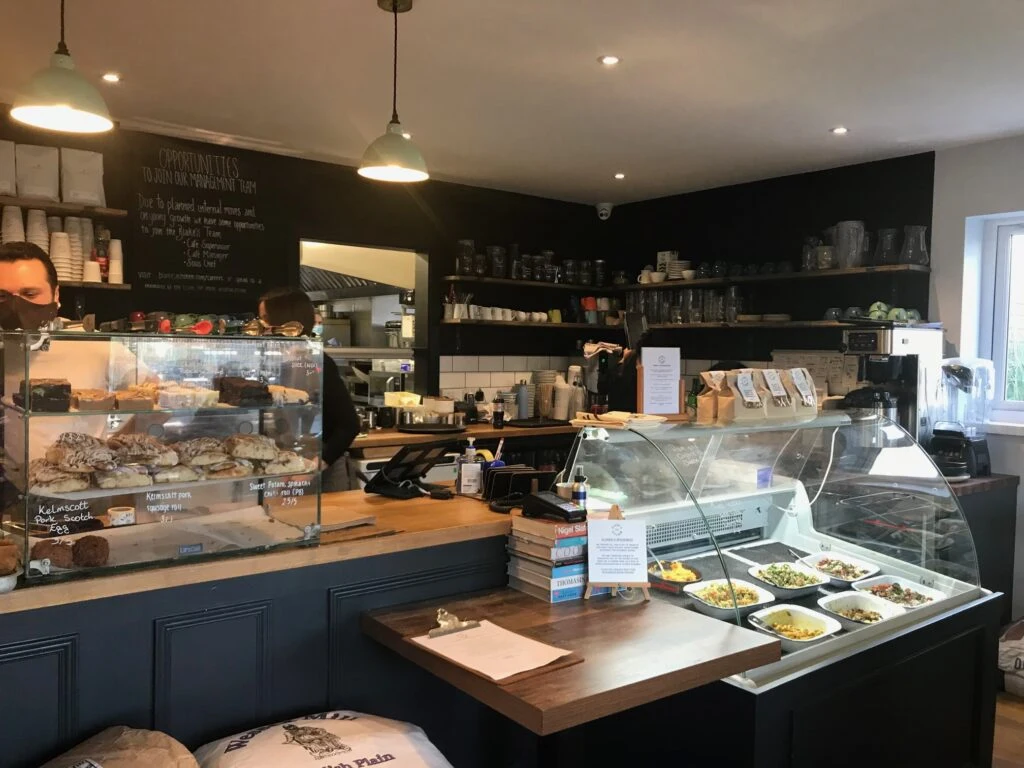
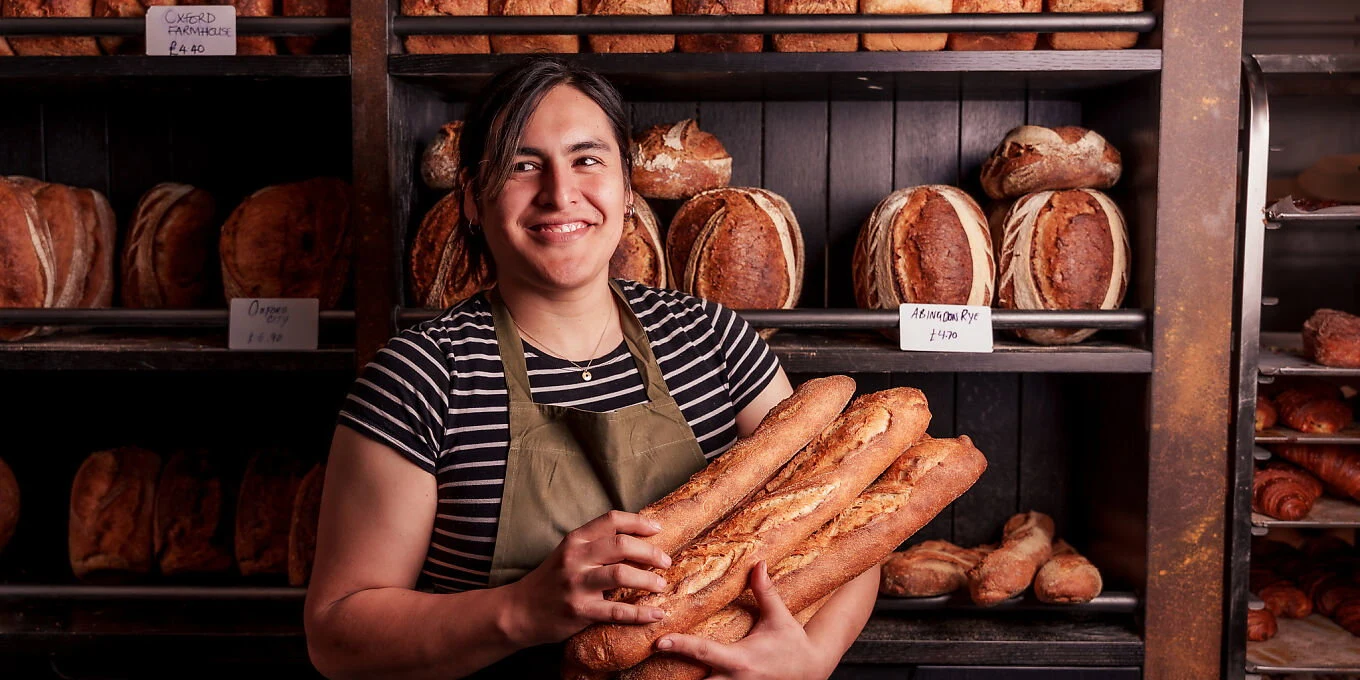
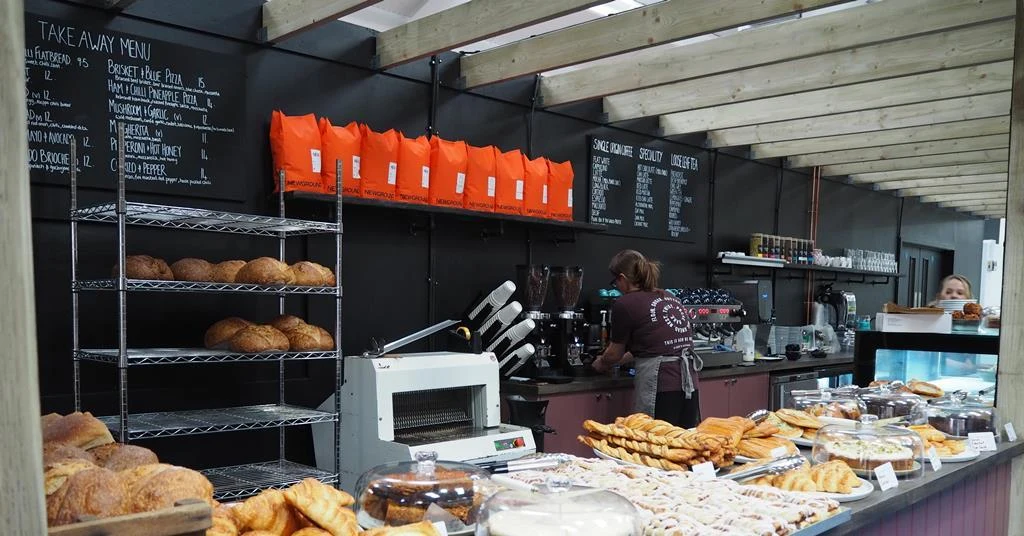
Fresh bread comes out daily at Blake's Kitchen Bakery, sourdough loaves included, and that is the anchor of a deliberately short offer. Cinnamon buns give the counter its sweet pull, and sausage rolls and lunchtime goodness bowls carry it into the middle of the day. The mix does real work: bread and buns for a bakery stop in the morning, bowls and a sausage roll once it becomes lunch. These are dependable, recognisable staples rather than a technical pastry showcase, which suits a bakery that has to feed the same people repeatedly rather than impress them once.
A bakery in the Farm Yard at Soho Farmhouse
The setting explains the format. Blake's Kitchen Bakery sits in the Farm Yard at Soho Farmhouse, the private members' club spread across a hundred acres of Oxfordshire countryside near Chipping Norton and Great Tew, so it operates as a food amenity inside a much larger estate rather than as an independent high-street bakery. Access follows from that, since this location is open to Soho House members. Within that context the bakery reads as casual and practical, somewhere to collect a loaf or a bun in the middle of a stay rather than a destination in its own right. Its role is not formal dining. It is a bread counter that happens to sit inside a members' club, and it behaves like one.
Start with the cinnamon bun, leave with sourdough
The cinnamon bun is the obvious sweet opener, the named bake most identified with the counter. At lunch the two savoury directions are the goodness bowls and the sausage rolls, one light and one traditional, and either works as a full stop to a morning. The sourdough loaf is the thing to take away, since daily bread is what the bakery is built around and a loaf outlasts the visit. Keep the order simple: a bun with coffee, a bowl or a sausage roll if it is midday, and a loaf under the arm on the way out.
Frequently asked questions
What should I order at Blake's Kitchen Bakery?
The cinnamon bun is the sweet bake most identified with the counter, so start there. At lunch the two savoury directions are the goodness bowls and the sausage rolls, one light and one traditional. Take a sourdough loaf on the way out, since fresh bread every day is what the bakery is built around.
Can anyone visit Blake's Kitchen Bakery?
No. It sits in the Farm Yard at Soho Farmhouse, the private members' club in the Oxfordshire countryside near Great Tew, so access to this location is limited to Soho House members. That setting also explains the format: it works as a casual bakery amenity within a large estate rather than as an independent high-street shop.
Compare nearby places
| Venue | Type | Area |
|---|---|---|
| Hamblin Bread | Bakery | East Oxford |
| Blake's Kitchen | Café | Clanfield |
| Imma The Bakery | Bakery | Stoke Row |
| Levain & Cherry | Bakery | King's Heath |
| Yorks Cafe | Café | City Centre |