Why go
Brazilian farm, Lisbon roast
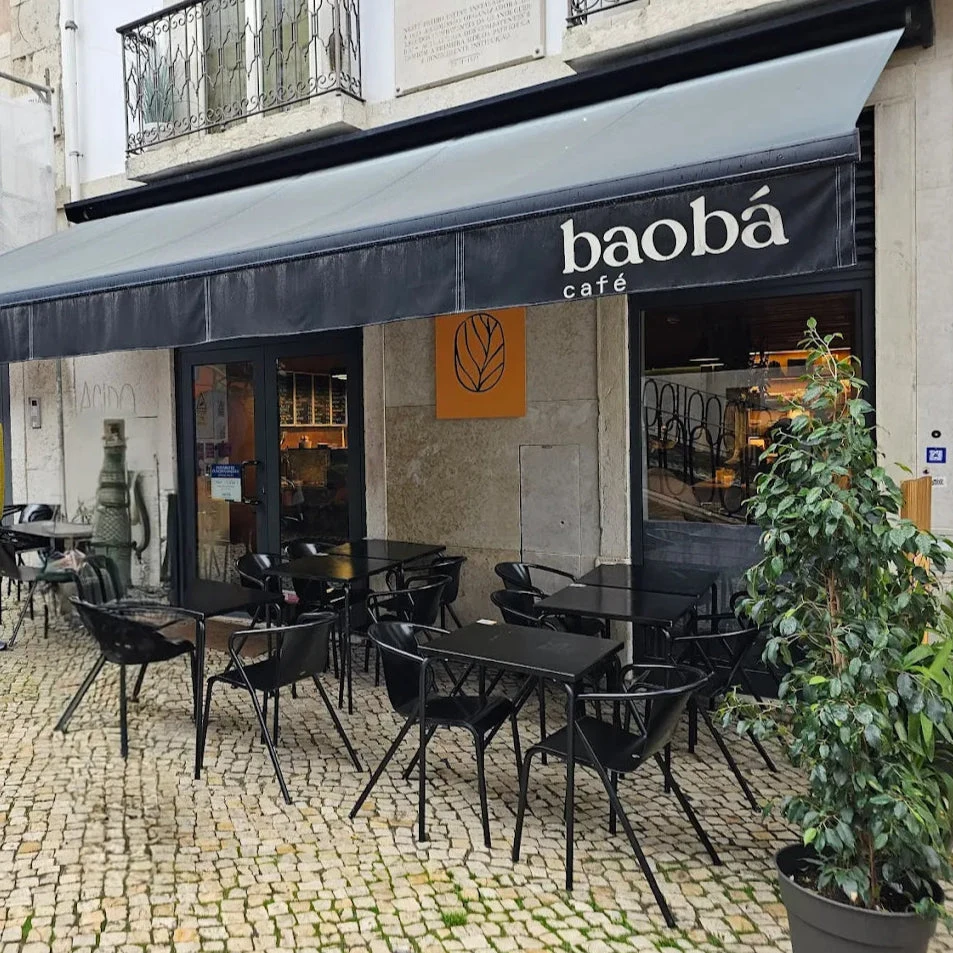
Baobá works from a single line: from our farm to your cup. The beans come from the brand's own farm in the interior of São Paulo and are roasted in Lisbon, and the Marvila café is where that chain ends, in a drink made by a barista at the counter. The name is a tree. Baobá describes the baobab as a giant that shelters many, a symbol of care, mutual nurture and protection, and the roastery attaches the same language to land, sustainability, environmental protection and the people who grow its coffee. The result is a café that carries its whole supply chain in its name.
The coffee list
The range splits into Cafés de Especialidade, Blends and Microlotes Sazonais. Baobá Blend and Roaster Blend are the recurring house coffees, sold in 250g and 1kg bags, and the microlots are the seasonal, limited side: Microlote 114h Anaerobic Fermentation, Microlote Altitude Brasileira, Microlote Obatã Amarelo and Microlote Café das Mulheres. The brand describes its coffees as carrying história, sabor e identidade, tying the terroir of the São Paulo interior to the roasting done in Portugal. Marvila is one of several Baobá coffee shops in Lisbon, separate from the Bica branch, so read it as part of a roastery's network rather than a one-off espresso bar. Snacks are part of the counter, gluten-free options among them, but coffee is the reason the room exists. Baobá presents itself as a specialty roaster and retailer first, and the Lisbon shops exist so the coffee can be drunk the way the roastery intends it, made by a barista rather than bought as a bag alone.
How to drink it here
Order a drink first and let the origin story sit behind it: a Brazilian coffee roasted a short walk away rather than bought in from a wholesaler. If espresso is your usual, the house blends are the steadier route; if you want the seasonal end, ask which microlot is open. For a bag to take home, Baobá Blend or Roaster Blend cover the everyday, while Altitude Brasileira, Obatã Amarelo, Café das Mulheres or the 114-hour anaerobic lot cover the more particular cup. What separates Baobá from other Lisbon specialty stops is vertical sourcing: one farm, one roastery, one counter, with the same name over all three.
Tags
Frequently asked questions
Where does Baobá's coffee come from?
From the roastery's own farm in the interior of São Paulo, in Brazil, which is then roasted in Lisbon. That vertical chain is the brand's central claim, summed up in its own line, from our farm to your cup, and it covers the house blends and the seasonal microlots alike.
What should you buy to take home?
Baobá Blend and Roaster Blend are the recurring house coffees and come in 250g and 1kg bags. For something more particular, the seasonal microlots include Altitude Brasileira, Obatã Amarelo, Café das Mulheres and a 114-hour anaerobic fermentation lot, which rotate rather than staying on the shelf.
Compare nearby places
| Venue | Type | Area |
|---|---|---|
| The Royal Rawness | Café | Marvila |
| Tomorrow at 9 Cafe | Café | Picoas |
| Sense of Coffee | Café | Parque das Nações |
| PENTAGON - Specialty coffee / Vegetarian food / Natural wine / Affordable art | Café | Anjos |
| MAS Specialty Coffee & Brunch | Café | Avenidas Novas |