Why go
Lavazza at the centre of the counter
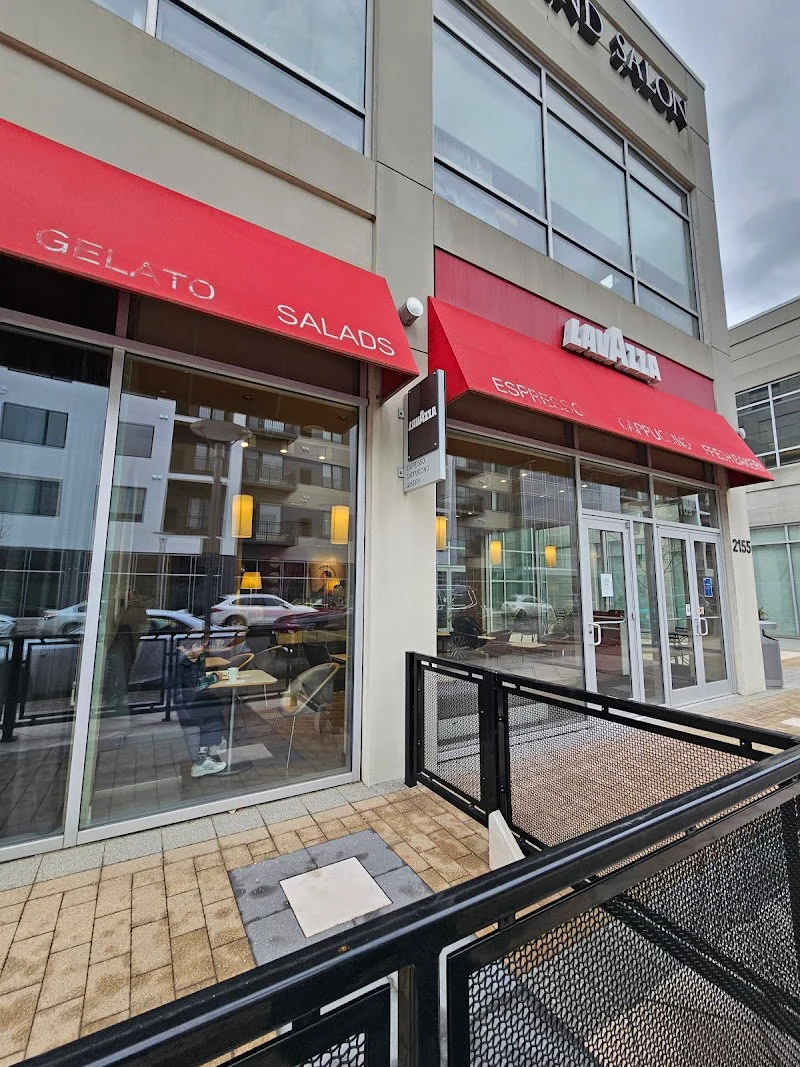
The counter runs on Lavazza espresso drinks, with gelato, pastries, savoury breakfast plates and lunch plates giving this Italian coffee shop outside Chicago its range. It is not trying to be a narrow espresso stop. Coffee starts the visit, but the food and the sweets make the room just as useful for a light meal or for something sweet afterwards. That range gives the counter a practical role: it can answer a caffeine need, and it can also hold a slower pause.
The Italian cue is plain rather than theatrical: espresso as the anchor, pastry beside it, gelato as part of the draw. The menu stays broad enough for repeat use without turning the café into a restaurant. A Lavazza espresso drink, something from the pastry case, then a return for gelato or a lunch plate if the day calls for it. Those familiar elements keep the Italian idea readable, so the room does not need ceremony to explain itself.
A modern room made for lingering
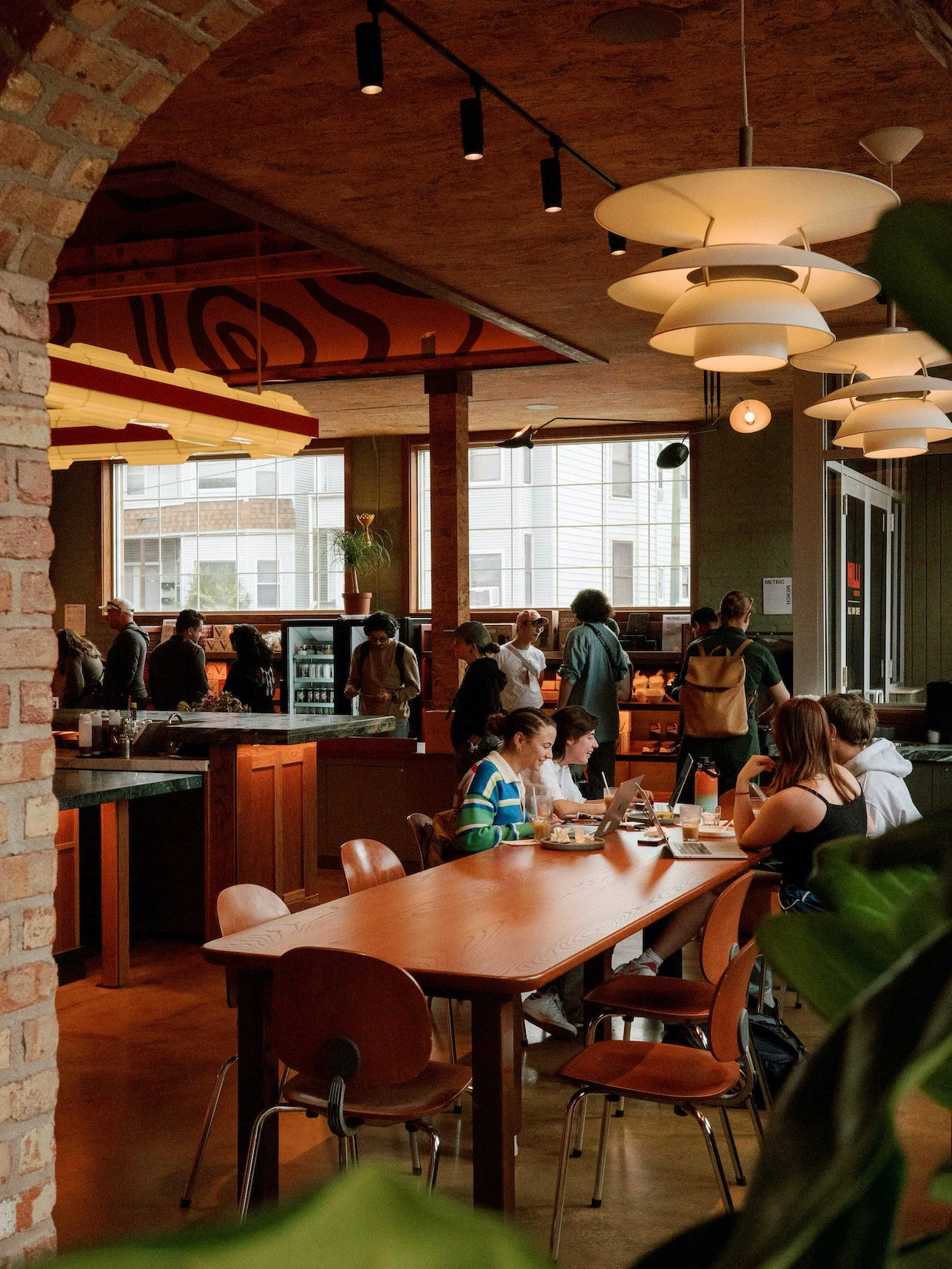
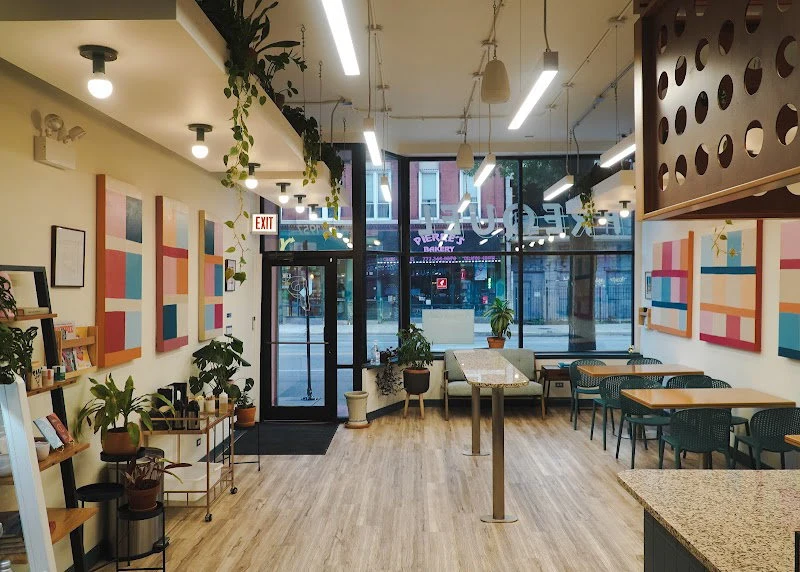
The room is open and modern, with plenty of seating and counter service, so the visit starts the usual café way: order first, settle after. The design is clean and calm rather than busy, and that changes how the place works. It takes a quick coffee run, but it also suits someone who wants to sit with a cup, open a laptop or keep a conversation going over a light meal. Because the seating is plentiful, the café absorbs different paces without making either the quick visitor or the lingering one feel misplaced.
That flexibility is the point. Arista Coffee & Cafe is built for several small uses rather than one occasion. It works as a coffee-and-breakfast stop, and the lunch plates, pastries, sweet treats and gelato give the counter other reasons to stay. The atmosphere leans quiet, which helps when the choice is between grabbing something fast and staying long enough for the visit to be worth it.
Order the espresso, then stay for gelato
Start with a Lavazza espresso drink, the clearest expression of the house. The café’s identity sits on Italian coffee-shop cues, with Lavazza espresso and gelato setting the tone. If the day needs food with it, add a pastry or a savoury breakfast plate when coffee alone is not enough; this is where the wider menu supports the coffee instead of distracting from it.
For a second order, go to the Italian gelato. It is the item that separates this from a standard coffee-and-pastry stop, and it makes the café useful beyond a quick espresso visit. Lunch plates have their place too, especially when the plan is a light meal rather than a dessert. Treat the counter in stages: espresso first, food if needed, gelato when the visit stretches.
Tags
Frequently asked questions
What should you order at Arista Coffee & Cafe?
Begin with a Lavazza espresso drink, the clearest expression of the café’s Italian coffee-shop identity, then follow it with Italian gelato. If the visit needs food, savoury breakfast plates, lunch plates and pastries fill it out, and sweet treats sit alongside the gelato for anyone who wants dessert with coffee.
Can you work at Arista Coffee & Cafe?
Yes. The room is open and modern with plenty of seating and a quiet, calm atmosphere, so it suits a laptop session as easily as a quick coffee run. Service is at the counter, which means ordering first and settling after, and the space absorbs both short visits and long ones without either feeling out of place.
Compare nearby places
| Venue | Type | Area |
|---|---|---|
| Dots Cafe | Café | Roscoe Village |
| Milli By Metric | Café | Avondale |
| Prequel Cafe | Café | West Town |
| ALTAR Home & Café | Café | West Town |
| Soloway Coffee | Café | Lincoln Park |