Why go
Strong East African coffee and a plate of shahan ful is the standing order at Alem’s Coffee, a family-run Eritrean counter in Oakland’s Temescal that has been serving breakfast since 1999. Its founders came to the United States from Eritrea nearly thirty years before opening it, and regulars still describe the service as being fed like family.
Eritrean breakfast, not an American cafe menu
Shahan ful is the best-known plate: fava beans simmered soft and mashed with olive oil, chopped tomato, green pepper, chile, cumin, lemon and feta, then finished with raw onion, more tomato, green chile and berbere, with bread rolls for scooping. It is vegetarian, filling, and built for a breakfast where beans, spice, bread and coffee do all the work.
Kitcha fitfit is the other essential: torn flatbread tossed with berbere and spiced clarified butter, served saucy and hot, cooled with yogurt on the side. Fata follows the same logic with a different base, crunchy French bread soaked in a fiery tomato silsi. Beyond those, the kitchen makes a beef and lamb stew served with injera, injera fitfit, a boiled potato sandwich, an Eritrean egg scramble, egg sandwiches and pastries.
A corner counter in Temescal
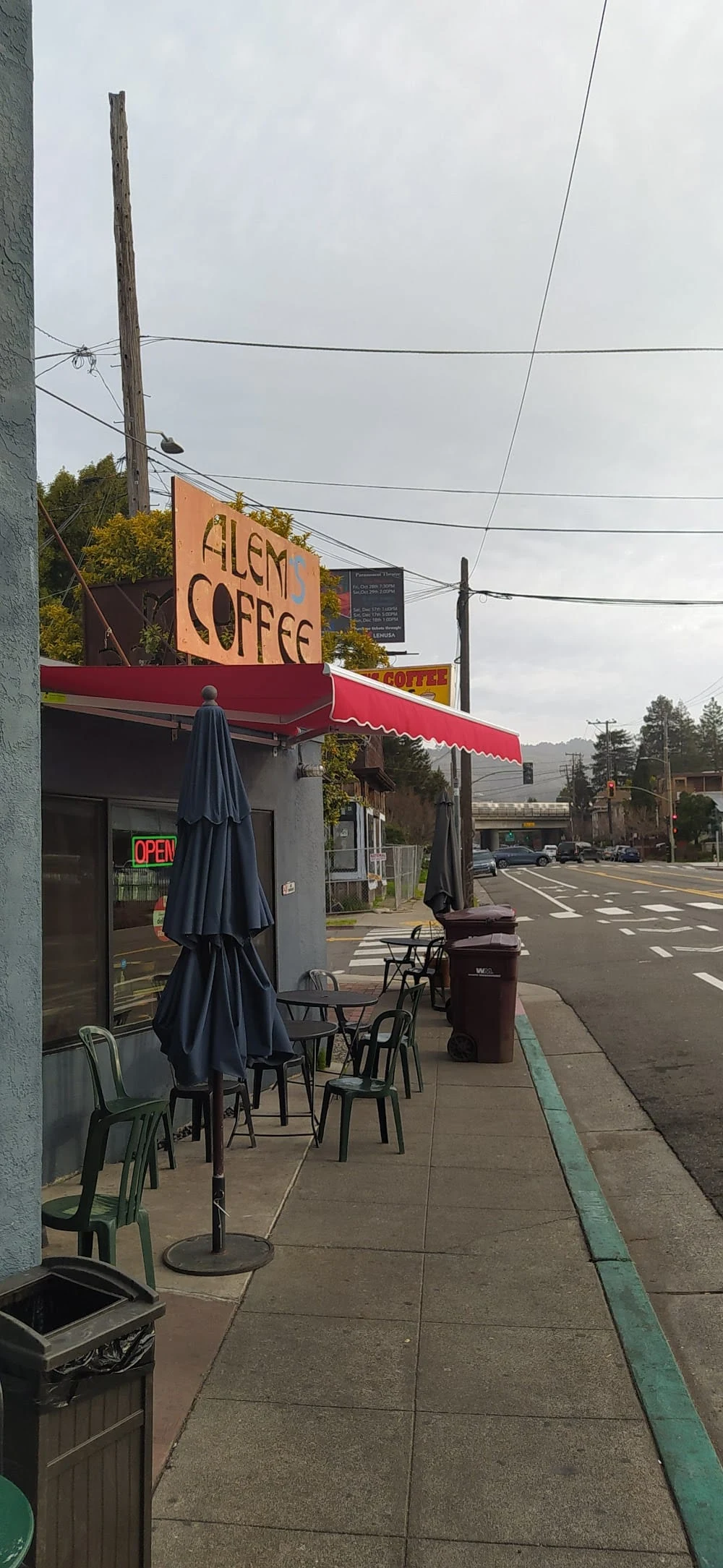
Service is quick and warm. Orders go over the counter, plates come out fast, and the staff move between coffee, food and conversation without much ceremony. Large windows let sun into the corner room, glass tubes of brown coffee beans line the walls, and family photographs sit behind the counter.
Inside can be quiet while the outdoor tables become the social centre, filled with East African regulars, neighbours and people who treat Alem’s as a Temescal meeting point. Tigrinya and Arabic carry across the tables as often as English.
The coffee is the constant: simple, strong, hot, mostly Ethiopian beans roasted dark and earthy, brewed without ceremony but with care. It gets poured for whole tables and often arrives after the food, almost as dessert.
Order shahan ful first
Start with shahan ful, the dish that explains the place. Follow it with kitcha fitfit if you want heat and butter, or fata if you want the crunch of bread against the tomato sauce; both run spicier here than at most peers, and the yogurt is on the plate for a reason. For meat, the beef and lamb stew with injera is the classic move. To stay vegetarian, the boiled potato sandwich and injera fitfit sit alongside the ful. Order coffee with any of it.
Tags
Frequently asked questions
What should you order at Alem’s Coffee?
Shahan ful is the dish that explains the place: fava beans mashed with olive oil, tomato, chile, cumin, lemon and feta, eaten with bread rather than a fork. Kitcha fitfit brings berbere and spiced butter, fata swaps in crunchy French bread and tomato silsi, and strong East African coffee goes with all of it.
Compare nearby places
| Venue | Type | Area |
|---|---|---|
| Forma Bakery | Bakery | Temescal |
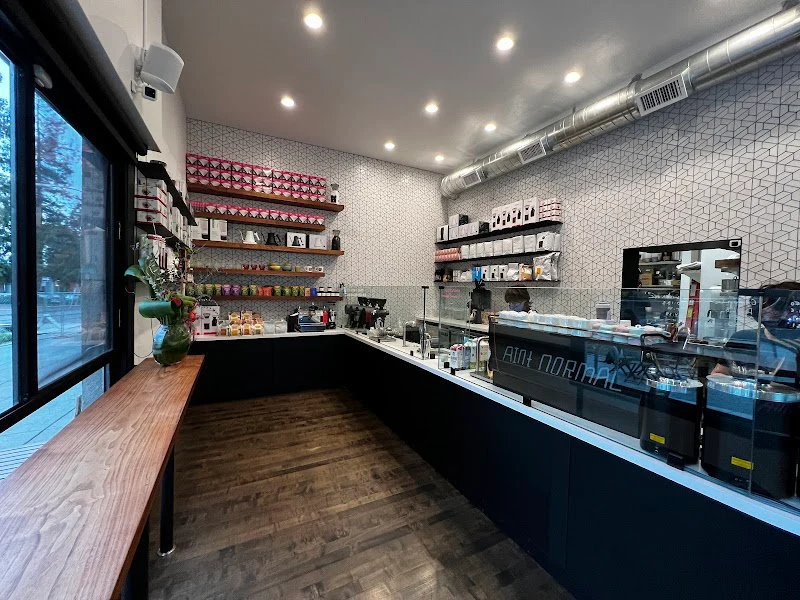
| Ain't Normal Cafe | Café | Rockridge |
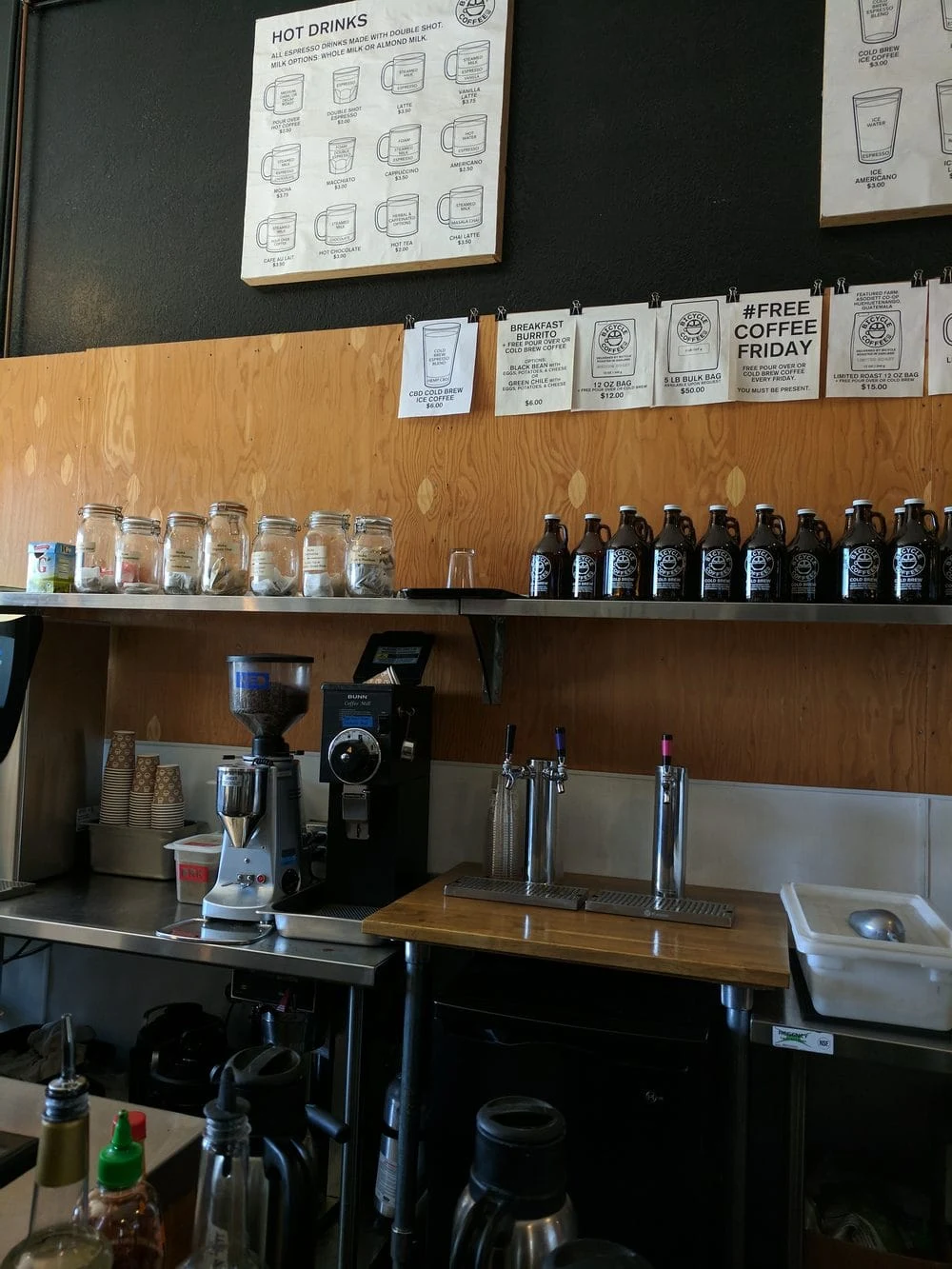
| Bicycle Coffee | Café | Jack London District |
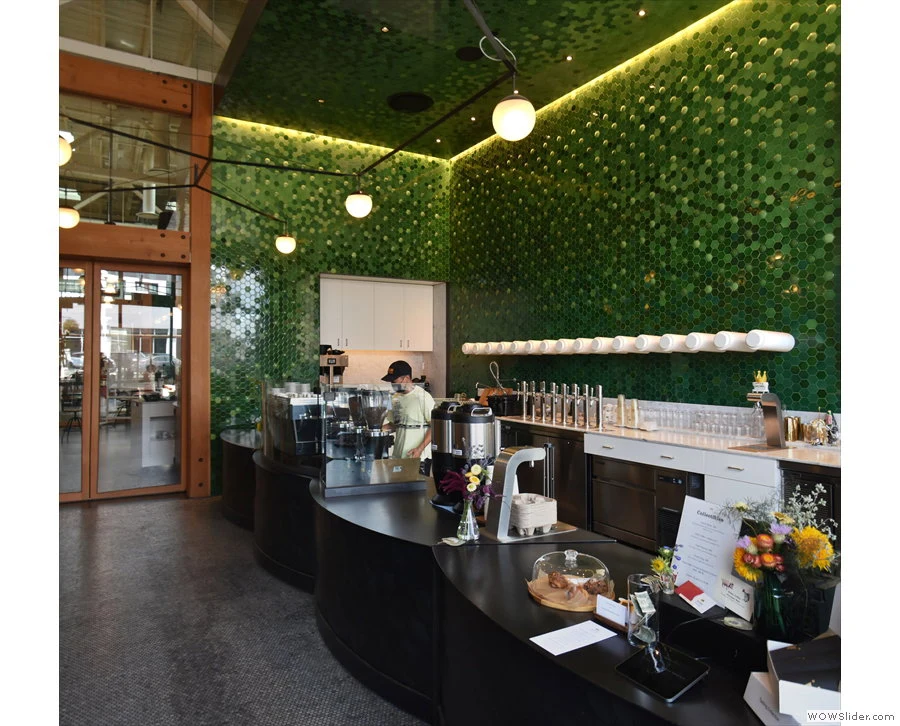
| The Crown: Royal Coffee Lab & Tasting Room | Café | — |
| Starter Bakery | Bakery | Rockridge |