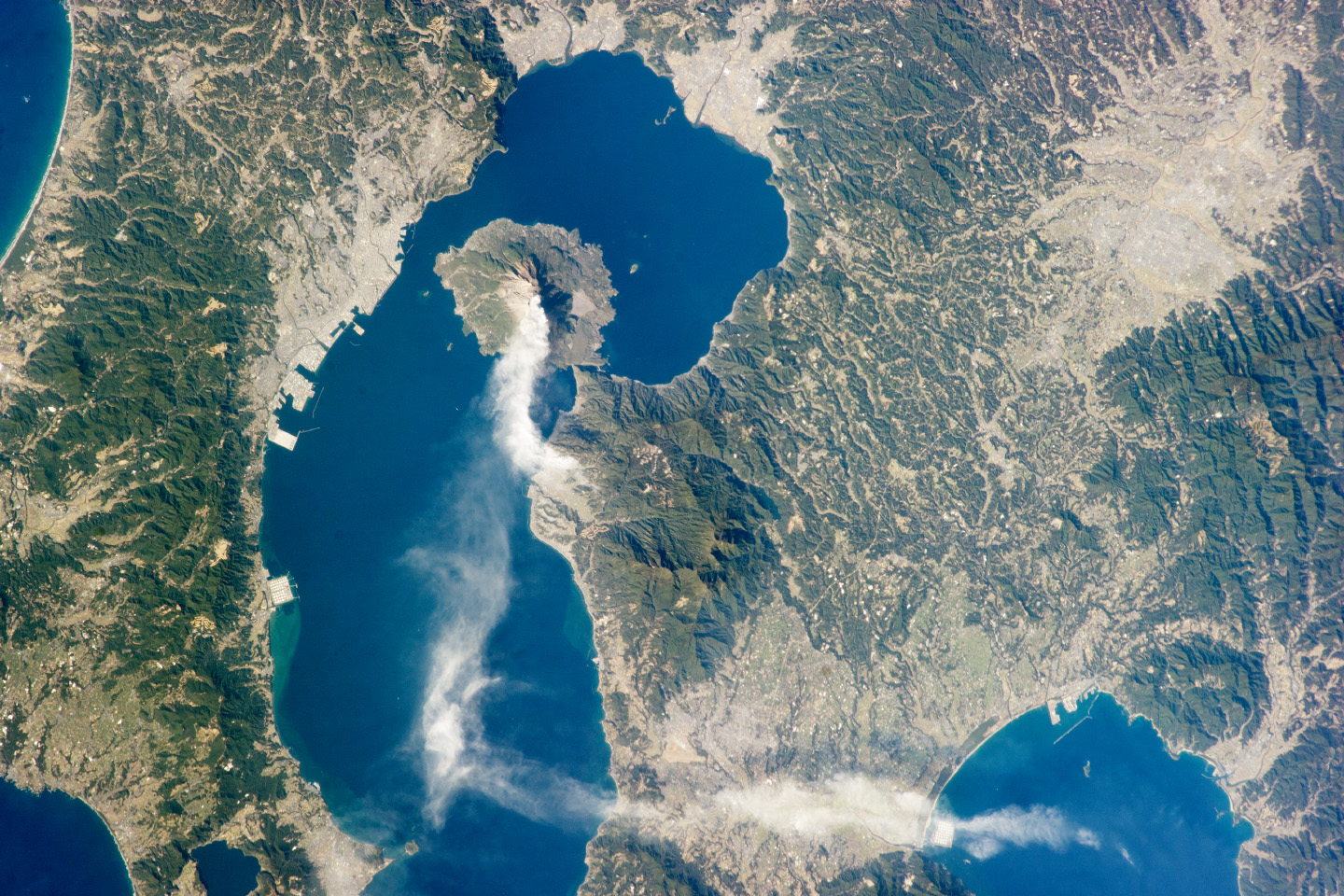
On a Shimokitazawa stage last June, Kensuke “Ken” Sakashita and Mutsumi Kodama built a service around Kagoshima: Sakurajima, fermentation traditions, local black tea, coastal ingredients, and two baristas working as The Volcano Brothers. Sakashita runs QUILT COFFEE. Kodama runs the A Way to Coffee mobile van. Together they are shaping Kagoshima specialty coffee through competition practice, local collaboration, and a city vocabulary formed beside an active volcano.
Tokyo held the room, but Kagoshima set the brew plan. Specialty coffee in Japan often gets talked through Tokyo and Osaka, with their fuller calendars, bigger audiences, and easier routes into competition culture. Ken and Mutsumi came to The Barista League in Shimokitazawa with another read. They presented Kagoshima through places to eat, drink, and walk after the cup was finished.
Ken runs a roastery and cafe. Mutsumi runs a van. Together they co-host the Kagoshima Volcano Brewers Cup each year, practice for competitions on Zoom at midnight, and keep asking how a city with daily ash fall and older kissaten habits can build its own specialty coffee vocabulary.
The Volcano Brothers at The Barista League
The Barista League in Shimokitazawa gave Ken and Mutsumi a tight format. The room knew coffee competitions and performance. Their job was to make Kagoshima legible without turning it into a travel poster.
Ken and Mutsumi chose Kagoshima itself. Sakurajima, Kagoshima’s active volcano, sat at the center. Around it they placed fermentation traditions, local black tea, and coastal ingredients. Those choices pushed the service beyond farm, processing method, roast date, and brew recipe. The cup came with a barista’s directions for where to go next.
Ken and Mutsumi explained the choice plainly in Barista Magazine: "We felt we were in a unique position to share the beauty and character of this city with genuine affection, precisely because we live and work here."3 They live and work in Kagoshima.
The name The Volcano Brothers comes from the daily condition of the place. Sakurajima is active, ash falls daily in Kagoshima, and a person sweeping a doorway, covering a bicycle seat, or choosing where to dry laundry knows the volcano as routine. The name fits a city where Sakurajima is active and ash falls daily. Coffee professionals can talk about hospitality differently when they begin with that kind of place awareness.
Why Kagoshima specialty coffee starts with Sakurajima
Kagoshima specialty coffee has a geography that will not stay in the background. Sakurajima is the city’s visual marker and a daily presence. Ken and Mutsumi describe themselves as people who live next to an active volcano with ash falling on them daily. That condition belongs to daily work, not only to the view.
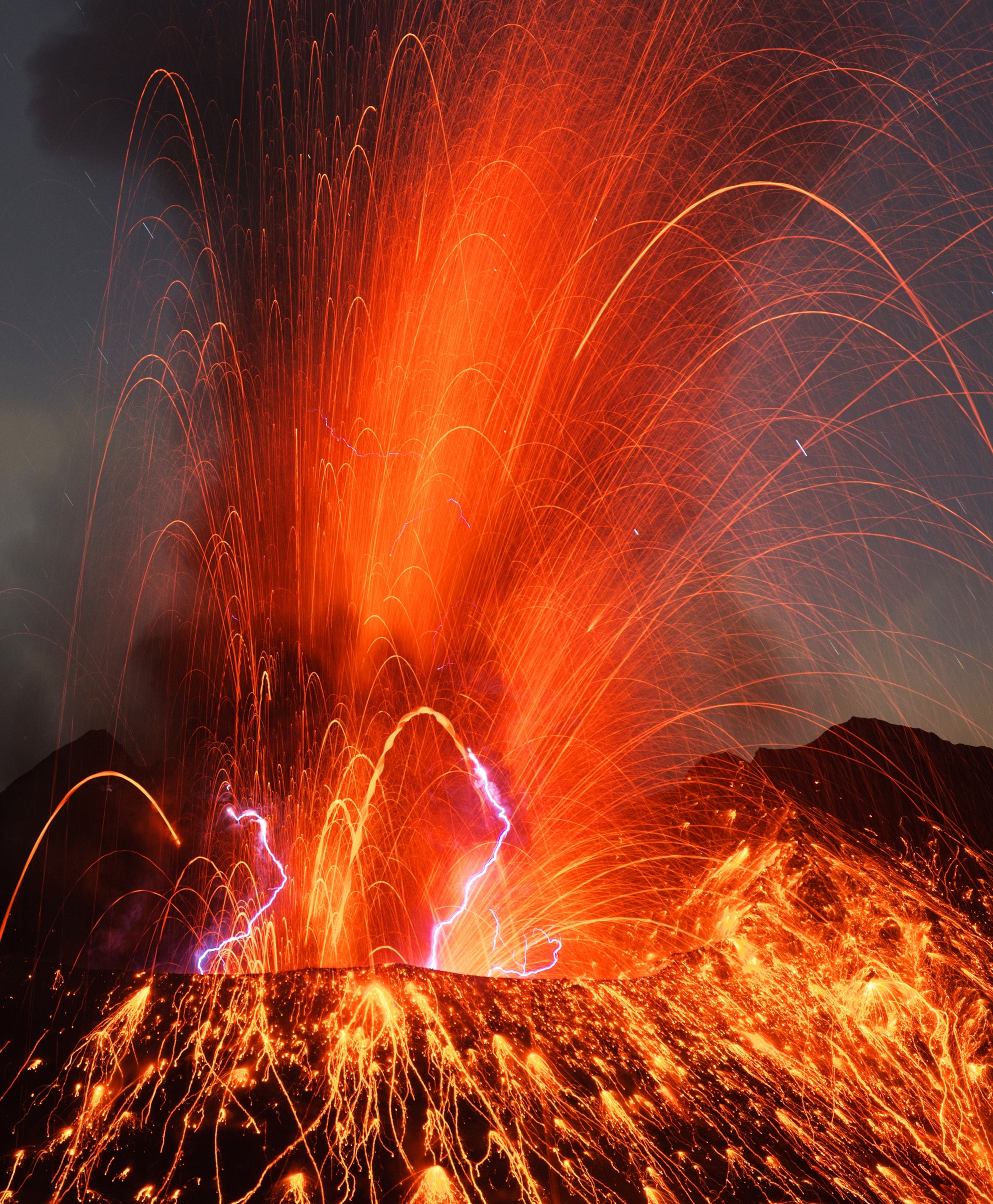
In cafe terms, place often appears as decor, a wall map, or a seasonal drink. Ken and Mutsumi treat place as the operating frame. Their competition concept asked judges and spectators to understand Kagoshima through local ingredients and local habits.
The city also has an older coffee culture. Kagoshima’s coffee scene has been shaped for decades by traditional kissaten, the Japanese tearoom and coffeehouse culture that predates the current specialty movement. That history gives today’s operators a customer base with established rituals, and it gives them a challenge. A barista cannot build trust by treating older habits as dead weight.
Mutsumi has spoken about that pressure directly. Kissa culture is deeply embedded in Kagoshima, and convenience store coffee is everywhere. The task, as he frames it, is to show what is possible without dismissing what already exists. Specialty coffee in Kagoshima should feel like a continuation of local life, even when the beans, brew tools, and competition standards come from newer networks.
The cup still has to carry the promise. Ken has said that a coffee served in Kagoshima might be a natural-process Ethiopian. The origin and process can read globally on a menu, while the experience around the cup stays local through the climate outside the door, the person serving it, the ingredient references, and the recommendation for where to go next.
The kissaten city meets the competition table
Competitions and daily cafe work ask for different muscles. A service shift asks for consistency, speed, and the ability to read a customer who may not care about extraction time. A competition asks the barista to compress choices into a performance and make those choices visible. Ken and Mutsumi use the second format to sharpen the first.
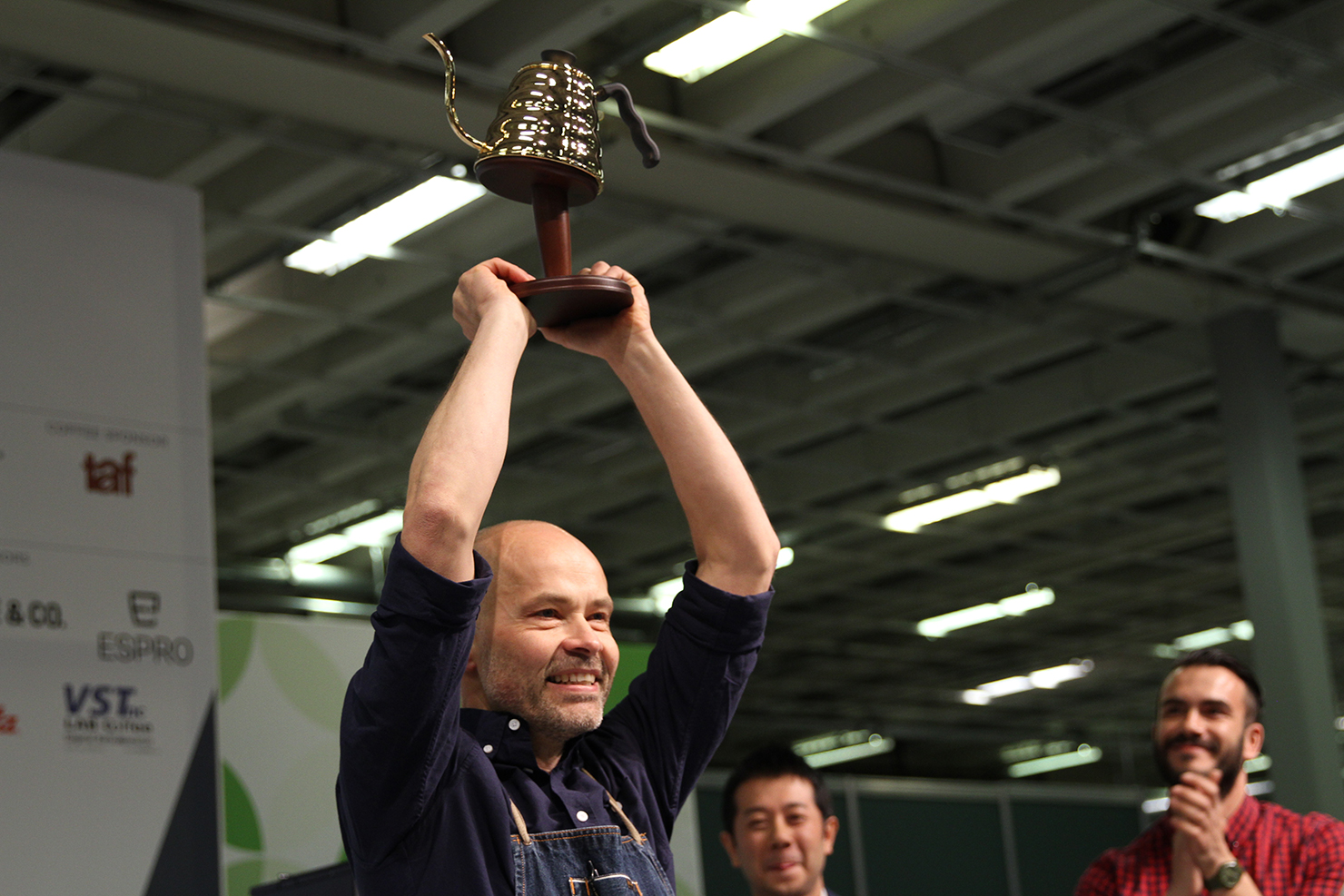
The Kagoshima Volcano Brewers Cup, which they co-host annually, gives local baristas a reason to practice, compare, and speak in a shared technical language. Competition is not the final measure of coffee work, but a brewers cup forces useful habits. The barista has to choose a coffee, understand the roast, decide how to brew it, explain the structure of the cup, and serve it under scrutiny. Those steps change how a person works the next morning behind a normal counter.
For a regional scene, access matters. Mutsumi has described the project as a way to improve local baristas’ skills, knowledge, and experiences by giving them competition and community that usually concentrates in Tokyo or Osaka. The practical stake is giving Kagoshima baristas competition and community closer to home. If a young barista in Kagoshima can test a recipe, hear feedback, and watch peers solve similar problems in the same city, more energy stays there.
The midnight Zoom practices say as much about the partnership as the public events do. Ken and Mutsumi run separate businesses. They also make time outside regular hours to prepare together. That is craft discipline. No stage concept survives if the cups do not hold up. No regional identity convinces a coffee audience if the baristas cannot execute the brew.
QUILT COFFEE and A Way to Coffee, fixed bar and moving van
Ken’s base is QUILT COFFEE, a specialty roastery and cafe in Kagoshima. QUILT COFFEE operates at 鹿児島県鹿児島市南栄1-17-1 谷山緑地公園, with business hours from 10:00 AM to 5:00 PM on Monday, Tuesday, Wednesday, Saturday, and Sunday. It opened on 2023.2.25, and the average price is JPY 999 (Tabelog).
QUILT COFFEE runs on a daytime clock. The address places it in Taniyama, away from the assumption that every cup worth traveling for has to sit in a capital-city shopping district.
Ken has a fixed point. A bar can train regulars to notice roast development, freshness, and brew choices over repeated visits. It can host events. It can give visiting baristas a counter to stand at and a place to taste Kagoshima through coffee. In a city with established kissaten culture, a specialty roastery cafe also has to earn the everyday customer, not only the coffee traveler.
Mutsumi’s A Way to Coffee works differently. It is a mobile coffee van in Kagoshima, launched after he discovered specialty coffee while working in Brisbane, Australia and returned home. His career arc turned in Brisbane, Australia. He encountered specialty coffee elsewhere, then chose Kagoshima as the place to build.
A van changes the relationship between barista and city. The operator brings coffee into the routes people already use. That mobility suits a regional movement because it creates contact points beyond the fixed cafe circuit. A customer who meets A Way to Coffee at the van may later attend an event, visit QUILT, or start recognizing the same names across Kagoshima’s coffee calendar (Tabelog).
Midnight practice and the Kagoshima Volcano Brewers Cup
Ken and Mutsumi’s collaboration began through local event work. Mutsumi asked Ken, whom he did not yet know personally, about hosting an event at QUILT COFFEE during his first year in business. From there, the two became closer and began building the Kagoshima Volcano Brewers Cup together.
That origin has the shape of many real coffee scenes. One person asks for a counter. Another person says yes. The event becomes a reason to meet again. The next project needs more structure, more practice, more trust. By the time The Barista League entered the picture, the partnership already had local work underneath it.
Ken brought experience working overseas. Mutsumi brought experience in coffee competitions. Their strengths met in the part of coffee culture that can be hardest to sustain outside major cities: repeatable skill development. A single good cafe can change a block. A competition, when run well, can change how baristas across a city talk to each other.
The annual rhythm of the Kagoshima Volcano Brewers Cup matters. A one-off event can feel like a visit from another scene. An annual competition becomes part of the local calendar. Baristas can prepare for it. Customers can learn to recognize it. Owners can use it as a reason to train staff and taste coffees with sharper attention.
The name keeps the city inside the format. Brewers Cup gives the technical frame. Volcano gives the place. That pairing is the project in miniature: better extraction, better service, stronger local identity.
The stakes beyond Tokyo and Osaka
Ken and Mutsumi are working inside a wider question for Japanese coffee: how does a regional city build standards without copying the pull of the largest markets? Tokyo and Osaka concentrate competitions, visiting professionals, and customer expectations formed by dense cafe neighborhoods. Kagoshima has daily ash, older kissaten habits, and baristas who have to build their own reasons for people to gather.
That difference gives the work its tension. If competition experience stays concentrated in larger cities, regional baristas travel farther for feedback and spend more time before they can test themselves. If a local event grows roots, the learning loop shortens. A recipe can be practiced, served, discussed, and adjusted within the same city.
Ken has framed his own stake around career possibility outside the major cities. His work at QUILT COFFEE gives that idea a counter, an address, and open hours. Mutsumi’s van gives it motion. Together, their annual cup gives it a calendar. Each piece answers a different problem in the same scene: where to drink, where to meet, where to train.
That structure makes Kagoshima specialty coffee easier to understand from outside the city. It comes down to which beans appear on bar, whether local baristas can build skill, whether customers can taste the difference without feeling scolded, and whether a visitor can leave with a reason to come back.
What to watch, and when to show up
QUILT COFFEE is the clearest fixed stop in this story. QUILT COFFEE operates at 鹿児島県鹿児島市南栄1-17-1 谷山緑地公園 between 10:00 AM and 5:00 PM on Monday, Tuesday, Wednesday, Saturday, and Sunday. Go during the daytime window. The average price based on reviews is JPY 999 (Tabelog).
The Kagoshima Volcano Brewers Cup is part of Kagoshima’s barista culture. Annual local competitions often let you read a scene before wider attention arrives. They show who is training, who is hosting, who is willing to stand up with a brew recipe and let other people taste the result. In Kagoshima, that event also shows how Ken and Mutsumi are distributing opportunity beyond their own brands.
A Way to Coffee adds the moving piece. Because Mutsumi runs a mobile van, the encounter with his work belongs to the city’s daily movement as much as to a pinned address. That matters for a place trying to expand specialty coffee without asking every customer to behave like a coffee tourist.
The next chapter of Kagoshima specialty coffee will likely be measured in ordinary ways: better cups served more often, more baristas entering competitions, more customers learning names, and more visitors leaving a cafe with a second stop recommended by the person who brewed their coffee. Ken Sakashita and Mutsumi Kodama have given the city a working model based on where they live, the people around them, and the volcano.