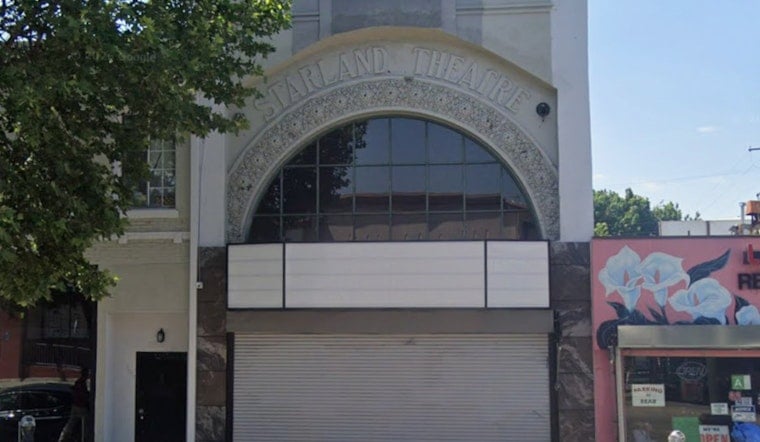
The relief facade, large arched entrance and terrazzo tile are still the first cues at 2624 N. Broadway; on August 29, Stumptown Coffee Roasters opened its Stumptown LA flagship and regional training center inside Lincoln Heights' former Starland Theatre. The building first opened in 1913 as Globe Theatre No. 7, designed by architect George B. Campbell, and Stumptown has put espresso service and training infrastructure behind the surviving front portion rather than wiping the room clean.
That is the news at the counter. Stumptown, founded in Portland, Oregon, in 1999, now has a Los Angeles cafe that carries more than drink service. Cafe Manager Adrian Luna runs the bar. Los Angeles area manager Anna Bouchard and area educator Nicole Gharghoury lead training for staff and wholesale partners in a separate onsite lab. The cafe also lands after a reset in Stumptown's Southern California map: the Arts District roastery cafe closed in January 2024, and Pasadena opened in February 2024.
Stumptown LA Flagship: A 1913 Theater Reopens for Coffee
The Stumptown LA flagship matters because it puts the brand back into Los Angeles with a public cafe and a working education room in the same historic shell. This is not just another bar with a sign above the door. The Starland site gives Stumptown a counter, a training bench and a preservation project on North Broadway, in a neighborhood where the building already had a century of public life before the first shot was pulled.
The address, 2624 N. Broadway, sits in Lincoln Heights, away from the Arts District footprint that carried Stumptown's Los Angeles identity for more than a decade. Stumptown first expanded to Los Angeles with its Arts District roastery cafe in September 2013. A Fashion District cafe followed in May 2019 and closed during the COVID-19 pandemic in 2020. The Pasadena cafe opened in February 2024. Now the former Starland Theatre gives the company two Los Angeles area cafes, Pasadena and Lincoln Heights, both supplied by Stumptown's Portland roastery.
The shift changes what a Stumptown stop in Los Angeles looks like. The Arts District cafe was tied to roasting on site. Lincoln Heights is tied to architecture and training. The roast supply still comes from Portland, but the work of consistency, education and wholesale support now has its own room in Los Angeles. For anyone who tracks cafes by equipment and workflow, that lab is the part to watch.
The Starland Theatre's Century-Long Journey
The Starland Theatre began in 1913 as Globe Theatre No. 7. George B. Campbell designed the building, and the surviving front portion still carries the pieces that announce its age before any branding does: relief facade, large arched entrance, terrazzo tile at the entry. Those details do not behave like decor. They set the tempo of the visit before the barista reaches for a portafilter.
Stumptown's move into the Starland took more than a year of development. That timeline matters because adaptive reuse asks a different kind of patience from a cafe buildout. A blank retail box can be solved by service speed, sightlines and a materials palette. A 1913 theater front asks whether the new tenant can keep the old room legible while making enough space for line formation, seated guests, espresso prep, grinders, milk service and staff movement.
The old theater language is not incidental to the coffee service. A large arched entrance changes the threshold. Terrazzo tile changes the first step. Preserved architectural details and original tile carry the building's past into the cafe without requiring a placard at every turn. For a coffee obsessive, the pleasure is in the overlap: theater bones at the front, Stumptown's bar logic behind them.
There is also a neighborhood scale to the choice. Lincoln Heights does not need a cafe to explain its own history, but a national specialty coffee brand working inside a former local theater does have to decide how loud to make itself. The better move is restraint. Let the arch stay an arch. Let the tile do its work.
Preservation at the Counter, La Marzocco in the Lab
Julianne Pike, Stumptown's director of retail, named the design brief plainly: "We were immediately drawn to those details and wanted the new cafe to preserve their presence rather than obscure them," said Julianne Pike1. The best evidence is physical. Wood, exposed original brick, large front windows, preserved architectural details and original tile sit alongside the working bar.
Jon and Masa Kleinhample of Klein Agency designed custom stereo speakers, benches and other elements for the cafe, and the agency helped shape the palette of warm colors and natural materials. The result, on paper, sounds less like a themed room than a cafe that lets age and utility share the same frame. Relief facade outside. Espresso routine inside. That contrast is the sensory point: old tile at the entry, a cream-colored La Marzocco at the bar, grinders lined up for service.
Adrian Luna oversees a bar built around a cream-colored two-group La Marzocco Linea PB. The grinder setup is specific: a Mazzer Robur S and two Mazzer Kony S grinders. The bar pulls Stumptown's Hair Bender blend, Trapper Creek decaf and rotating single-origin espressos. That tells you how to read the menu without needing a long scan. There is the house blend. There is a decaf kept in the service architecture. There is a rotating single-origin lane for the regular who wants to know what is being dialed in now.
The training lab sits apart from the public bar and carries two La Marzocco Linea PBs with additional grinders. That separation matters. A public espresso bar has to serve the queue. A lab can slow the motion down, repeat a shot, reset a grinder, taste across variables and teach a wholesale partner how a Stumptown coffee is meant to behave on bar. Some equipment came out of storage after the Arts District roastery cafe closed in January 2024, giving the Starland project continuity with the previous Los Angeles flagship without recreating it.
What the Training Center Adds to Los Angeles Coffee
The regional training center gives Stumptown a practical reason to be in Lincoln Heights beyond the daily cafe run. Anna Bouchard and Nicole Gharghoury will lead training for staff and wholesale partners there. For baristas, that means the Los Angeles area has a place where Stumptown's recipes, grinder habits, milk routines and espresso standards can be taught on machines set aside for training rather than squeezed in before opening or after close.
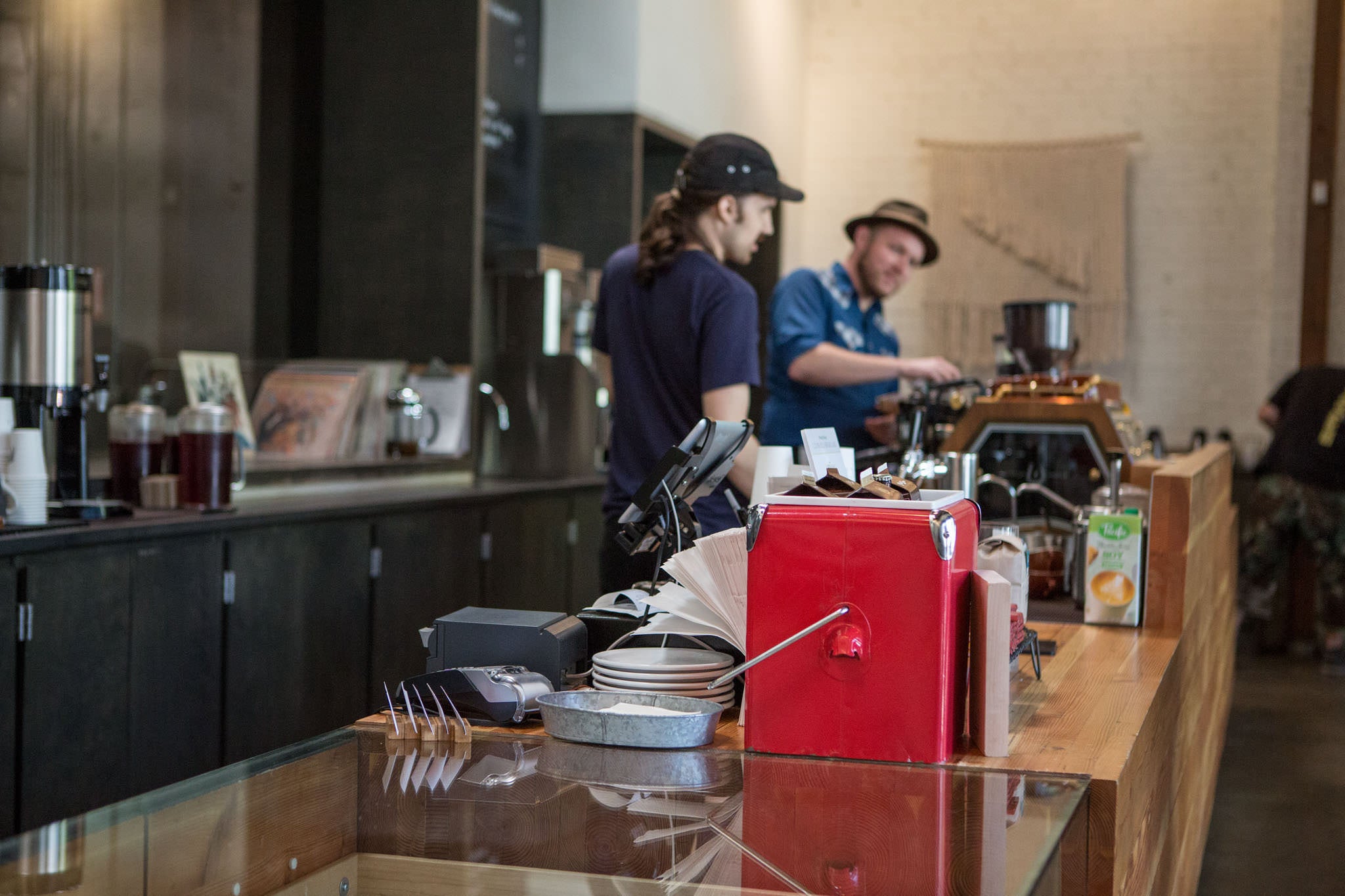
For wholesale partners, the lab is a service promise made physical. A bag of coffee leaving Portland still has to become a drink in Los Angeles, and that last step depends on grind, dose, water, machine temperature, workflow and the person at the bar. The honest technical detail is the hardware and the staff structure: two Linea PBs in the lab, additional grinders, Bouchard and Gharghoury leading education, Luna running the cafe bar.
The timing also lands during a broader corporate change. The Starland project had been in development for more than a year before Keurig Dr Pepper acquired control of Stumptown parent JDE Peet's on April 1. That does not change the machine on the counter or the terrazzo at the entry, but it does make the Lincoln Heights opening a place to watch how Stumptown keeps cafe identity specific while operating inside a larger ownership structure.
Stumptown currently operates nine cafes outside its Portland airport locations: three in Portland, two in the Los Angeles area, three in New York City and one in Kyoto, Japan. Those numbers give the Starland opening a clear place in the map. It is not a one-off pop-up. It is one of the brand's public rooms, and it is the one where Los Angeles training capacity now sits beside regular cafe service.
What to Order at 2624 N. Broadway
Start with Hair Bender as espresso. It is the standing blend named for the bar, and at a new flagship it gives the cleanest read on how the team wants the house coffee to present through the Linea PB and Mazzer setup. If you already know Hair Bender, ask for the rotating single-origin espresso next. That order turns the visit into a comparison without inventing a tasting flight: blend first, current single-origin second.
Trapper Creek decaf also has a place on the bar, which is useful information for anyone who usually has to ask whether decaf is an afterthought. Here, it is named as part of the service setup. The better question at the counter is not whether decaf exists, but how the team is pulling it that day.
Operating hours were not included in the opening details, so check Stumptown's current listing before crossing town. The fixed practicals are the address and the people: Stumptown Coffee Roasters at 2624 N. Broadway in Lincoln Heights, Adrian Luna managing the cafe, Anna Bouchard and Nicole Gharghoury leading training.
Go for the Starland facade and the terrazzo if architecture gets you through the door. Stay long enough to taste the difference between the house blend and the rotating single-origin espresso. The next thing to watch is whether this room becomes a working reference point for Stumptown's Los Angeles partners, not just a handsome place to drink coffee.