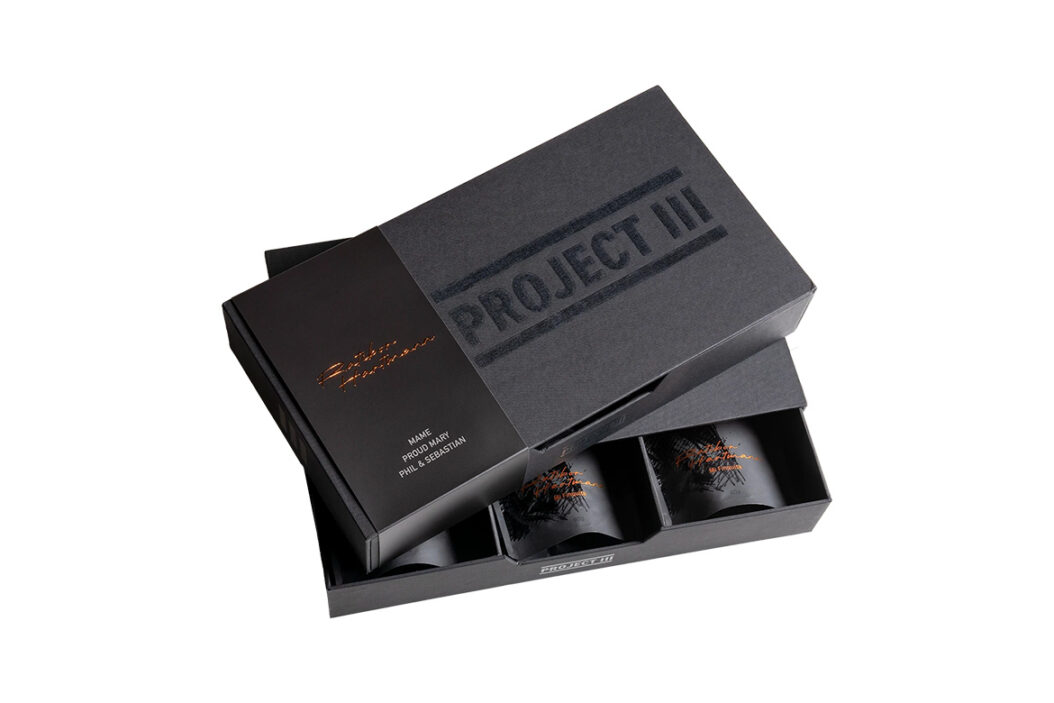
At 9:00 AM Mountain Time on October 29, the order window shuts on a box built for three small brews side by side. Project III Second Edition pairs Ratibor Hartmann’s Geisha lots with three roasters, Phil & Sebastian in Calgary, Proud Mary in Melbourne, Portland, and Austin, and MAME in Zurich. Pre-orders run from October 20 through October 29, 2026, the $170 CAD box includes three 80g coffees, and shipping is expected by December 11 (Sprudge).
Project III is a three-roaster comparison set. Project III puts one producer at the center, then asks three roasters to select distinct coffees and roast them through their own approach. This second release turns to Hartmann’s work in Panama, with three Geisha lots from Mi Finquita and Guarumo. The box includes three Geisha lots from Mi Finquita and Guarumo (Sprudge).
What the Project III Second Edition box includes
Phil & Sebastian has kept the structure tight. The Project III Second Edition box contains three 80g coffees from Ratibor Hartmann, roasted by Phil & Sebastian, Proud Mary, and MAME. The collection will be sold through philsebastian.com, proudmarycoffee.com, and mame.coffee (Sprudge).
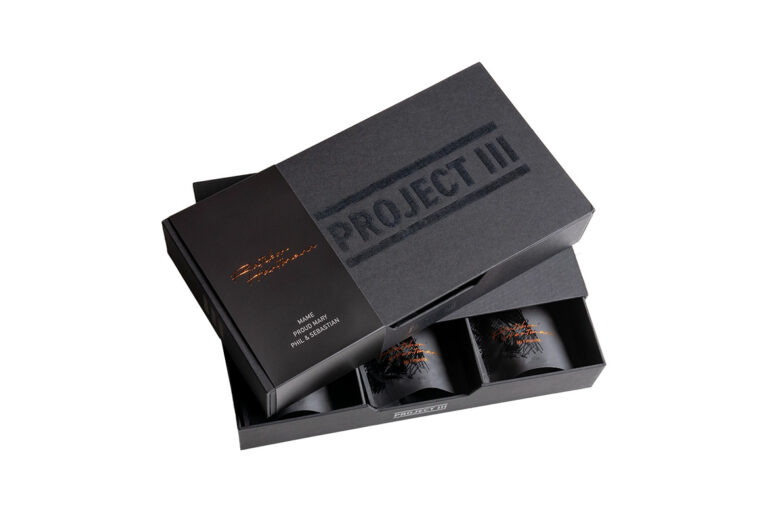
Three 80g bags make the tasting more immediate than a normal retail coffee drop. A single 250g bag centers the tasting on one roast and one brew curve. Three 80g bags make the tasting immediate from the first grind. For home brewing, the math shapes the tasting. A 20g dose gives four brews per coffee. A 15g dose gives five brews per coffee, with a little left for a final check. The set is built around steady variables: same water, same brewer, same grinder setting range, and adjustments only when the cup requires them.
The collection also keeps the producer visible. Project III is framed as a producer study, with Ratibor Hartmann as the through line. The three roasters become interpreters, and the tasting asks a collector’s question: what changes when Calgary, Zurich, and Proud Mary’s roastery team each choose a Hartmann Geisha and roast it for their own reading of the lot? The tasting shows where processing starts, where roast development nudges the cup, and where a roaster chooses to protect or amplify a coffee’s aromatics.
Ratibor Hartmann, Mi Finquita, and the Panama thread
Ratibor Hartmann’s name carries weight in specialty coffee because his work has placed first multiple times at Best of Panama. His Geisha Natural scored 96.50 points in 2022, a number that follows the producer into any release built around his coffees. The Project III Second Edition uses that context without turning the box into a trophy case. It gives three roasters coffees from Hartmann’s Mi Finquita and Guarumo farms, then lets the cups carry the differences.
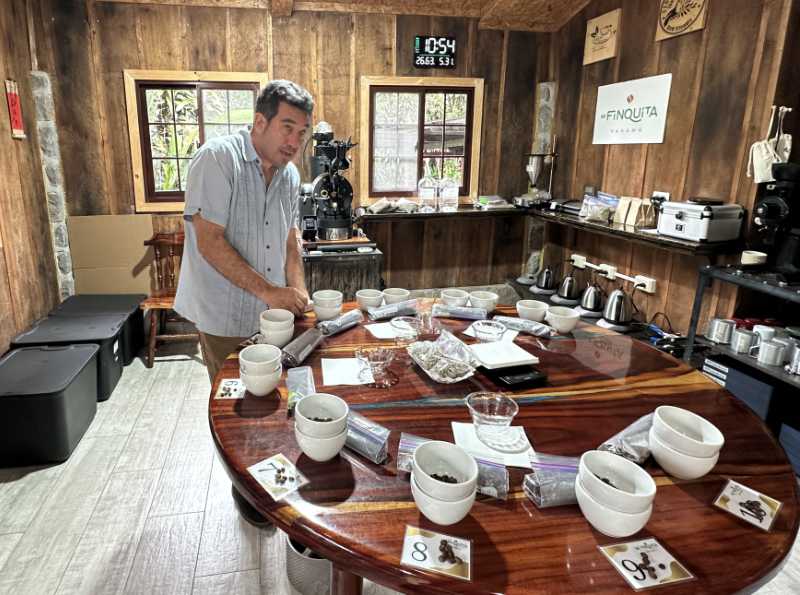
Mi Finquita has its own recent timeline. In 2015, Ratibor and Tessie decided to start a project separate from Finca Hartmann and purchased land in the region of Pozos. At Mi Finquita, they planted Caturra, Bourbon, SL-28, Geisha, and Typica. The farm began producing in 2020. Coffeefe.
A Phil & Sebastian listing for Mi Finquita Geisha Wine Globe Natural gives a closer look at the vocabulary around Hartmann’s processing. The coffee is listed with Panama as origin, Los Pozos as region, Mi Finquita as the farm, and 1750 to 1750 m as altitude. The process is Anaerobic Natural in wineglobe. The fermentation happened inside a glass wineglobe that Ratibor brought from Bordeaux, France. That vessel detail matters because Project III includes wine globe language in two of the three selections, one washed and one anaerobic natural (Coffeefe).
The Mi Finquita listing names Geisha and gives tasting notes of lychee, blueberry, violet, black tea, and mint chocolate, with a retail price of 100 G 38.95 EUR. Those notes belong to that listed coffee, not the full Project III set, but they help explain why Hartmann’s coffees attract drinkers who track processing with the same care they give to cultivar and altitude. Wineglobe fermentation is part of the process record (Coffeefe).
Three roasters, three ways to read one producer
Phil & Sebastian comes to the set from Calgary, with Sebastian Sztabzyb named as Co-Founder. Proud Mary brings a footprint across Melbourne, Portland, and Austin. MAME works from Zurich. Project III Second Edition places those roasters side by side and keeps the comparison clean: each roaster selected a unique Geisha lot from Ratibor Hartmann and roasted it through its own philosophy.
That structure gives the drinker a useful question before the kettle boils. How much of a coffee’s character comes from producer decisions, and how much from the final roasting choices made in Calgary, Zurich, Melbourne, Portland, or Austin? Project III sets up the cups. A short tasting window makes it possible to compare all three and return to the most confusing cup. Confusion is often where the useful tasting starts.
MAME selected a Wine Globe Washed Geisha with notes of white tea, apricot, and grape. Proud Mary selected a washed Geisha with notes of jasmine, lemongrass, black tea, and orange candy. Phil & Sebastian selected a Wine Globe Anaerobic Natural Geisha with notes of rose water, grape, butterscotch, blackberry, and tangerine. The overlaps are as useful as the differences. Grape appears in the MAME and Phil & Sebastian selections. Tea appears in MAME’s white tea note and Proud Mary’s black tea note. Citrus lands in Proud Mary’s orange candy and Phil & Sebastian’s tangerine.
Those overlaps give a home tasting anchors. Aroma and temperature are the first variables in the tasting. A washed Geisha can change quickly as it cools, and the Project III notes list specific markers: florals, tea, citrus, stone fruit, grape, and confectionary sweetness. The roasters’ names identify the cups. The tasting is about what each roaster chose to clarify.
The Geisha lots and the wineglobe question
The Project III Second Edition centers on Geisha, a variety that has become a collector signal in specialty coffee because the best lots can carry high aromatic definition. This box narrows the lens further by placing three Hartmann Geishas together. The coffees come from Mi Finquita and Guarumo, and the processing spans washed, Wine Globe Washed, and Wine Globe Anaerobic Natural selections.
The MAME coffee gives the set its Wine Globe Washed lane, with white tea, apricot, and grape. Read together, the coffees move from tea and stone fruit to floral and citrus structure, then to the anaerobic natural profile and darker fruit register.
Some drinkers will want to begin with Phil & Sebastian because the listed notes carry more fermentation language. Others will start with Proud Mary’s washed Geisha to set a baseline before moving into the wineglobe lots. Either way, the order serves the comparison. If you brew them across three days, repeat the first coffee on the fourth day if you have enough left. The second pass often catches what the first pass missed.
The wineglobe detail gives this edition its most tangible process image. A glass vessel from Bordeaux, used for fermentation in a Hartmann coffee from Mi Finquita, pulls coffee processing into a space many drinkers associate with wine. The point is control, separation, and the ability to create a fermentation environment that can shape aroma and texture. Project III uses that process language in the cup names, linking the label to the brew bed.
Why this collaboration matters for collectors
The first Project III edition featured Mauricio Shattah of Finca La Negrita in Colombia, alongside Onyx Coffee Lab and La Cabra. That inaugural set established the template: one producer, three roasters, three interpretations. The second edition changes the origin, the producer, and the roaster lineup. It keeps the comparative structure.
For collectors, that structure provides the access point. Limited quantities and a nine-day pre-order window create scarcity, but the stronger reason to buy is the tasting design. Many high-end coffee releases arrive as a single statement from a producer and a roaster. Project III Second Edition lets the drinker compare three roasters working from one producer’s coffees. That is a different kind of shelf value. It belongs on the brew bar, not in storage.
The price also shapes how to approach it. The box costs $170 CAD. This is not a bag to grind half-awake while the kettle screams. Brew labels separate the cups. A steady recipe keeps the first round comparable. Aroma, first sip, cooling curve, and finish are the tasting points. A different grind can show when one coffee opens better outside the set recipe. Comparative tasting needs discipline, but it should still feel like breakfast.
Sebastian Sztabzyb said Ratibor keeps experimenting, questioning methods, and finding new ways to push the quality of his coffees. He also said the three participating roasters chose the coffees that spoke to them and approached Ratibor’s work differently. Sebastian Sztabzyb said the box’s premise is that producer choice and roaster choice both remain visible. The drinker gets to sit between them.
The release pairs Hartmann’s multiple first-place finishes at Best of Panama, the 96.50-point Geisha Natural in 2022, one $170 CAD box, and three roasters with audiences on three continents. The box gives those facts a tasting format. Open it with two or three people who will take notes, and the 80g bags stretch into a sharper conversation than a solo scroll through release copy (Sprudge).
How to pre-order, when to brew, and what to watch
The ordering details are simple and time-sensitive. Project III Second Edition is available for pre-order from October 20 through October 29, 2026. The box costs $170 CAD and is expected to ship by December 11, 2026. The three sales channels are Phil & Sebastian, Proud Mary, and MAME.
If you want the set, order early in the window rather than treating October 29 as a browsing day. Limited quantities are part of the release. The closing time is also specific enough to punish casual timing: 9:00 AM Mountain Time is a morning deadline in Calgary, a different hour for Portland, Austin, Melbourne, and Zurich. Put the date in the calendar if this is your kind of box.
When it arrives, resist opening all three bags without a plan. The cleanest first pass is a triangle of small brews on the same morning, especially if you have enough cups and a grinder you trust at small doses. If you prefer slower tasting, brew one coffee each day in the same order and repeat the sequence. The coffees are small, but the set contains enough for a focused comparison if you measure before you grind.
The order to make first is the full Project III Second Edition box, because the value sits in the three-way reading of Hartmann’s Geisha lots. If you need a starting cup, begin with MAME’s Wine Globe Washed Geisha for white tea, apricot, and grape, then move to Proud Mary’s washed Geisha for jasmine, lemongrass, black tea, and orange candy. That sequence gives the washed lots room before the anaerobic natural changes the register.
Project III Second Edition points toward a useful future for high-end coffee releases: smaller boxes, clearer producer focus, and roasters willing to stand next to one another on the same table. The next question is whether more collaborations will give drinkers this much structure, with the farm, process, roaster, price, and date all visible before the first kettle comes on.
Frequently Asked Questions
What makes Ratibor Hartmann's coffees significant for this project?
Ratibor Hartmann has won Best of Panama multiple times, including a 96.50-point score for his Geisha Natural in 2022. His Mi Finquita and Guarumo farms in Panama provide the featured coffees in Project III Second Edition, with processing methods including wine globe fermentation techniques.
Where can I purchase the Project III Second Edition box?
The box is available through three websites: philsebastian.com, proudmarycoffee.com, and mame.coffee. The price is $170 CAD, and shipping is expected by December 11, 2026.