At a judging table in Houston on August 10 and 11, cups from U.S. and Canadian roasters arrived without names, bags, or café reputations attached. Calgary's Phil & Sebastian came out of that double-blind room as National Winner - Canada at the 2026 Global Coffee Awards US & Canada, with six individual recognitions led by Candy Cloud Espresso's gold in Espresso, Single Origin Experimental.
That first detail matters because coffee awards can tilt toward names before a grinder is even warm. This one used a double-blind tasting process by an independent panel of coffee professionals, with judges assessing what was in the cup. No café counter, no bag design, no reputation at the table. Just brewed coffee, tasted for aroma, flavour, balance, sweetness, acidity, body and overall cup quality.
For Phil Robertson and Sebastian Sztabzyb, who founded Phil & Sebastian in Calgary in 2007, the result lands close to the workbench. The company now has nine locations across Calgary (Dailyhive).
Phil & Sebastian Coffee Awards Result: Six Recognitions, One National Title
The medal sheet reads like a roaster's production board, with experimental espresso, Geisha filter, washed filter, classic roast profile, dairy service and classic espresso all represented. The same coffee also took bronze in Flat White Dairy, Experimental, which gives the result extra weight at the bar because it held up both as espresso and with milk.
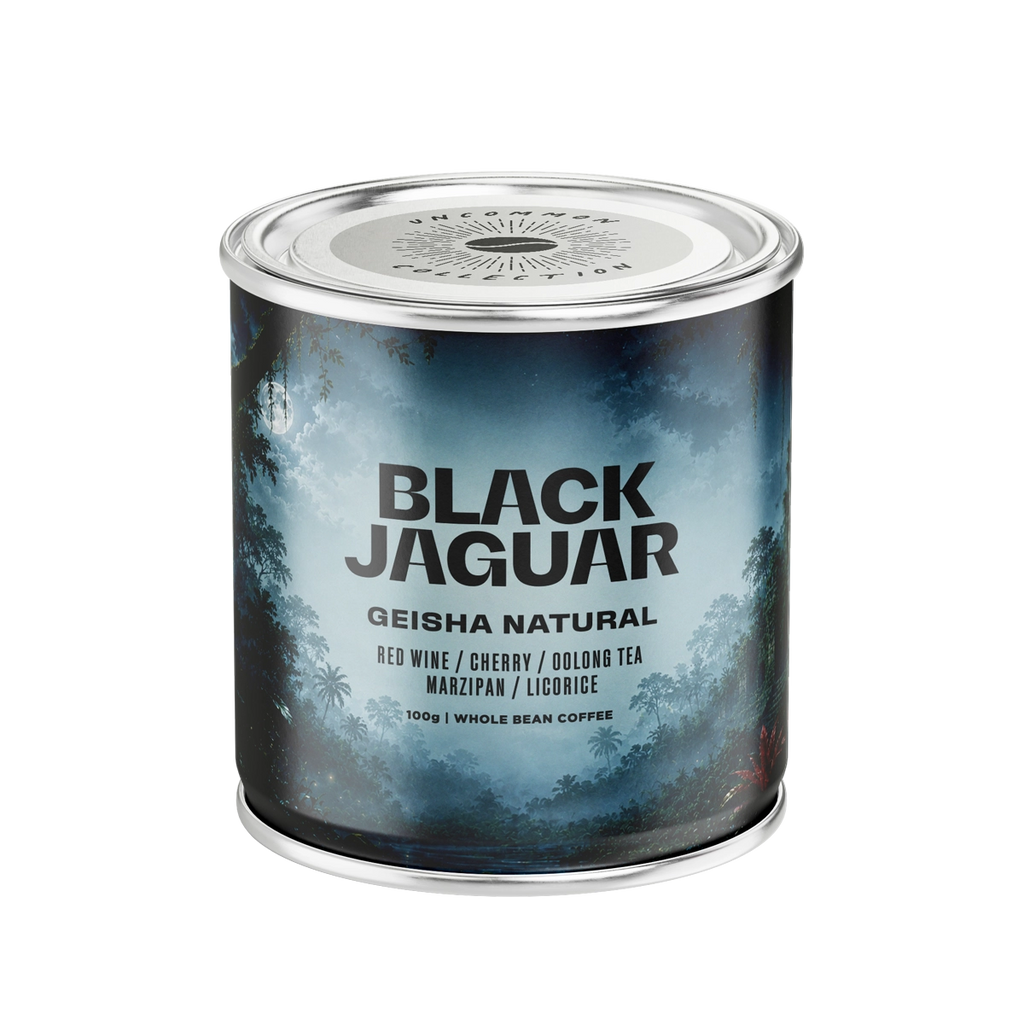
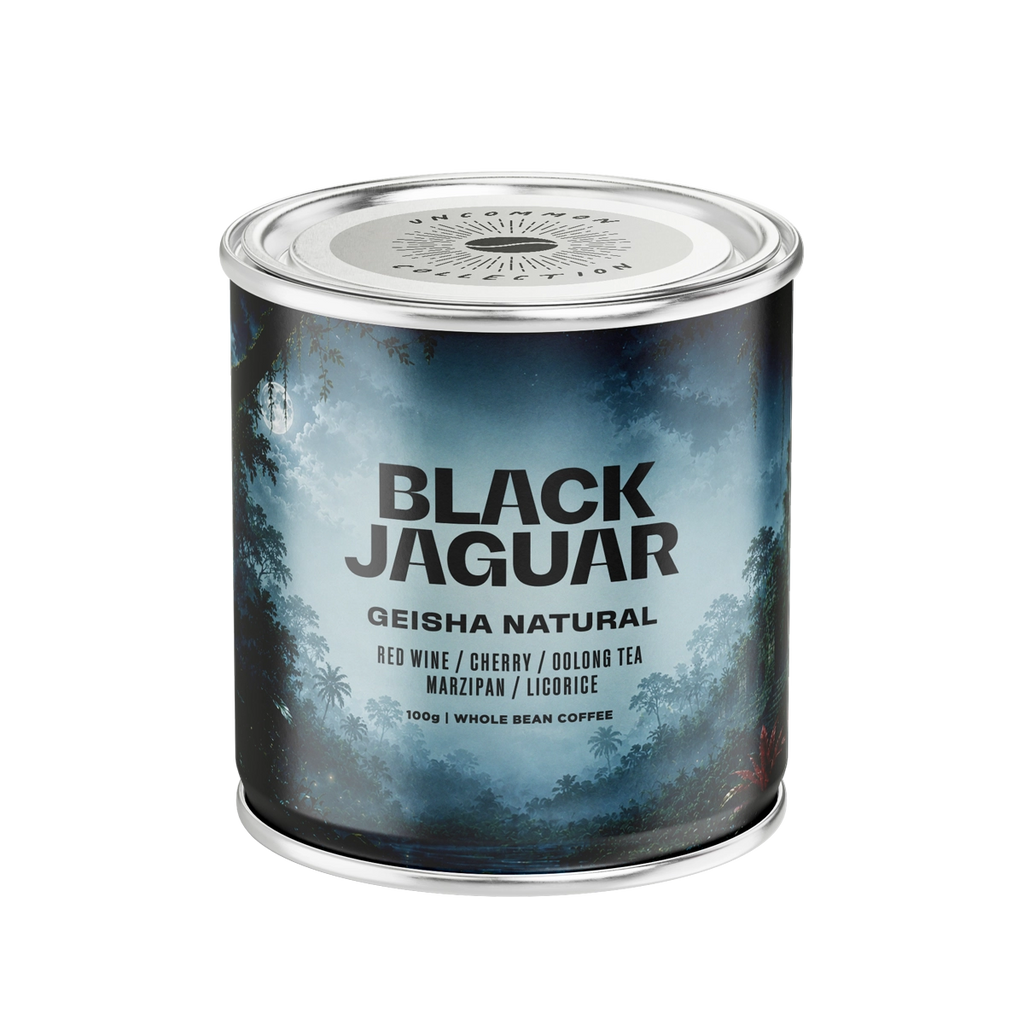
The other recognitions spread across the menu. Uncommon Collection - Black Jaguar Geisha Natural won silver in Filter, Geisha. Uncommon Collection - Finca La Negrita Red Geisha Washed won silver in Filter, Washed. Alter Ego won silver in Filter, Classic Roast Profile. Doppleganger Espresso was named a finalist in Espresso, Classic Roast Profile.
Those categories show different kinds of roasting work, from experimental espresso to classic profiles and milk service. A roaster can build an experimental espresso and still miss the mark on a classic profile. A washed filter can read clean and controlled while a natural Geisha asks for different roast decisions. Milk service brings its own test, because espresso has to stay legible through dairy without turning flat.
The Phil & Sebastian Coffee Awards performance covered those lanes. It also put familiar names beside competition coffees. Alter Ego is one of the roastery's established offerings, while Candy Cloud Espresso and Black Jaguar sit on the more expressive side of the board. That mix is the point. The national title came from breadth across established and expressive coffees.
It earned the gold, then showed again in the flat white category. The awards do not replace tasting, but they give a starting point for the next bag.
What the Double-Blind Judging Process Reveals About Quality
Blind tasting strips away reputation, packaging, and peer influence. A café regular may taste a familiar roaster generously. A buyer may approach a bag with expectations shaped by past lots, café design, packaging, or what peers are already saying. Blind tasting strips that away. It narrows the room to sensory work and execution.
Phil Robertson put the value of the format plainly: "I'm excited about competitions like the Global Coffee Awards because they allow us, as coffee roasters, to be evaluated more objectively, decoupled from our reputation and popularity, and based solely on the quality of the coffee itself."1
Phil & Sebastian has operated since 2007. A known name benefits from recognition, but the same recognition can cloud evaluation. Robertson's point is that the Houston format asked every coffee to stand apart from the roaster's past.
Those words can sound broad until they hit a specific brew. In espresso, balance can mean the difference between a shot that finishes clean and one that shouts acid or roast. In filter, body can support sweetness or weigh down the cup.
Candy Cloud Espresso did not win because a judge recognized a café in Calgary. Alter Ego did not win silver because it was familiar to the roastery's own customers. The entries were evaluated through the same blind structure as the rest of the field, which included coffees from roasteries across the United States and Canada.
The blind format put every coffee in the same flight without packaging, price, or origin story. A producer's lot can stand beside another lot without packaging, price, or origin story in front of the judge. The score comes back to the coffee's presentation in that moment.
The Producer Relationships Behind Hartmann, Shattah and Tadesse
Coffee awards often print the roaster's name in the headline, then leave the farm work in smaller type. The Global Coffee Awards also recognize the producers behind awarded coffees, which fits the way this result was built. Several of Phil & Sebastian's winning entries came from producer relationships that include Ratibor Hartmann, Mauricio Shattah and Tamiru Tadesse at Alo Coffee.
Lot selection, harvest decisions, processing choices and shipping all shape what a barista can pull later. The roaster can preserve, develop and present the coffee, but the raw material sets the ceiling. Phil & Sebastian's own account of the win points upstream to the people who grew and processed the coffees, and the awards structure made room for that chain of work.
Direct relationships are part of the company's public identity. Phil & Sebastian says its coffees are sourced through direct relationships with producing partners around the world, with an emphasis on long-term collaboration, quality and continual improvement. The Houston result gives a concrete way to examine it: six recognitions, multiple categories, named producers behind awarded coffees.
Ratibor Hartmann and Mauricio Shattah appear as long-standing producer relationships in the award coverage. Tamiru Tadesse at Alo Coffee appears as a new addition. That spread matters because sourcing has to do two things at once. It has to protect trusted relationships, and it has to keep tasting forward. A roaster that only repeats safe lots can lose range.
Candy Cloud Espresso and Black Jaguar represent the expressive side of the list. Alter Ego and Doppleganger Espresso bring the familiar café counter into the same conversation. The medals and finalist placement do not tell the full story of those coffees, but they point to a sourcing system with enough range to enter different categories and still score.
Producer names give home brewers a more specific shopping cue than a broadly printed flavour promise. Phil & Sebastian coffees have been tied to Hartmann, Shattah and Tadesse. Producer continuity can be as useful as origin on a bag. Producer continuity can connect coffees across seasons, processing styles and brew methods.
That is the insider read on this award. The headline names Calgary and the roaster, but the useful trail runs through Candy Cloud Espresso, Black Jaguar, Finca La Negrita, Alter Ego, Doppleganger, and the producer relationships behind the awarded coffees.
How to Taste the Winners Without Reading Too Much Into Medals
A coffee that succeeds in those two categories has to answer different questions in the cup.
Does sweetness carry after the shot, or does the cup collapse into bitterness or sharpness? Does acidity feel integrated, or does it sit apart from the rest of the cup?
A flat white changes the test. Dairy softens acidity and changes texture, but it can also mute a coffee that depends on high aromatics alone. At the counter, that means the flat white is a sensible second order rather than an afterthought.
For filter, the three silver results point in different directions. The three silver results point to three different tasks for the roaster: a Geisha natural, a washed filter and a classic profile.
The same brewer, the same water and the same general recipe keep the first pass comparable. A coffee that tasted lean may need a finer grind or a slightly higher dose. A coffee that tastes heavy may need a coarser grind or a lower extraction.
Doppleganger Espresso, the finalist in Espresso, Classic Roast Profile, belongs in a different mood from Candy Cloud. It gives the café regular a reference point for Phil & Sebastian's classic espresso work. Doppleganger shows where the roastery wants a classic profile to sit when judges remove the bag and brand from view.
Candy Cloud and Doppleganger are options for straight espresso drinkers. The Uncommon Collection coffees are options for filter drinkers.
What This Means for Canadian Specialty Coffee
Phil & Sebastian began in Calgary in 2007, founded by Phil Robertson and Sebastian Sztabzyb. The company now operates nine locations across the city. That footprint makes the National Winner - Canada title a local story as much as a competition result. The award returns attention to a roastery whose cafés are part of daily coffee routines in Calgary, from espresso service to bags headed home for the kitchen counter.
The city detail should not get flattened into civic boosterism. The result came from coffee entered in Houston and evaluated blind by independent coffee professionals. Calgary did not win the award by being a good place to drink coffee. A Calgary roaster won because its coffees performed across categories when stripped of name and setting.
That distinction is useful for travelers who plan mornings around cafés. A city can have a coffee scene with handsome counters and busy rooms, but the cup still has to hold up. Phil & Sebastian's six recognitions give a practical reason to add one of its Calgary locations to a morning route. If the filter menu includes one of the recognized Uncommon Collection coffees, ask the barista how they are brewing it that day.
The 2026 Global Coffee Awards US & Canada brought together roasteries from both countries, then named Phil & Sebastian National Winner - Canada after the six recognitions. That title does not settle any argument about the best café in a city, and it does not make every bag from the roastery equal. It does give buyers, baristas and customers a blind-tasted reference for the roaster's current work.
For collectors of coffee, which usually means people who buy small bags and brew them quickly rather than cellar them, the signal is immediate. Those are the threads that may matter more than the trophy when the next roast drops.
The closing pointer is simple. In Calgary, start with the gold-winning Candy Cloud Espresso, then use the filter menu to look for the Uncommon Collection coffees named in Houston. At home, brew the award coffees with attention to balance, sweetness, acidity and body, the same attributes the judges used, and let the cup decide how much the medal means.