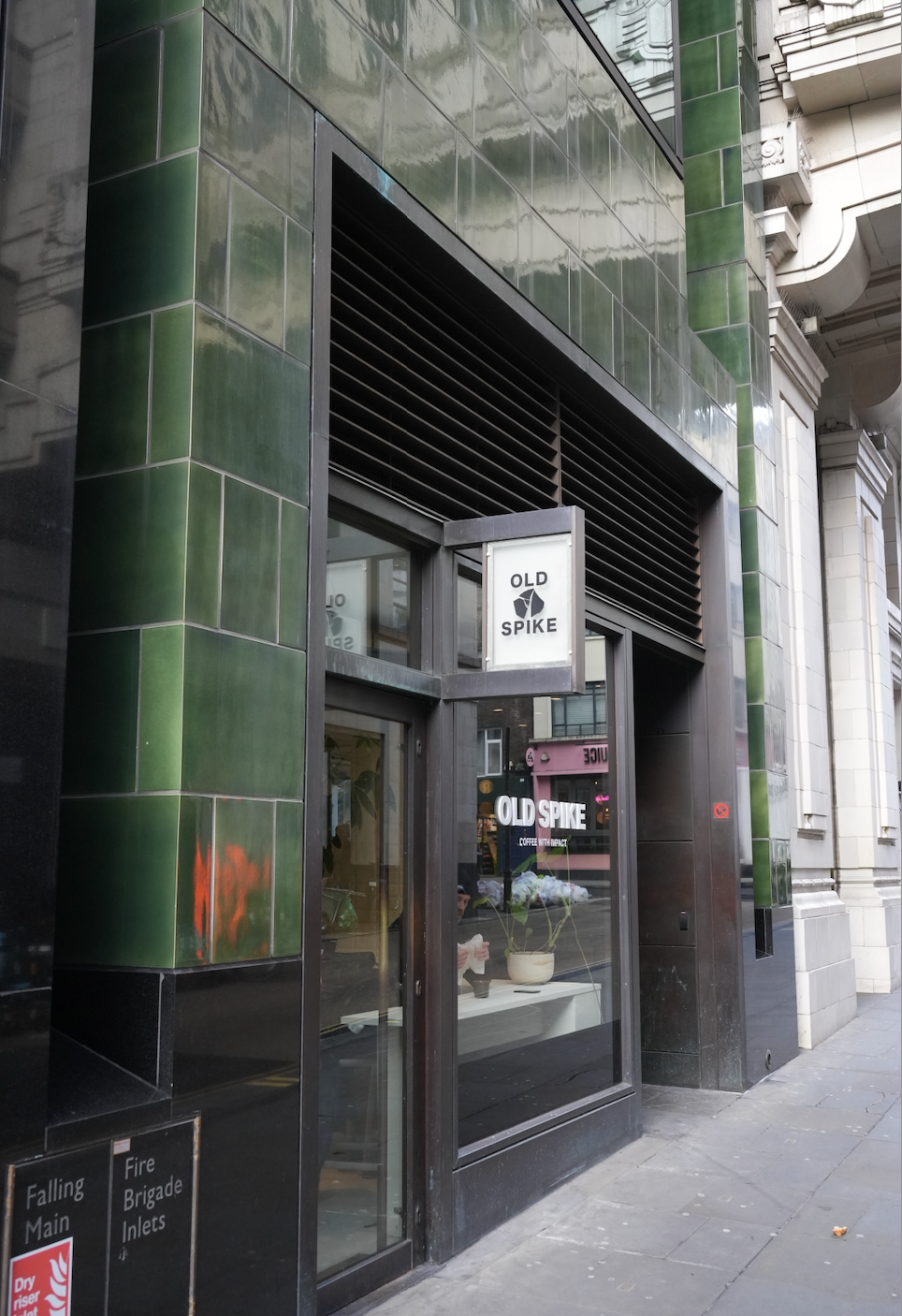
At Old Spike’s new Great Suffolk Street counter, the card reader beeps and the coffee order starts moving, but the payment starts another piece of work too. Square sends the purchase data into a live dashboard, where the sale is counted against training and paid work placements for people experiencing homelessness. Old Spike has opened its seventh London café in Southwark, and the Old Spike Southwark café is the first of the roaster’s seven shops to carry what Old Spike believes is the UK hospitality industry’s first live social impact dashboard.
The screen sits beside the transaction in the working part of the room. A customer pays. Square sends the purchase information into Old Spike’s Impact Dashboard system. The system records the transaction, works out the impact measures and KPIs, then turns the figures into public-facing visuals. Customers read the numbers while coffee is being served.
Old Spike is a London specialty coffee roaster and social enterprise. It roasts at its Brixton roastery, runs seven cafés, supplies wholesale partners across the UK and delivers coffee through an online subscription service. Since opening in 2015, more than 350 people have completed its training course. The new screen in Southwark puts Old Spike's training work into the daily run of orders.
Old Spike Southwark café opens on Great Suffolk Street
The Great Suffolk Street site gives Old Spike a seventh London café and makes Southwark the first location in the group to carry the dashboard. For a roaster with a social enterprise model, Southwark keeps the public-facing part of the work in view after the conversation at the till. The dashboard stays visible after the card reader beeps.
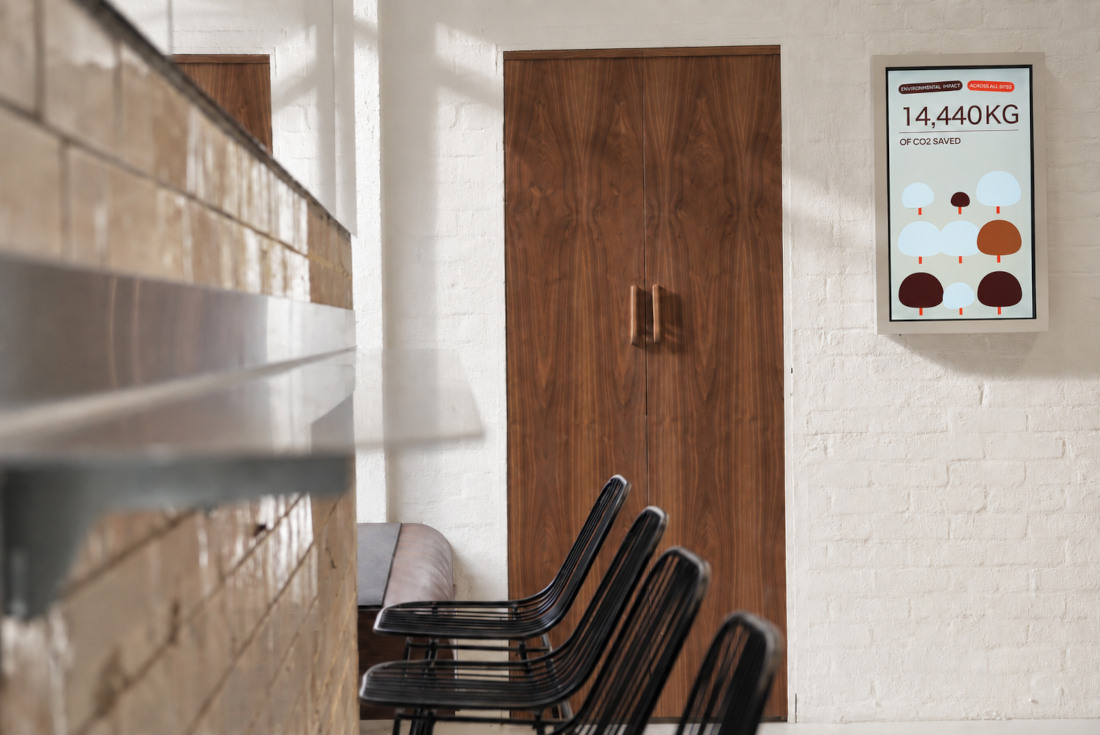
Old Spike works toward employment for people experiencing homelessness. Its Barista Training and Employment Programme provides training, paid work placements and support into lasting work. At the Old Spike Southwark café, those parts of the programme are tied to the same purchase data that already runs through the shop’s payment system.
The screen shows the number of trainees completing the programme, graduates securing lasting employment and the amount paid during work placements. Those are operating figures from the programme. They are also numbers a customer can understand between ordering coffee and stepping back onto Great Suffolk Street.
Richard Robinson, CEO of Old Spike, put the café’s dual purpose plainly: “Old Spike was founded to do two things: roast exceptional coffee and create real paths into employment for people experiencing homelessness.” The new Southwark shop brings the coffee in the cup and the employment pathway on the screen into the same line of sight (Thecaterer).
The Square dashboard turns payments into public figures
The dashboard runs on Square data. When a customer makes a purchase, Square automatically sends the information to the Impact Dashboard system. An animation application then turns those figures into visuals for screens in the café.
Old Spike was founded to do two things: roast exceptional coffee and create real paths into employment for people experiencing homelessness.1
Richard Robinson, Ceo of Old Spike
The purchase begins like any other café transaction, then the same payment data moves into a second layer that customers can see. The steps are payment, data transfer, calculation, animation, and display. Each step uses information already produced by the sale, then makes the connection visible to the person who bought the coffee.
John O’Beirne, CEO of Square International, said Old Spike is using Square transaction data to show how “every single purchase is contributing to helping change people’s lives.” For Square, the project gives payment data a public role beyond settlement and receipts. For Old Spike, it gives the social enterprise claim a live surface in the café.
The Old Spike Southwark café also gives hospitality operators a working example of impact reporting inside a trading space. Many cafés keep social impact on a website page, a poster or an annual update. Old Spike has put it into the retail rhythm, with the same live quality customers already expect from stock systems, delivery tracking and digital ordering.
Southwark is the first café to feature the dashboard, and Old Spike plans to roll it out across all its sites. That gives this opening a short window of first access for London coffee drinkers who want to see the system before it becomes part of the wider group. The Great Suffolk Street screen is the proof point customers can stand in front of now.
Algo built the animations with Rive technology
The public screen uses motion instead of a static infographic. Motion and data-visualisation studio Algo created the dashboard animations, using a modular animation system powered by Rive. Rive is the same technology behind Spotify’s Wrapped campaign. Algo contributed its work free of charge to support the fight against homelessness.
The dashboard has to hold attention in a room where people are watching milk, bags, cups, phones and the front door. A wall of figures can disappear into the furniture. Moving visuals give the numbers a better chance of being seen during the short pause after payment.
The modular system also suits a café group with more than one site. Old Spike plans to place the dashboard across its cafés, so the screen has to handle data that changes across a seven-site business. The technology has to be readable at a glance and flexible enough to update as purchases move through the system.
Old Spike built the display without a separate customer survey or a charity prompt at checkout.
The customer experience stays simple. The screen shows how purchases across Old Spike’s seven cafés contribute to training and paid work placement programmes. For the operator, the mechanics sit behind the counter, where transaction data becomes public evidence of the programme’s activity (Thecaterer).
From Brixton roasting to barista training
Old Spike’s coffee work starts at its Brixton roastery. The company roasts specialty coffee there, then sends it through its own cafés, wholesale partners across the UK and its online subscription service. The Southwark opening adds another retail point for that roasted coffee, but the dashboard changes how the shop tells the rest of the operation.
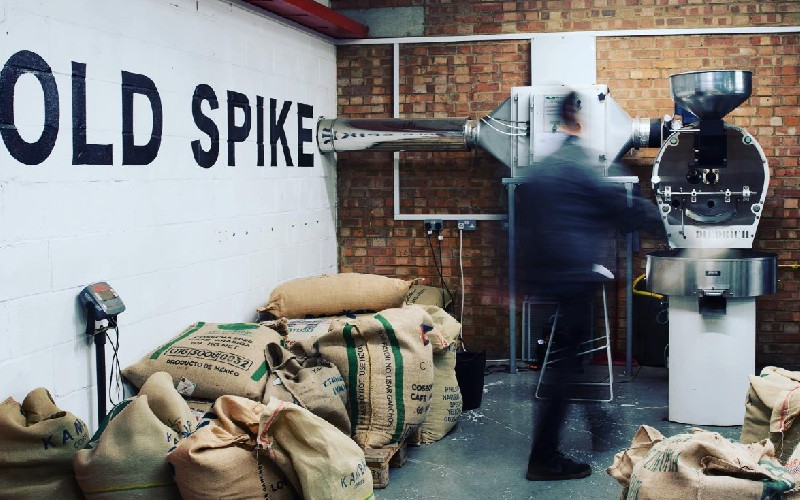
Old Spike’s model ties roasting to training. Old Spike sells coffee and teaches coffee work. The Barista Training and Employment Programme gives trainees practical preparation, paid work placements and support into lasting work.
Hadi, who received training through the programme and now works at the Breakfast Club, one of Old Spike’s employment partners, described the shift in practical terms: “Old Spike’s training programme gave me both practical skills and confidence which I now use on a daily basis. Being given this opportunity meant that I didn’t need to go through a daunting employment screening process as I was able to transfer the skills I gained from the initial programme.”
Barista training is physical work. It involves service pace, drink building, workflow, customer contact and the discipline of turning repeated tasks into paid employability. Old Spike’s dashboard puts the training pipeline in front of the customers who fund it through the daily shop.
The coffee roasted by Old Spike’s Brixton team is the product that carries the model. The cup is the route into the dashboard, the programme and the paid placements. This café is where the purchase starts the data chain.
Why the screen changes the counter conversation
Old Spike puts the impact data at the place where the purchase happens. Social enterprise language often sits away from the order. Old Spike has linked the impact data to the payment system rather than a separate manual count.
The screen points to programme completions, graduates securing lasting employment and amounts paid during work placements.
It also gives staff a clearer way to answer questions. A barista does not have to summarize the whole social enterprise structure from memory while a queue builds. The screen carries the baseline explanation. The team can point to the live display, then keep service moving.
The customer still buys coffee and the till still processes payment.
Old Spike’s figures move through the same daily rhythm as the cafés themselves. Morning rush, lunchtime orders and afternoon trade all appear on the display. The screen gives the programme a pulse at shop speed.
What to watch as Old Spike rolls it out
Old Spike plans to extend the dashboard across all its sites, with Southwark serving as the first café to feature it. If that happens across the full group, customers at each Old Spike counter will see how purchases across the seven cafés contribute to training and paid work placements.

At Old Spike on Great Suffolk Street in Southwark, the coffee comes from the Brixton-roasted programme and the screen is visible after payment. This branch is the only Old Spike café currently carrying the live display.
The opening puts the work where London coffee drinkers can see it: at the counter, after the payment, before the next cup goes out.