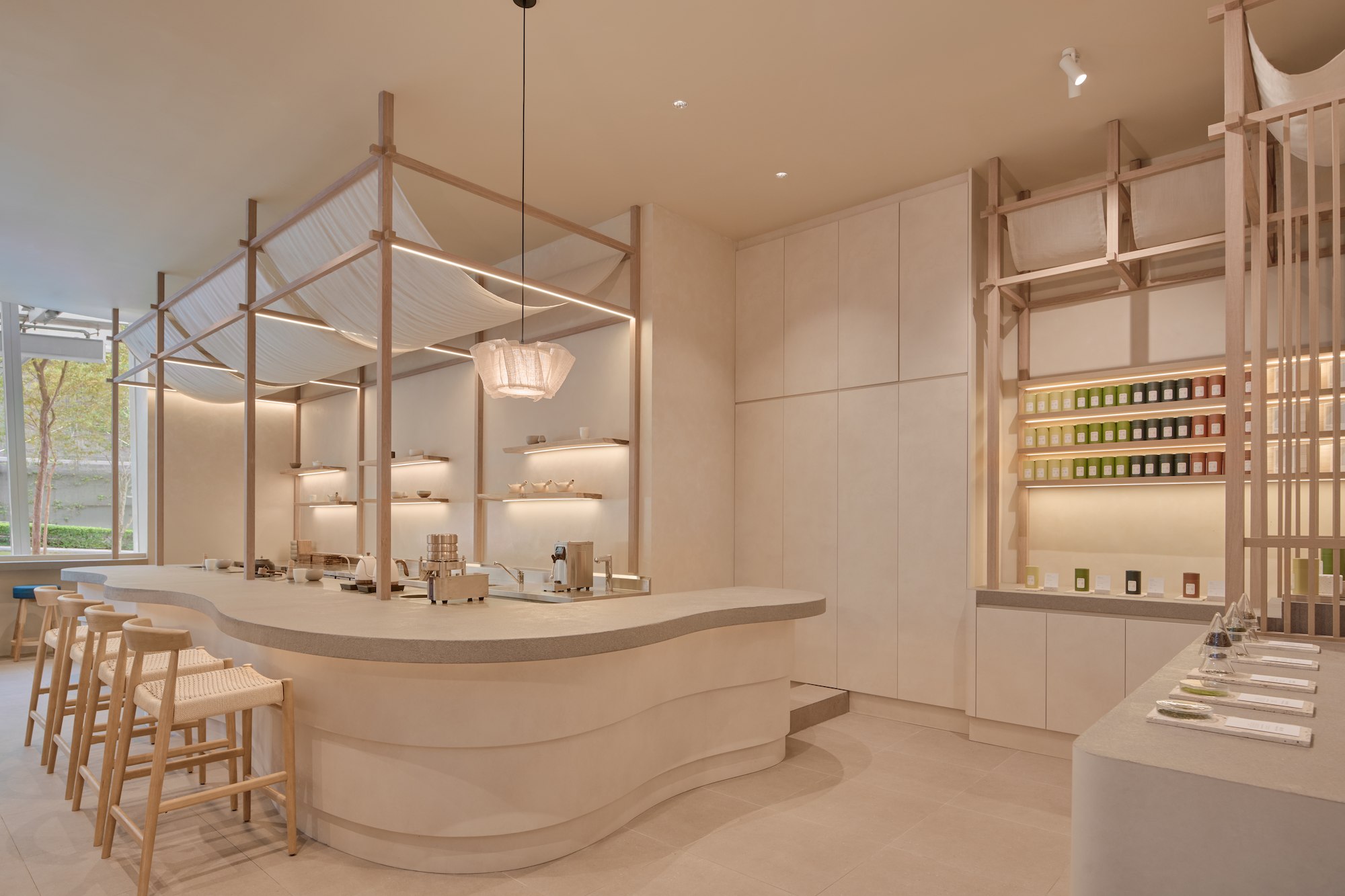
A drink at KOKO Kawane can start as whole tencha in a stainless-steel grinder, then take about 10 minutes before it reaches the cup. KOKO Kawane Star Vista opened on 30 September 2026 at 1 Vista Exchange Green, #01-02, with 15 seats and on-site milling of whole tea leaves from Kawane Matcha in Shizuoka (Thestarvista).
The cafe puts the grind where the customer can measure it: leaf, mill, whisk, cup. KOKO, the Japanese-style patisserie from GAIA Group, has built the Singapore counter with Kawane Matcha, a tea farm in Shizuoka that the Ohashi family has run since the 1600s. Kazuteru Ohashi is the 13th generation running the family farm today (Eatbook).
That lineage gives this new Buona Vista opening a clear frame. The cafe is small, the menu is narrow enough to read closely, and the main decision is whether you want your matcha as a latte, usucha, or a fresh grind added to the drink in front of you. The order tells you how the place works.
Why KOKO Kawane Star Vista starts with Kawane leaf
Kawane is not a volume story. The Shizuoka tea region accounts for only about 2.5% of Japan’s tea output, and Kawane sits among misty mountain slopes along the Ōi River. At KOKO Kawane, that origin is named at the counter rather than buried behind a general matcha label (Thestarvista).
Kawane Matcha traces its farm history back to Somon Ohashi in the 1600s. The current generation is named too: Kazuteru Ohashi, the 13th generation, runs the farm. For drinkers who already ask where coffee was roasted and when bread was baked, that level of naming matters. It gives the latte a farmer, a region and a family line before milk enters the drink.
The collaboration also changes the role of KOKO’s pastry counter. KOKO brings the patisserie structure, led through its Japanese-style pastry work under GAIA Group, while Kawane Matcha supplies the tea identity. The cafe sits at The Star Vista, a mall address, but the language of the place is agricultural: cultivars, first-flush leaves, shaded tencha, rotating tea of the day.
That is the useful part of the opening. KOKO Kawane Star Vista gives Singapore drinkers a way to order matcha by name, not colour. The menu uses Okumidori, Tsuyuhikari and Soemon Blend as drinkable choices, and the grinder makes the material visible before the bowl is whisked.
The 10-minute grind, leaf to cup
The Freshly Ground Matcha of the Day is the counter’s clearest move. It costs $1 as an add-on to a drink, and the tea rotates daily between Okumidori, Tsuyuhikari and Soemon Blend. Staff mill tencha, shaded tea leaves that are steamed and dried, into matcha powder on-site using a stainless-steel grinder calibrated to run at low heat (Eatbook).
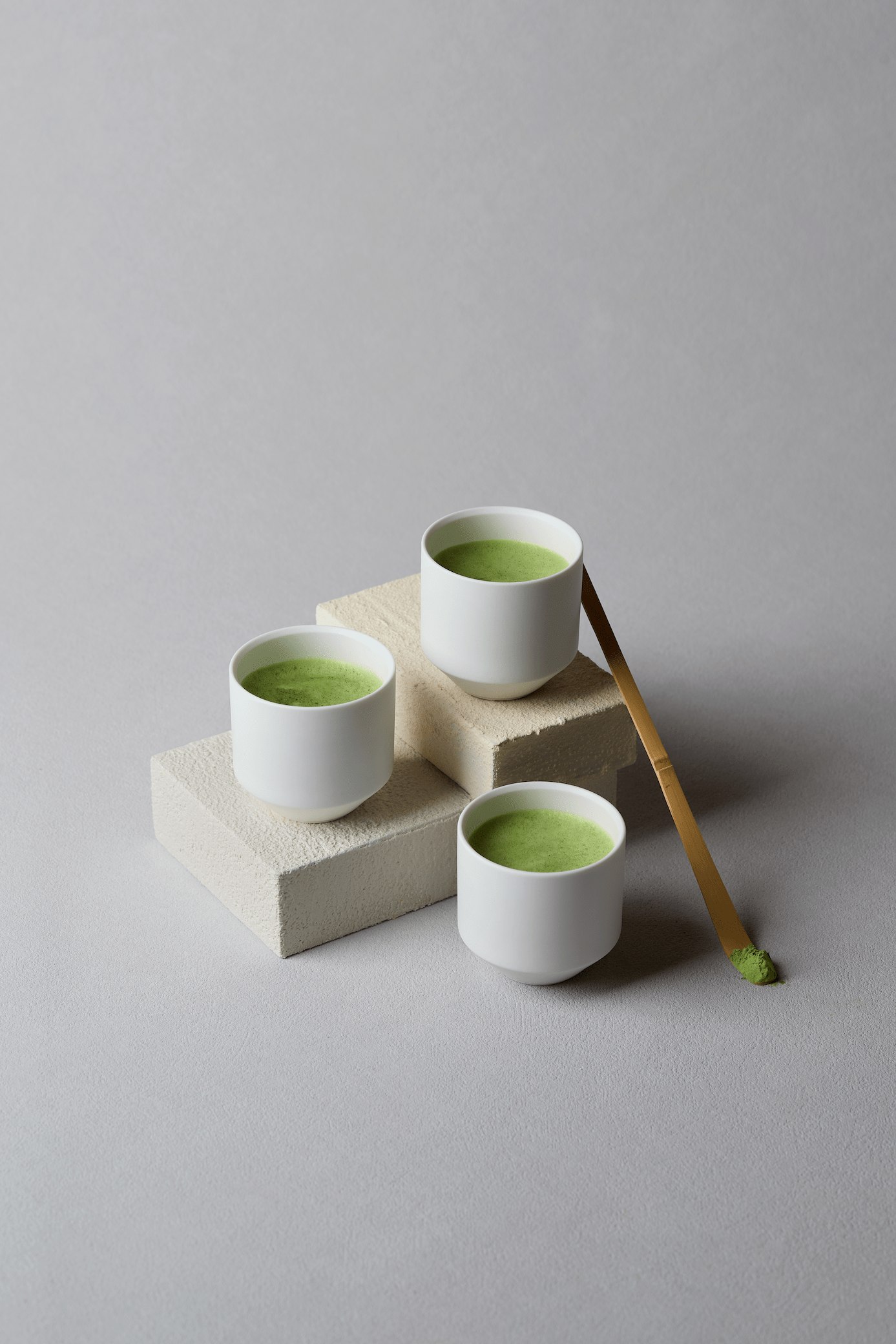
The cafe ties that low-heat calibration to colour and aroma. That is a process detail worth pausing over, because matcha is already powder by the time it reaches many counters. Here, the 10-minute wait is part of the order. If you are timing a quick office run, choose the standard pour. If you have the minutes, add the fresh grind and let the drink begin at the leaf stage.
There is also a tasting advantage in the rotation. Okumidori, Tsuyuhikari and Soemon Blend do not sit on the board as ornamental names. They shape the day’s grind. A regular could return across the week and build a sense of how each tea behaves with milk or water, the same way a coffee drinker tracks a washed Ethiopian against a Brazil blend on espresso.
KOKO Kawane Star Vista is strongest when treated this way: not as a sugar stop, but as a small tea bar where the process is priced into a one-dollar decision. The cafe has made the slowest part of the drink visible, and the time stamp is useful. Leaf to cup takes about 10 minutes (Eatbook).
What to order when the menu branches
Start with the House Blend matcha latte if you want the baseline. At $8.50, it is the lightest of the three matcha lattes, balancing umami with gentle bitterness. It is the best first order for reading the milk, sweetness and texture of the cafe without starting at the top of the price ladder.
The Soemon Blend matcha latte costs $12.50 and carries the most layered description on the menu. It mixes Okumidori, Tsuyuhikari and Yabukita cultivars with other first-flush leaves, with a creamy profile and notes of dashi and nut butter. If you are ordering one drink to understand the Kawane side of the collaboration, this is the one to choose, especially with the $1 Freshly Ground Matcha of the Day add-on when the timing works (Eatbook).
The single-origin Okumidori matcha latte costs $13.50. The draw here is focus: strong umami and a naturally sweet finish, without the blend structure of the Soemon. Order it when you want to compare a single cultivar against the House Blend on a second visit, or when the daily fresh grind is also Okumidori and you want to follow one tea through the cup.
Every latte can be ordered hot or iced, with dairy or oat milk at no extra charge. The default sweetener is raw cane sugar, and you can ask for the drink without it. That option matters with the more expensive cups. If the point is cultivar and finish, less sugar gives the tea more room.
For a water-only read, the dine-in Usucha Flight costs $17. It lines up Tsuyuhikari, Soemon Blend and Okumidori side by side. This is the order for people who usually ask for a filter flight or compare croissants from the same bake at different proof points. Three bowls, one table, no milk to smooth out the differences.
Mei Kubota’s pastries keep pace with the bowl
The pastry case comes from KOKO head pastry chef Mei Kubota, who works with Japanese flavours and French technique. The useful move is to choose one pastry that speaks the same language as the drink, then stop there. This is not a menu that needs to be cleared in one sitting.
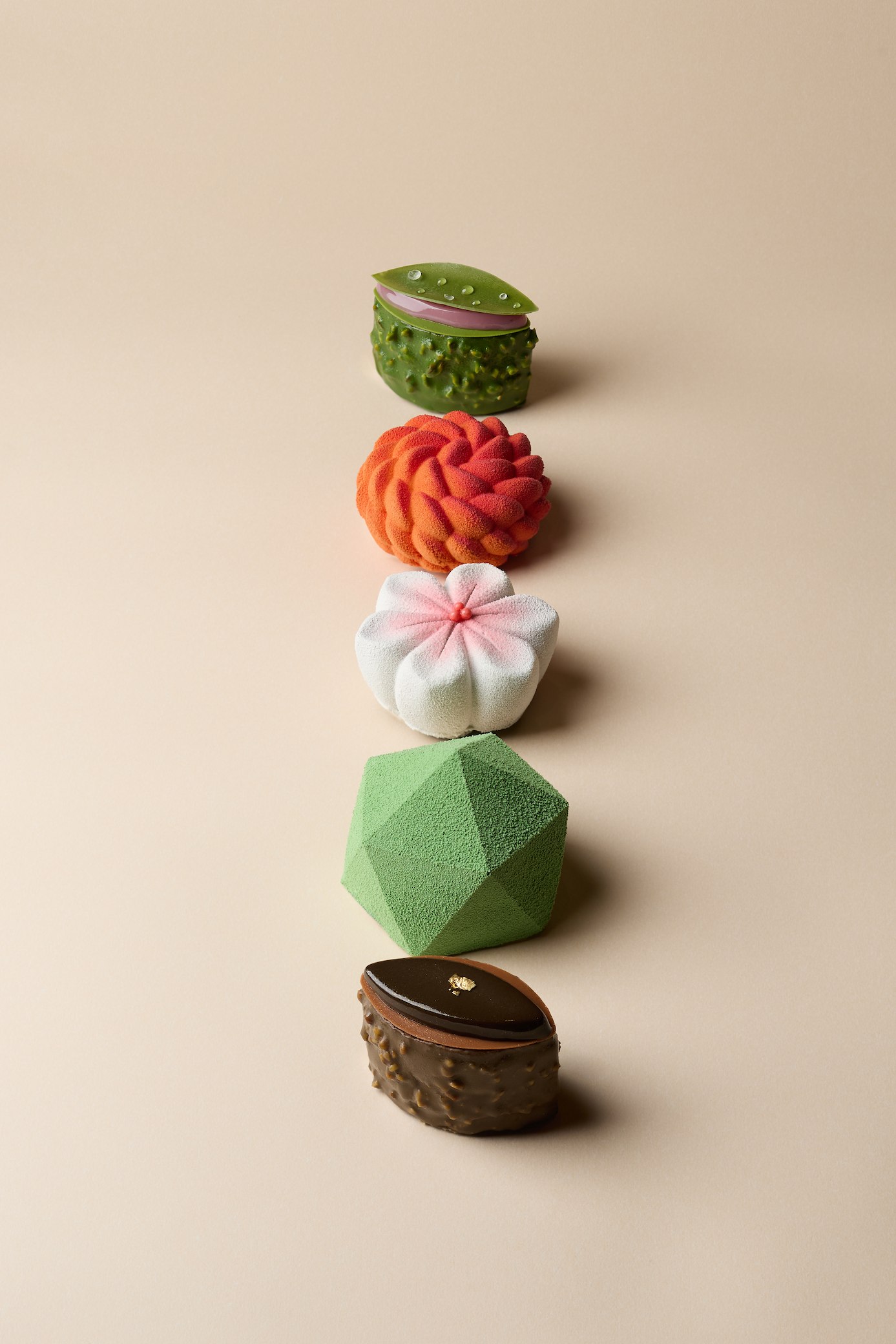
Midoba costs $10 and is shaped like a fresh tea leaf. Inside the matcha chocolate and hazelnut shell are almond sponge, matcha crémeux, raspberry jam and matcha crunch. Order it with a matcha latte when you want the tea to run through both cup and pastry, with raspberry doing the bright work against the matcha and nut structure.
Kohaku, also $10, is the hojicha counterpart. It layers hojicha sponge and crémeux with hazelnut praline and passionfruit jam. Pair it with the medium-roast Hojicha Latte, which costs $8, if roasted tea is the better fit for your afternoon. Hojicha often reads differently from matcha in a milk drink, and this order keeps the roasted leaf at the centre of both plate and cup.
The ochagashi pairing costs $15 and gives you tea with a small sweet chosen to match it. That is the tidiest dine-in order for the 15-seat room: one tea, one sweet, one pairing decision made by the counter. It also suits the cafe’s scale. KOKO Kawane is built for focused tasting, not for spreading six plates across a laptop table.
Fifteen seats at The Star Vista
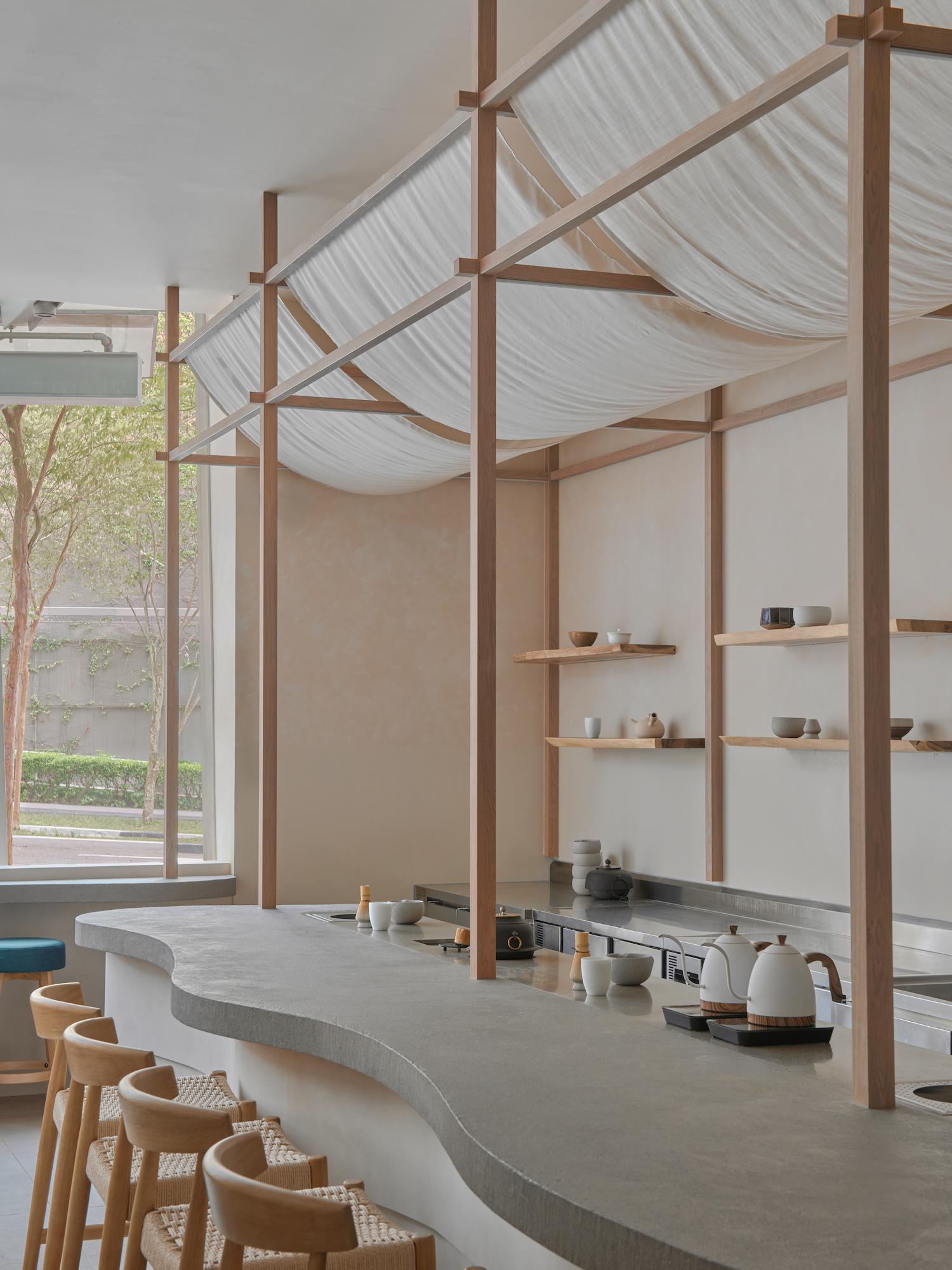
The room has only 15 seats. That single number should shape the visit more than any menu hack. The matcha bar uses curvy counters and tables inspired by rolling tea hills, with floor-to-ceiling windows bringing daylight into the small space. It reads like a sit-down tasting counter inside The Star Vista rather than a long-stay study cafe.
KOKO Kawane is located at 1 Vista Exchange Green, #01-02, The Star Vista, Singapore 138617. Opening hours are daily from 10am to 9pm, with last orders at 8.30pm. The cafe is not halal-certified. If the Usucha Flight or the 10-minute fresh grind is the reason for the trip, arrive with time to sit, because the flight is dine-in and the room does not have many seats to absorb a queue.
The practical order is clear. For a first visit, take the Soemon Blend matcha latte, add the Freshly Ground Matcha of the Day if you can wait the 10 minutes, and choose Midoba if you want pastry. If you prefer to taste without milk, take the $17 Usucha Flight and let Tsuyuhikari, Soemon Blend and Okumidori sit side by side.
Why cultivar names matter here
KOKO Kawane Star Vista arrives with the details that make a counter easy to revisit: the farm, the person running it, the grinder, the cultivars, the prices and the number of seats. The cafe does not need a long menu to hold attention. It needs the daily tea rotation to keep moving and the grinder to keep doing its work in public.
Watch the Freshly Ground Matcha of the Day. If the rotation stays legible and the staff keep naming the leaf before it enters the mill, this 15-seat counter could become the kind of place where regulars return for the day’s cultivar rather than the cafe’s newest drink.