At noon EDT on Wednesday, Sept. 23, a roaster refreshing the online auction board will see a first for this fundraiser: 132 pounds of anaerobic natural-process robusta from Great Cherry in Dak Lak, donated by Crop to Cup, with an 86 cupping score and a $5.75-per-pound starting price. The Grounds for Health auction returns online Sept. 23-24, 2026, as the nonprofit marks 30 years of work in coffee-growing regions and reports more than 265,000 women screened for cervical cancer through its programs.
That pairing, green coffee on one side of the ledger and cervical cancer prevention on the other, is the shape of the event. The annual Grounds for Health green coffee and equipment auction gives roasters a short buying window, a donated table of coffees and tools, and a practical way to put origin-facing health work into the cost of a release. The auction opens Wednesday, Sept. 23, at noon EDT and closes Thursday, Sept. 24, at 6 p.m. EDT, according to the event announcement.
The why-now is not subtle. Grounds for Health is using the 2026 sale to mark three decades of work in coffee-growing communities. The organization says its programs have helped more than 265,000 women receive cervical cancer screening and more than 22,000 receive preventive treatment. It currently operates programs in Ethiopia and Kenya. Since the auction began in 2009, it has raised more than $1.05 million for the organization’s programs. Last year’s auction generated $28,424, according to auction records cited in the announcement.
What the grounds for health auction offers roasters in 2026
The lot list reads like a green buyer’s desk during harvest planning: Colombia, Costa Rica, Ethiopia, Honduras, Rwanda, Guatemala, Kenya, Sumatra, and Vietnam. The lineup spans multiple origins, processing methods, and lot sizes, with donations coming from importers, producers, and coffee companies. For a cafe roaster, that matters. A donated auction lot can become a single-origin espresso, a one-week filter feature, a staff training coffee, or a retail bag with the nonprofit’s impact numbers printed beside the origin and process.
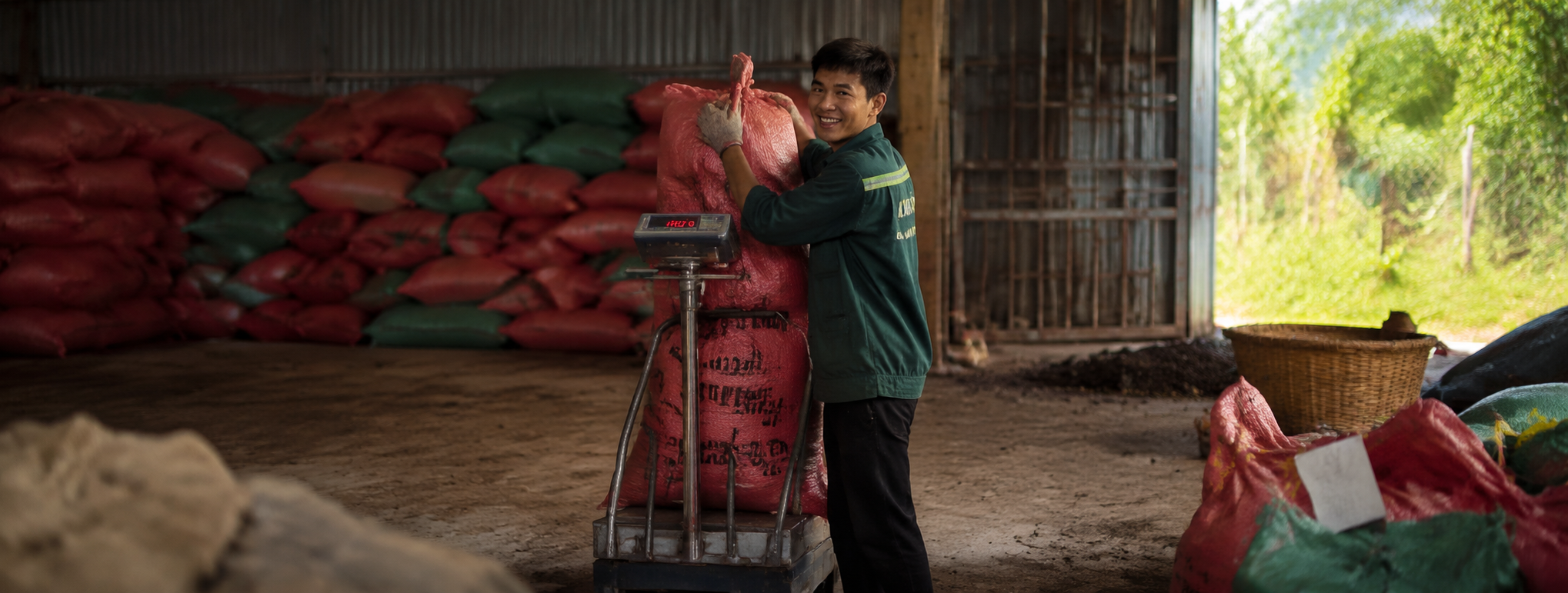
The first Vietnam coffee in the auction’s history is the piece to watch. Organizers describe the Crop to Cup donation as the first coffee from Vietnam in Grounds for Health auction history. The 132-pound lot comes from producer Great Cherry in Dak Lak. It is an anaerobic natural-process robusta, carries an 86 cupping score, and opens at $5.75 per pound. Those details give a buyer enough structure to do real planning before the bidding starts: a manageable lot size, a defined process, an origin that has not appeared in the auction before, and a score that gives the coffee a place in a quality-focused menu conversation.
Do not invent tasting notes before cupping it. The sourced details already give the coffee its tension: robusta, anaerobic natural process, Dak Lak, 86 points, 132 pounds, first Vietnam lot in this auction’s run. If a small roaster wins it, the release can teach customers more than another flavor wheel. It can put Vietnam’s coffee work in front of drinkers who still too often meet the country through category shorthand rather than producer names.
Walker Coffee, named in the announcement as a longtime donor, is contributing three lots. Those include a washed-process coffee from Antigua, Guatemala, a wet-hulled, FTO-certified coffee from Sumatra, and a washed-process Kenya AA coffee. Each one gives a roaster a different production language to work with on the cupping table. Washed Antigua. Wet-hulled Sumatra. Washed Kenya AA. Three concise labels, each carrying a different path from cherry to green.
The equipment side matters too. San Cristobal has donated a custom sample roaster. For an operation that cups incoming coffees, checks roast curves, or trains staff on development shifts, a sample roaster is not a decorative auction item. It is a bench tool. It changes how a team evaluates green coffee before committing production time, batch size, and retail copy.
The health work behind the green coffee lots
Grounds for Health’s numbers keep this event from becoming another specialty coffee buying exercise with a charity line attached. The organization says more than 265,000 women have received cervical cancer screening through its programs. More than 22,000 women have received preventive treatment. Those figures sit behind every lot on the auction page, and they set a higher bar for how roasters talk about the purchase once the coffee lands.
The nonprofit currently operates programs in Ethiopia and Kenya, both coffee-producing countries that also appear in the 2026 auction’s origin map. The source does not state that a particular auction lot funds a particular clinic, and a careful roaster should not claim that at the register. The stronger, safer statement is still clear: auction proceeds support Grounds for Health programs focused on cervical cancer prevention in coffee-growing communities.
That distinction matters. Specialty coffee has a habit of turning origin stories into hangtags. Here, the discipline is to keep the claim exact. If a cafe buys a lot through the Grounds for Health auction, it can tell customers the purchase helped raise money for the organization’s programs. It can name the nonprofit’s reported screening and treatment numbers. It can name the origins in the sale. It should not add a clinic address, a beneficiary count per pound, or a treatment number per bag unless the auction materials provide it.
For a barista on bar, the script can stay short. This coffee came through the Grounds for Health auction. Grounds for Health has worked in coffee-growing regions for 30 years. The organization says its programs have helped screen more than 265,000 women for cervical cancer and provide preventive treatment to more than 22,000 women. That is enough. The facts do the work.
Justin Mool, Grounds for Health Auction Manager, framed the auction announcement around that connection between the coffee industry and access to care in coffee-growing communities. He also pointed to roasters and retailers as buyers who can purchase coffee and equipment while supporting women at origin. Put that at the center of the release, not as a footnote after tasting language.
Vietnam enters through Crop to Cup and Great Cherry
The Vietnam lot gives the 2026 Grounds for Health auction its cleanest scarcity signal. Crop to Cup donated the coffee. Great Cherry produced it in Dak Lak. It weighs 132 pounds. It is an anaerobic natural-process robusta. It carries an 86 cupping score. It starts at $5.75 per pound. Every one of those details helps a roaster decide how to use it.
For a small cafe-roastery, 132 pounds is a lot size with limits. It is not endless. It asks for a plan before the roast date. A buyer could reserve part of the lot for a focused retail release, part for a brew bar feature, and part for staff calibration. The planning has to stay at the green coffee level until the winning bidder roasts and cups it.
The process language is already enough to make the coffee a conversation at the counter. Anaerobic natural-process robusta is not a neutral phrase in a market where many drinkers still associate robusta with commodity blends or crema-heavy espresso. The auction listing pushes against that reflex by attaching a producer, a region, and a cupping score. Great Cherry. Dak Lak. 86. That is the order of information a cafe should keep intact when the coffee appears on a menu board.
The first-in-auction detail also gives the lot urgency without needing a sales pitch. Organizers describe it as the first Vietnam coffee in Grounds for Health auction history. If a roaster wants one coffee from this sale that can carry a staff training session, a customer tasting, and a retail story, this is the one to watch. Bid on it because it widens the auction’s origin map and because the facts are concrete enough to stand up on a bag label.
Walker Coffee, San Cristobal, and the donor bench
The auction is not built around one headline lot. The current donor list includes Balzac Brothers, Coffee Shrub, Crop to Cup Coffee Importers, Dean’s Beans Organic Coffee, Genuine Origin, La Minita Coffee, InterAmerican Coffee, San Cristobal Coffee Importers, Sucafina, Sustainable Harvest, and Walker Coffee Trading. That spread matters because it keeps the sale from reading like a single importer’s offer sheet. It gives bidders a broader table of origins, processes, and lot sizes.
Walker Coffee’s three donated lots deserve a close look because they cover three distinct green coffee lanes. The washed-process Antigua, Guatemala lot gives roasters a familiar Central American structure to evaluate. The wet-hulled, FTO-certified Sumatra lot brings a different post-harvest method into the mix. The washed-process Kenya AA lot puts a grade and process right in the name. The practical move is to match each lot against an actual menu need rather than chase origin names alone.
San Cristobal’s custom sample roaster belongs in the same conversation as the coffees, not in a side category called equipment. Sample roasting is where a green buyer learns whether a coffee wants heat early, whether it can tolerate a longer development window, and whether a production profile is worth building. Buyers should not assume fit. But the presence of a custom sample roaster in the auction does widen the bidder pool beyond roasters looking only for green coffee.
Additional donations are accepted through Sept. 18, according to the announcement. That gives the auction one more deadline before the bidding clock begins. Roasters planning to participate should treat the current list as a working board and check it again before noon EDT on Sept. 23. The best auction buys often come from reading the full table, not chasing the one lot everyone has already circled.
How $1.05 million since 2009 changes the buying frame
Since the Grounds for Health auction began in 2009, it has raised more than $1.05 million for the organization’s programs. Last year’s auction generated $28,424. Those two figures give the 2026 sale its scale: long-running enough to have passed the million-dollar mark, still specific enough that each year’s total can be read and remembered.
For a roaster, that scale changes the buying frame. This is not simply a procurement exercise, and it is not only a donation. It is both. A buyer still has to run the coffee through the ordinary tests: landed cost, roast performance, menu placement, wholesale interest, retail price, staff training time. The auction does not remove those questions. It adds another one: how clearly can the cafe explain where the money goes without stretching the facts?
A clean explanation will beat a loud one. Grounds for Health marks 30 years of work in coffee-growing regions. The organization reports more than 265,000 women screened for cervical cancer and more than 22,000 women receiving preventive treatment through its programs. It currently operates programs in Ethiopia and Kenya. The auction has raised more than $1.05 million since 2009. Those are the claims to print, speak, and repeat.
The audience for this auction is also wider than the person with the green buying spreadsheet. Retailers can use an auction lot to train staff on origin, processing, and nonprofit accountability. Cafe owners can turn a winning lot into a cupping event without inventing theater around it. Production roasters can show newer staff how a small lot moves from sample roast to production batch to brew bar. The work is practical. The health impact gives it a longer horizon.
Bidding times, what to chase, and how to prepare
The online auction opens Wednesday, Sept. 23, at noon EDT and closes Thursday, Sept. 24, at 6 p.m. EDT. Those times should go on the same calendar as roast production, payroll, and green coffee contract deadlines. A 30-hour auction window is short enough that a bidder who waits until the second afternoon without a ceiling price may end up making decisions too quickly.
Start with the coffees that match an actual use. If your cafe needs a limited filter release with a clear talking point, the Crop to Cup Vietnam lot from Great Cherry in Dak Lak is the thing to chase. It is the first Vietnam coffee in the auction’s history, it is 132 pounds, it is anaerobic natural-process robusta, and it carries an 86 cupping score. If your roastery needs a more familiar washed profile for staff calibration, look at Walker Coffee’s washed Antigua, Guatemala lot or washed Kenya AA lot. If your buying desk wants a different processing lane, the wet-hulled, FTO-certified Sumatra lot from Walker belongs in the sample set.
For equipment, the San Cristobal custom sample roaster is the item to evaluate with sober measurements. Ask what you need from a sample roaster before you bid: batch size, workflow, installation requirements, repeatability, and whether it fits the way your team already cups. The source confirms the donation, not the specifications, so the due diligence belongs to the buyer.
The better cafe release will not bury the nonprofit under flavor copy. It will put the facts where customers can read them. Lot name. Donor. Producer when provided. Origin. Process. Auction date. Grounds for Health’s 30-year mark. Screening and preventive treatment numbers. If the coffee tastes good on batch brew at 1:16 or as espresso at a ratio your bar already uses, say that after you have roasted and dialed it in. Until then, keep the promise tied to the sourced details.
Watch the Grounds for Health auction as both a buying event and a measure of how specialty coffee talks about responsibility at origin. The most useful outcome will be coffee that roasters can serve with precision, and a set of claims about women’s health work that stay as exact as the roast log beside the sample tray. Artefice maps the cafes and bakeries worth planning a morning around. Subscribe for the next counter worth queuing at.
Frequently Asked Questions
When does the Grounds for Health auction open and close in 2026?
The Grounds for Health auction opens Wednesday, September 23, 2026, at noon EDT and closes Thursday, September 24, 2026, at 6 p.m. EDT. This gives roasters a 30-hour buying window to bid on donated green coffee lots and equipment.
What is the first Vietnam coffee being offered at the grounds for health auction?
The first Vietnam coffee in the auction's history is a 132-pound lot of anaerobic natural-process robusta from Great Cherry in Dak Lak, donated by Crop to Cup. It carries an 86 cupping score and starts at $5.75 per pound.
How much money has the grounds for health auction raised since 2009?
Since the auction began in 2009, it has raised more than $1.05 million for Grounds for Health's cervical cancer prevention programs in coffee-growing communities. Last year's auction alone generated $28,424.
What origins are available in the 2026 auction lot list?
The 2026 auction includes coffees from Colombia, Costa Rica, Ethiopia, Honduras, Rwanda, Guatemala, Kenya, Sumatra, and Vietnam. The lots span multiple processing methods and lot sizes, donated by importers, producers, and coffee companies.
What equipment is being auctioned besides green coffee?
San Cristobal has donated a custom sample roaster for the 2026 auction. This bench tool allows roasting operations to cup incoming coffees, check roast curves, and train staff on development shifts before committing to production batches.