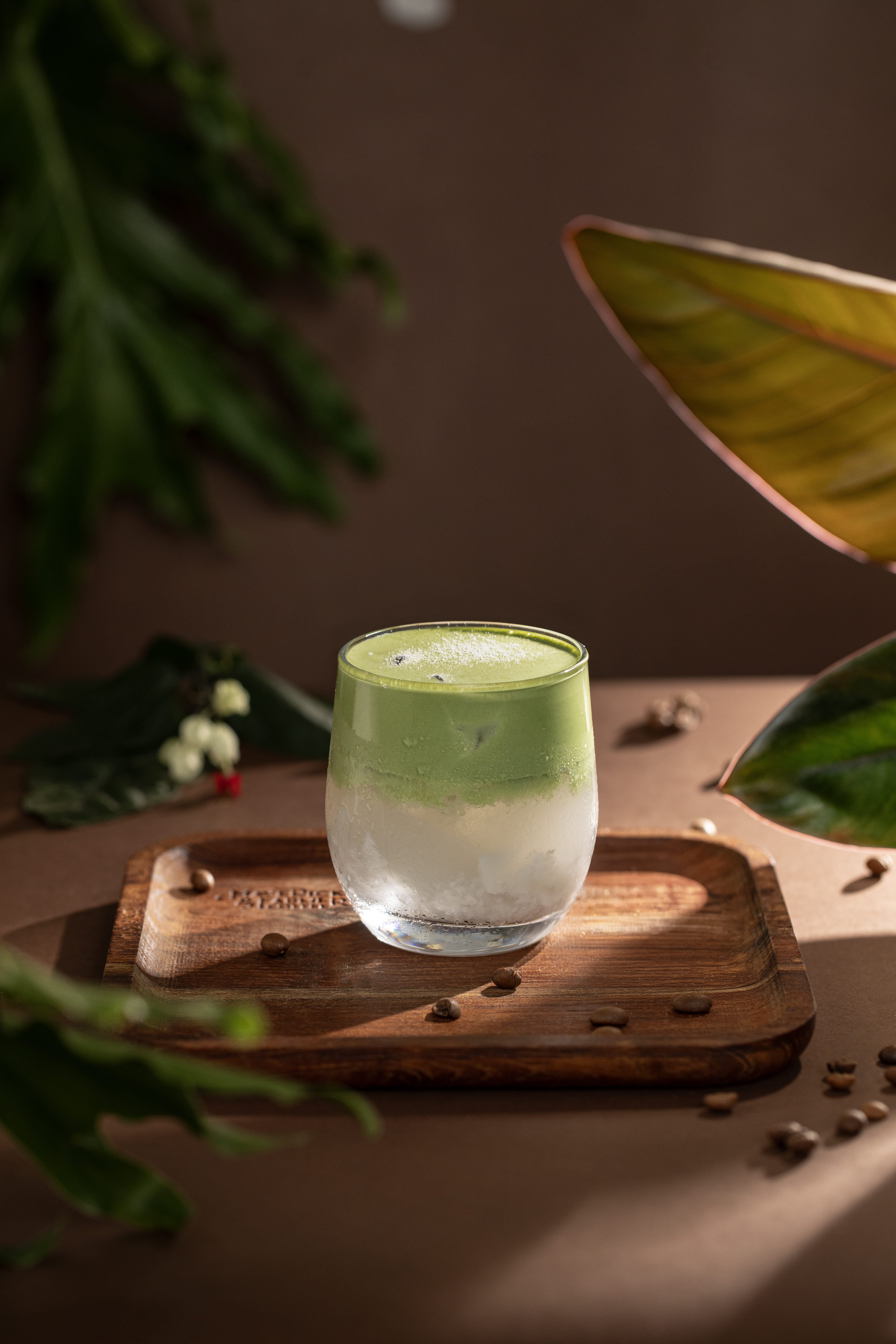
Five kilograms is a trial lot. A few busy counters could move through that amount quickly in iced matcha lattes, desserts, and service tests. The price still lands hard: Japanese matcha costs Indian cafes Rs 11,000 to 22,000 ($115 to $230) per kilogram, and India adds a 100% customs duty on imported matcha. Jalan now sells his matcha to cafes at Rs 5,000 to 5,500 ($53 to $58) per kilogram (Freshcup) (Freshcup).
Chota Tingrai matcha lowers the powder cost for cafes selling iced matcha lattes. The harder work comes after the price quote. Baristas, buyers, and customers still have to decide whether Assam matcha can sit beside Uji, Shizuoka, and Kagoshima on a menu where origin carries as much weight as color.
Why Chota Tingrai matcha matters now
Jalan runs Chota Tingrai Tea Estate in Assam as a fourth-generation owner. Assam already has the leaf, labor, and estate structure for tea production. An Indian estate has to make a powdered tea that cafes want to whisk, blend, store, and sell under the matcha name.
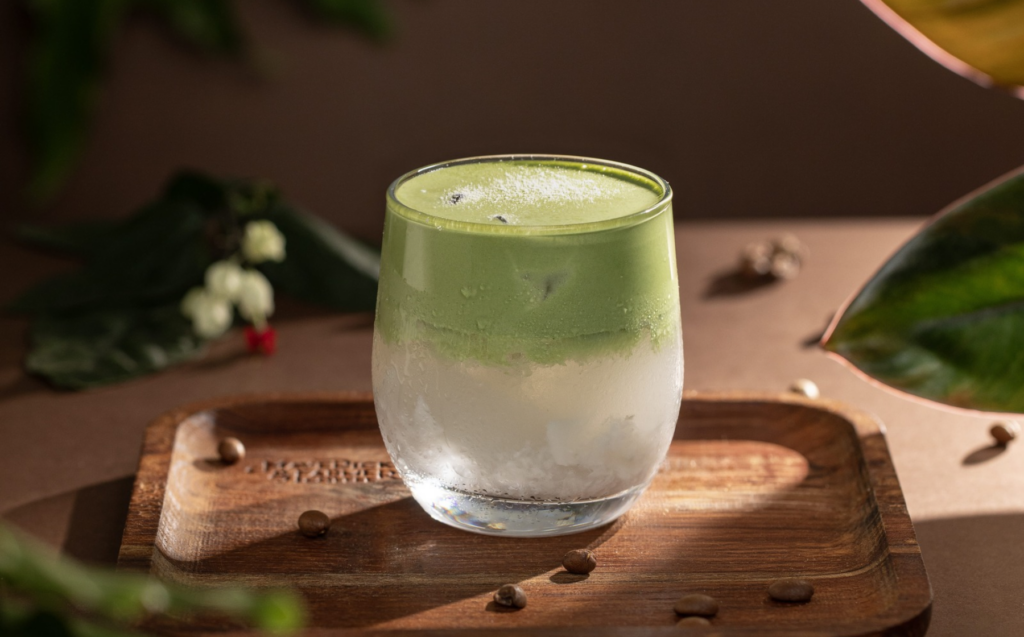
The first commercial answer came in June 2024, when Chota Tingrai Tea Estate produced the 5kg batch. In July, Jalan put the lot up for auction, where it sold for Rs 3,000 ($31) per kilogram. Against standard Assam tea, that price sits far above the usual range. Standard Assam tea sells for Rs 130 to 350 ($1.40 to $3.70) per kilogram. This season’s exceptional black tea lots topped Rs 1,100 ($11.50) per kilogram (Freshcup) (Freshcup).
The same Rs 3,000 auction price reads differently. He was sourcing it then at Rs 11,000 to 13,000 ($115 to $136) per kilogram. More recently, his costs rose to Rs 21,000-22,000 ($220 to $230) per kilogram. Rachel David, founder of Bengaluru-based Ela Matcha, has consistently paid Rs 18,000 to 24,000 ($189 to 252) for one kilogram of matcha (Freshcup) (Freshcup).
Since late 2024, matcha-only bars and cafes have opened across India’s bigger cities. The Indian matcha market is estimated at $104 million and is expected to grow to $167 million by 2030, according to Deloitte India. Since late 2024, matcha-only bars and cafes have opened across India’s bigger cities, while coffee chains have added matcha drinks to existing boards (Freshcup).
The price gap at the cafe counter
At Rs 21,000-22,000 per kilogram, a barista has to weigh the powder carefully. A cafe selling iced matcha lattes has to price imported green tea powder into milk, ice, garnish, staff time, waste, and the powder lost during service. At Rs 21,000-22,000 per kilogram, the margin changes with every extra gram.
Jalan’s current cafe price of Rs 5,000 to 5,500 per kilogram gives buyers room to test matcha in places where Japanese import pricing narrows the menu. Hotels, restaurants, cafes, confectionery businesses, and brands beginning with matcha are the buyers he is targeting. He has branded the product “matcha Assamica” to separate it from Japanese matcha.
Standard Assam tea at Rs 130 to 350 per kilogram belongs to a different service model. A matcha latte at a specialty counter depends on color, suspension, bitterness, aroma, and how the powder behaves with milk. A lower kilogram price still leaves cafes to train staff to dose, whisk, store, and present the drink.
D’abreo has sourced matcha from Uji in Kyoto and has trialed tea grown in Kagoshima. The move was driven by freshness concerns as much as price. Bulk procurement and repackaging into smaller batches expose matcha to oxygen, which affects color and flavor. The newer vendor offers smaller 2g packs, a service detail that protects the powder through daily use.
Smaller 2g packs limit oxygen exposure between the storeroom and the bar, keeping the powder closer to the green color and flavor that customers expect. Chota Tingrai matcha enters that same discipline. A local powder can reduce duty and freight pressure, and cafe teams still judge the cup after storage, scooping, whisking, milk contact, and a rush-hour queue.
Taste profile vs Japanese standards
Jalan describes matcha Assamica as distinct from Japanese matcha. He positions it around a different palate and a different use case. Indian consumers, he has said, have mostly met matcha through lattes and desserts, where milk and sugar soften the umami and bitterness of the powder.
For a cafe, “smoother” has practical consequences. A powder that reads softer in milk may work well in iced lattes, baked goods, desserts, and drinks where fruit, spices, or coffee share the glass. That is the immediate market Jalan is pursuing. He hopes to improve quality enough for standalone service later, where water, whisking, and powder have fewer places to hide.
That distinction matters because Indian cafes are not using matcha in one way. At Maverick & Farmer, D’abreo initially pushed a traditional Japanese preparation, whisked matcha served concentrated like an espresso shot or diluted with hot water. The milk version performed better. The plain version drew limited uptake. Even now, traditional matcha accounts for only 5 to 8% of the matcha beverages sold at the chain, though it has repeat customers.
David took another route at Ela Matcha. She opened the physical outlet in February 2024 after nearly a year of matcha pop-ups and skipped the traditional option. Her menu puts matcha into lattes with turmeric and cinnamon, strawberry or banana blends, chai matcha, and a South Indian filter coffee dirty matcha. In those drinks, matcha acts as one ingredient among several.
Meher Kohli, co-founder of Mumbai-based Tokyo Matcha Bar, adds another buyer’s lens. For drinks with milk and desserts, she looks for matcha with a strong, balanced flavor that can hold itself in a build with other ingredients. Chota Tingrai matcha has to taste approachable while remaining noticeable in drinks.
The cafe adoption problem
The first reorder from a cafe is the hardest sale. A cafe that has already trained staff around Japanese matcha, printed menus, built supplier relationships, and taught customers what shade of green to expect in the cup is the real test.
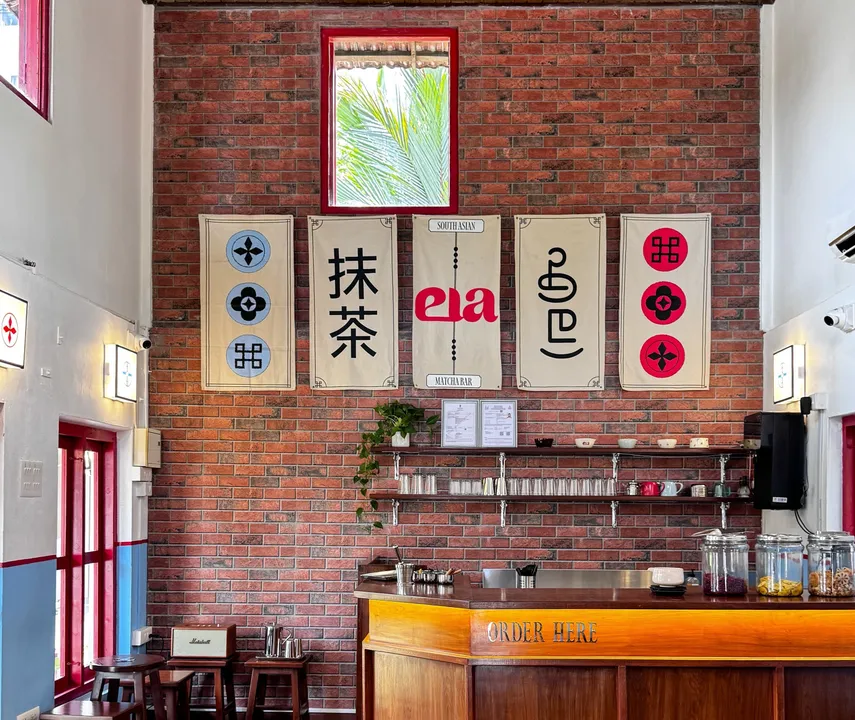
David’s supply decision at Ela Matcha explains the caution. She has sourced from Shizuoka since her early pop-up period and stayed with the same vendor. For a business built around one ingredient, continuity becomes part of the product. If a matcha cafe changes powder, regulars notice color, foam, aroma, and bitterness before they read the origin line.
D’abreo faces a different version of the same issue at Maverick & Farmer. The brand is built around coffee and adds matcha for customers who may order for color, sweetness, and refreshment. He has leaned into visual appeal and flavor pairings, including fruit compote foam, because customers responded to color and presentation.
If traditional whisked matcha is only 5 to 8% of matcha beverages at Maverick & Farmer, then the first commercial use for an Assam matcha may be the latte, the dessert, the hotel beverage program, or the bakery item. If traditional whisked matcha is only 5 to 8% of matcha beverages at Maverick & Farmer, then the first commercial use for an Assam matcha may be the latte, the dessert, the hotel beverage program, or the bakery item where matcha needs to be clear but not severe.
Cafes will compare Chota Tingrai's Assam, matcha Assamica, and its lower price with Japanese matcha's Uji, Shizuoka, Kagoshima, freshness, pack size, color retention, and supplier reliability. A powder earns a menu place when the tenth drink tastes like the first.
What to watch at Indian matcha bars
At Maverick & Farmer in Goa or Bengaluru, the plain whisked preparation, if on offer, gives the clearest read on bitterness, creaminess, and color. The iced matcha latte shows what most customers are actually buying. The gap between whisked matcha and an iced matcha latte is the market Chota Tingrai matcha has to cross.
Ela Matcha in Bengaluru serves chai matcha, South Indian filter coffee dirty matcha, and a spice-infused latte. Those builds explain why Jalan is aiming first at culinary-grade use. The powder needs to carry through milk, spice, coffee, fruit, or dessert without turning harsh or muddy.
Buyers want landed price per kilogram, color after opening, clean foaming, milk stability, repeat quality, and a 5kg commercial batch from June 2024. How does the powder hold color after opening? Does it foam cleanly under the whisk? Does it stay clear in milk? Can the supplier repeat the same quality after the first lot? Chota Tingrai Tea Estate answered the production question with a 5kg commercial batch in June 2024. The cafe counter will show whether the powder works in real service.
A cafe adoption signal would be a cafe that names matcha Assamica on the menu, trains its baristas to dose it consistently, and keeps ordering after customers have tasted it in the cup.