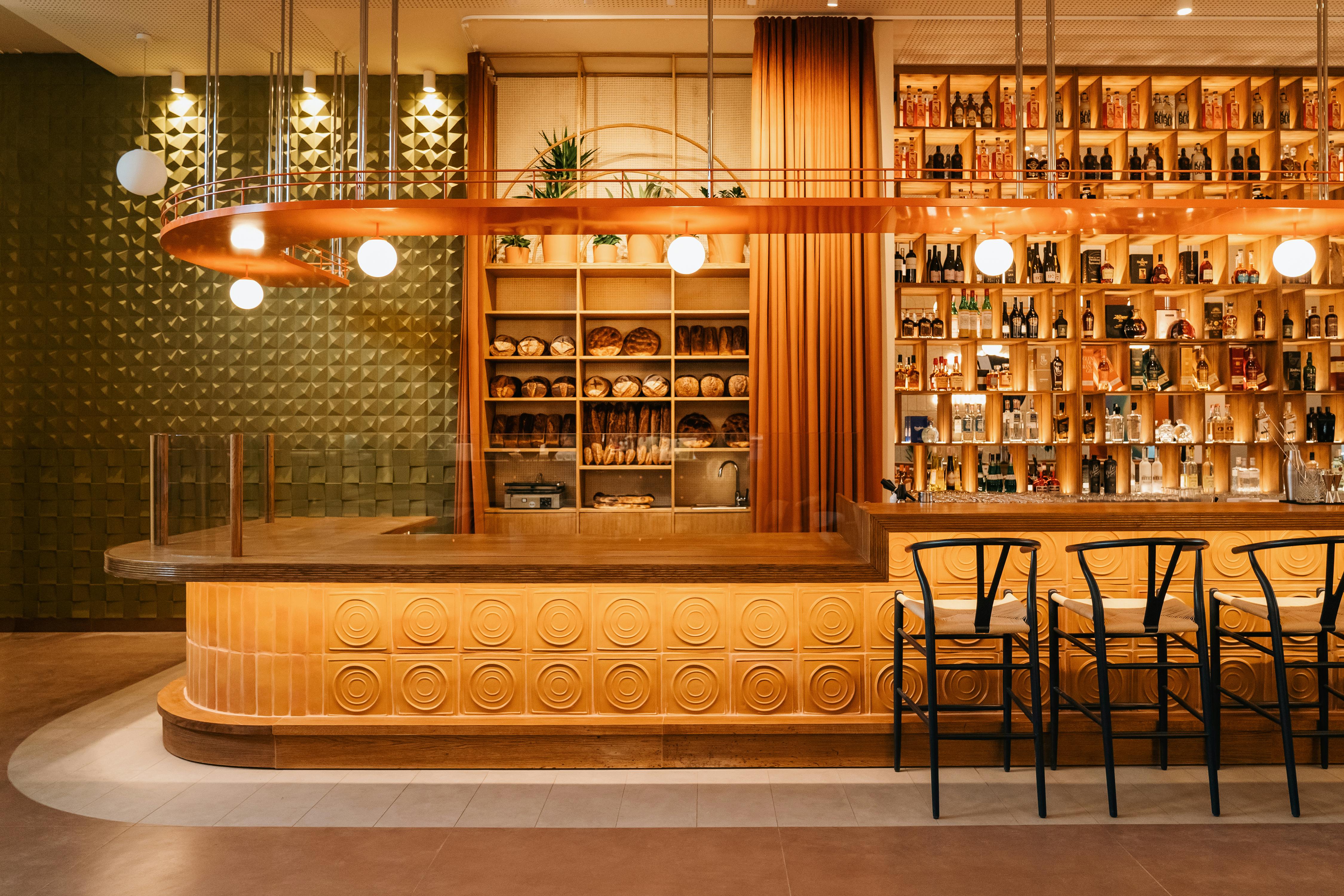
At 6:45 a.m., service begins at Boogie Bakery & Bistro, the New York City opening where Delmonico's Hospitality Group has put a European sourdough brand, a Croatian smart fermenter, and an all-day bistro under one roof. Boogie Bakery Bistro NYC opened Thursday as the first U.S. location of the European brand, using AI-fueled fermentation technology from Boogie Lab to make sourdough in about three to four hours (Nrn).
The opening puts Dennis Turcinovic, owner and executive culinary partner of Delmonico's Hospitality Group, at the Boogie Bakery & Bistro counter. This counter starts with bread made on site, from a three-ingredient dough of flour, water and salt, and a patented fermentation method that uses no commercial yeasts or additives.
A three-to-four-hour sourdough cycle changes when a loaf can come out of the oven, how often a bakery can refill the shelf, and how a dinner menu can use bread baked during service. Turcinovic framed the project around the three-to-four-hour sourdough cycle.
"Real sourdough has always come down to flour, water, salt, and time. Time has always been the hard part. It's what makes good sourdough slow to make and costly to buy. Our process removes that barrier without cutting corners, so we can bake fresh all day and keep prices fair."
Boogie Bakery Bistro NYC puts Delmonico's at a bakery counter
Boogie Bakery & Bistro is the first U.S. location of a European brand, and the New York opening comes through Delmonico's Hospitality Group, the company behind Delmonico's steakhouse in New York City. It is a bakery, a bistro, and a bar, with service stretching from breakfast into dinner.
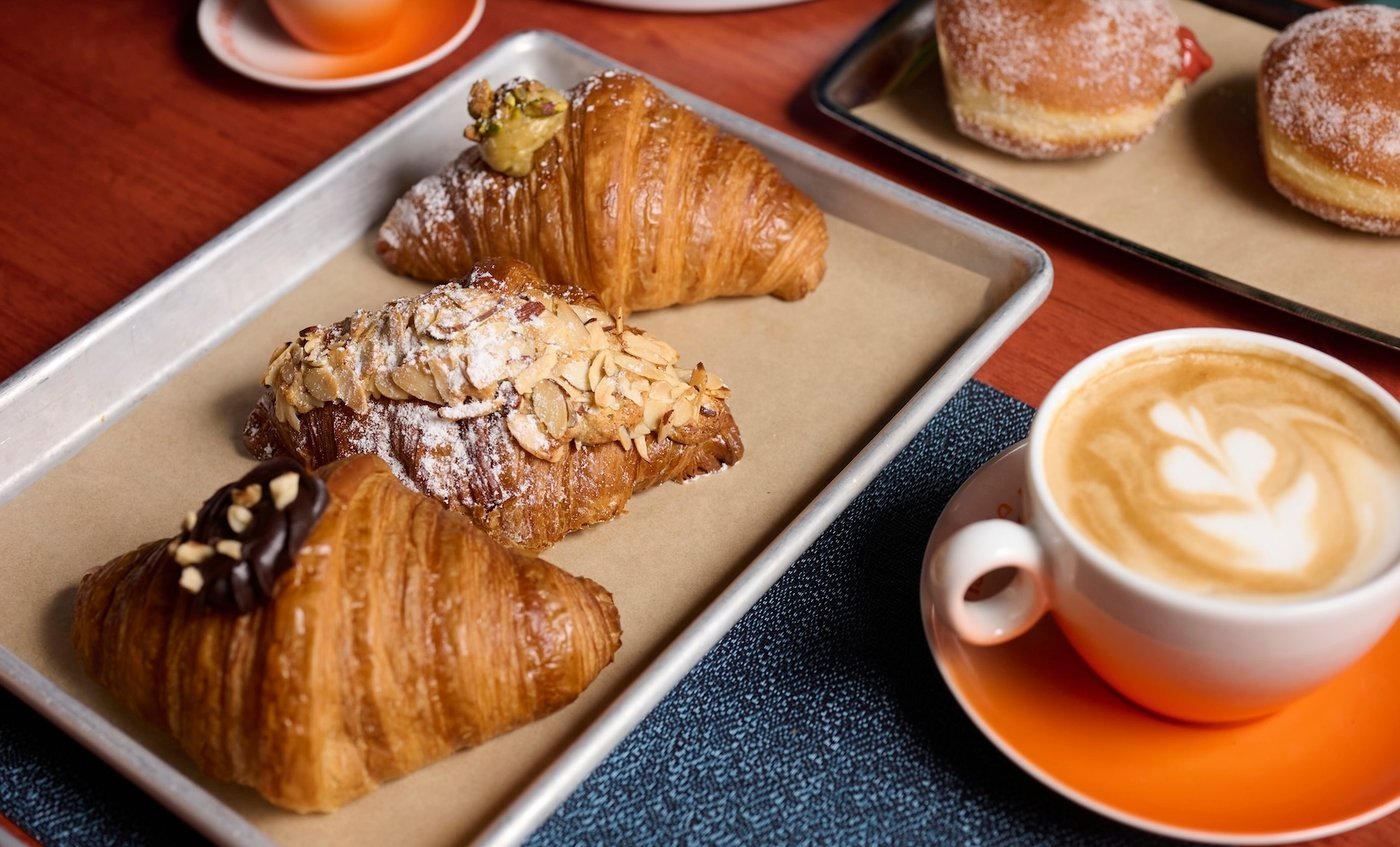
The format runs on two schedules. The bakery is open daily from 6:45 a.m. to 7 p.m. The bistro serves Monday through Saturday from 5 p.m. to 10 p.m. The venue serves breakfast, lunch and dinner six days a week, so the bread has to work across several services instead of staying in one morning lane (Nrn) (Nrn).
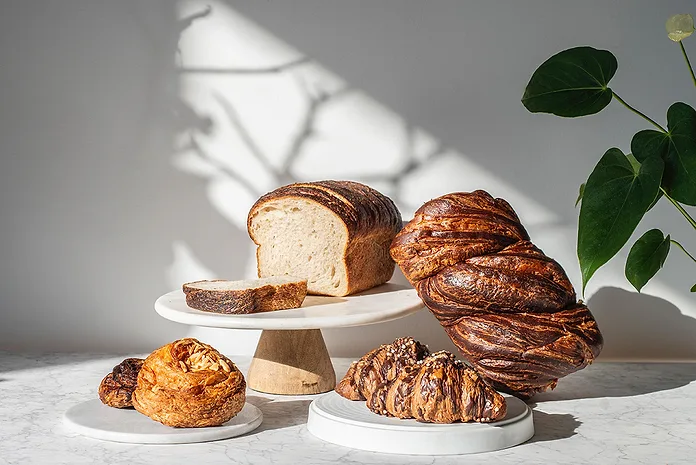
Boogie Bakery Bistro NYC treats sourdough as a main attraction. Whole loaves sit alongside pastries, sandwiches and sourdough pizza. At dinner, Adam Plitt, Delmonico's group executive chef, moves the bread system into bistro dishes such as Sourdough Mushroom Lasagna, Chicken Milanaise and Steak Frites. There are appetizers, salads and a charcuterie plate, too.
Turcinovic described the venue as a neighborhood restaurant first, with the bread doing the first bit of talking. His line is direct: "You walk in, you smell the bread, and you know it was made here today." Turcinovic described the venue as a neighborhood restaurant first. The customer meets the technology through a loaf, a warm room, and the timing of the next bake.
The three-ingredient sourdough process behind the bread
Boogie Lab, based in Croatia, developed the AI-fueled smart fermenter used at the New York bakery. The system is designed for the variables that make sourdough hard to scale: temperature, humidity and altitude can all affect fermentation. Boogie Bakery uses the patented method to start each loaf with flour, water and salt, without commercial yeast or additives.
Fermentation has to do the work. The smart fermenter gives Boogie a way to manage that work with consistency while keeping the process inside a sourdough frame.
About three to four hours is shorter than the timeline many sourdough bakers build around starters, folds, bulk fermentation and proofing. Boogie Bakery Bistro NYC faces the commercial problem of baking sourdough all day in a restaurant that opens early and continues into dinner service.
The three-to-four-hour window lets the bakery bake for breakfast, lunch and dinner. If a bakery can produce bread in a three-to-four-hour window, it can think about the shelf differently. It can bake for breakfast traffic, then for lunch sandwiches, then for a dinner service that still smells like bread.
Adam Plitt's menu follows the bread from morning to night
Adam Plitt developed the menu under his role as Delmonico's group executive chef. The opening lineup includes pastries, sandwiches, sourdough pizza and whole loaves, then turns toward bistro plates at night. The menu names Sourdough Mushroom Lasagna, Chicken Milanaise and Steak Frites among the dinner entrees.
A whole sourdough loaf is the first test. It exposes the three-ingredient method. There is no sauce to explain texture, no sandwich filling to distract from crumb and crust, no dinner plate architecture to steer the experience.
At dinner, the second order is Sourdough Mushroom Lasagna. That dish brings the bread identity into the bistro kitchen. Plitt's menu uses the sourdough program across breakfast, lunch and dinner.
Sourdough pizza sits between the bakery schedule and the dining room. It belongs to the bakery schedule and the dining room at the same time. A sourdough pizza dough has to carry fermentation flavor while still eating like a service item that can move through a kitchen. The loaf shows how the bakery bakes, and the pizza shows how the kitchen uses the bake.
Boogie Bakery & Bistro has a bar for dinner service. Boogie Bakery & Bistro is built as an all-day restaurant, so the sourdough has to survive contact with several kinds of appetite: a pastry in the morning, a sandwich at lunch, a loaf for home, a bistro plate after 5 p.m.
Why the fermenter changes the bake schedule
A bakery often builds its day around fixed bake windows. Once the morning loaves are gone, the shelf can thin out fast. Boogie's process targets that pressure point. The patented method allows the team to produce true sourdough in about three to four hours, which gives the bakery a chance to bake throughout the day (Fsrmagazine).
Consistent fermentation helps only if the bread still eats like sourdough and if the staff can manage the rhythm of mixing, fermenting, baking and serving. In a restaurant setting, the timing has to meet the counter and the dining room at once.
Temperature and humidity matter because fermentation responds to the room around it. The Boogie Lab system is meant to help control those variables, along with altitude, so a bakery can make bread more consistently. That promise matters in a city where daily volume can punish any slow process.
For customers, the technology should show up in the ordinary details: a loaf available later than expected, sandwich bread that tastes connected to the morning bake, and dinner service that still carries the smell Turcinovic described. Boogie Bakery Bistro NYC will make its case in those repetitions, service by service.
The U.S. expansion starts with New York and New Jersey
Delmonico's Hospitality Group plans to grow the Boogie Bakery concept in the U.S. The New York opening is the first step, and a New Jersey production plant is planned to open this fall for wholesale bread production. Bread will still be made on site at Boogie Bakery.
That split is important. On-site baking gives the New York restaurant its smell, its counter rhythm and its claim to daily freshness. A production plant points toward scale. Boogie Lab breads are already distributed in Europe as wholesale products and in supermarkets, so the U.S. plan has a model beyond a single dining room.
Consistency matters to the U.S. expansion. A one-off bakery can absorb the quirks of one room, one baker and one oven schedule. A concept built for growth has to repeat the product across new settings. The smart fermenter sits at the center of that question.
For Delmonico's Hospitality Group, Boogie Bakery & Bistro moves the company into a bakery-bistro format where breakfast and lunch matter as much as dinner. Dennis Turcinovic connects the project to the group, Adam Plitt connects it to the kitchen, and Boogie Lab supplies the fermentation technology. New York supplies the first U.S. audience.
When to go and what to order first
The bakery opens daily at 6:45 a.m. and runs until 7 p.m., which gives morning regulars, office commuters and late-afternoon loaf buyers a long window. For dinner, the bistro runs Monday through Saturday from 5 p.m. to 10 p.m.
At lunch, that points to a sandwich or sourdough pizza. At dinner, Sourdough Mushroom Lasagna is the plate that keeps the sourdough name at the center of the dish. Steak Frites connects the bistro to the Delmonico's orbit.
Boogie Bakery Bistro NYC makes a direct bet: AI-assisted fermentation can sit inside a bakery where the customer still judges by smell, timing and the loaf carried out the door. The New Jersey plant planned for this fall will use the same sourdough process at wholesale scale.