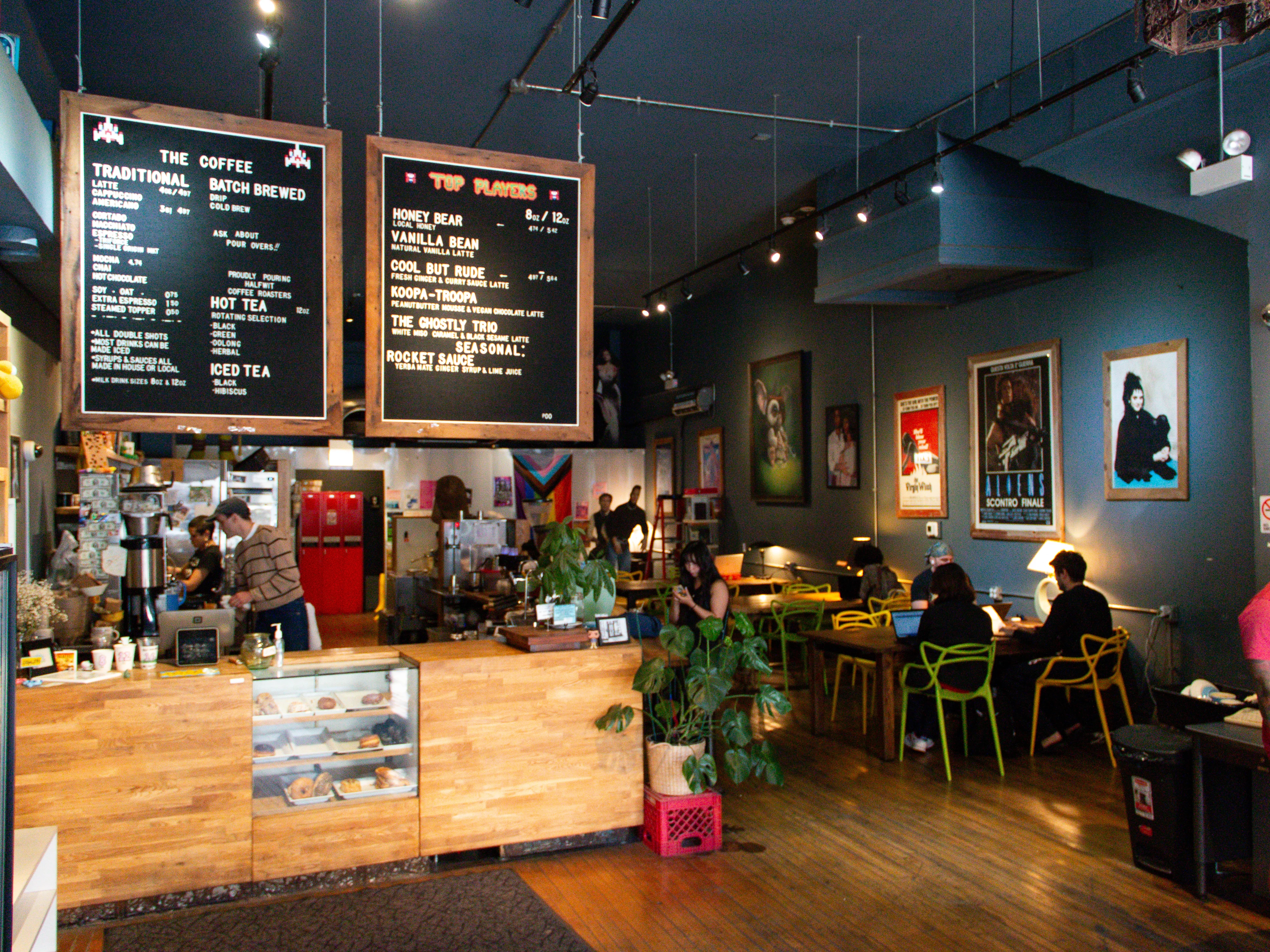
On October 30, a free 40-minute premiere at The Argo, 334 E. Silver Spring Drive in Whitefish Bay, turns the last 18 months of Discourse Coffee into a film. Ryan Castelaz and Discourse Coffee now have two cafe locations, Guest Coffee Collective roastery, a Chicago expansion, and Agency Cocktail Lounge, which earned a 2025 James Beard Award semifinalist nomination for Best New Bar. Discourse: The New Art of Coffee, directed by Milwaukee-based filmmaker Max Kinstler and sponsored by the Pabst Theater Group, arrives at the moment Castelaz’s coffee work has become roasting, service, cocktails, books, and documentary (Biztimes).
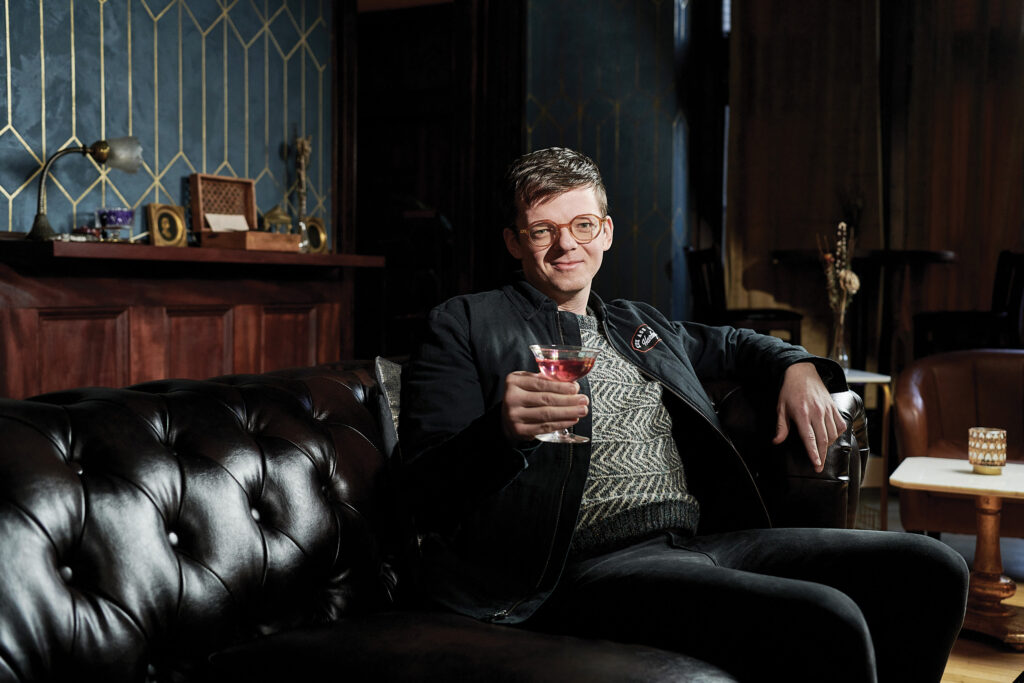
Castelaz is 31, Founder and CEO of Discourse Coffee and Agency Cocktail Lounge in Milwaukee, and the kind of operator whose work keeps spilling into the next format. Coffee became a 2023 book, The New Art of Coffee: From Morning Cup to Caffeine Cocktail. The title now echoes through a film. A fully non-alcoholic bar became a hybrid cocktail lounge. A cafe practice gained a roastery called Guest Coffee Collective. Biztimes.
The Documentary About Ryan Castelaz and Discourse Coffee Starts at the Counter
Kinstler’s documentary covers the last 18 months of Discourse’s growth, including the move into Chicago, the opening of Guest Coffee Collective, and the people inside the company who keep the work moving. The film premieres with free admission, which gives Milwaukee’s coffee crowd an unusually direct view of a local hospitality company while the build is still in motion.
The documentary arrives at a point when Discourse has become easier to list than to define. Discourse now includes cafés, the roastery, Agency, and the media work around the book and film. There were also three documentaries in production at the same time around Castelaz and Discourse, including an episode of Coffee: The Universal Language featuring Discourse, now live on YouTube.
For a coffee founder, being filmed changes the unit of craft. A barista can adjust a grinder shot by shot. A roaster can respond to a batch profile. A founder being followed by cameras has to make the operating system visible. The film shows growth, relocation, roastery work, and the human structure around Discourse.
A multi-location cafe company, a roastery, a cocktail lounge, workshops, a book program, and film attention all ask the same operational question: who translates the idea when the founder is not the person standing at the bar?
From Discourse Coffee to Agency Cocktail Lounge
Agency Cocktail Lounge gives Castelaz’s coffee-to-cocktail thinking its clearest public test. The lounge serves full-proof and non-alcoholic craft cocktails. Agency earned a 2025 James Beard Award nomination as a semifinalist for Best New Bar, and 2025 was the inaugural year for that category. The nomination arrived four months after Agency opened in its new home (Biztimes).
The timing would be useful on its own. The menu attached to the moment makes it more specific. When Agency received the semifinalist nomination, the bar had launched an entire menu celebrating Mountain Dew, following a young astronaut named Astra after a crash landing on Planet Baja, a planet with an atmosphere made of Baja Blast. That menu led to the finalist nomination and nearly a year of spin-off menus that followed Astra around the galaxy.
Agency reached the James Beard conversation with Baja Blast mythology and a service model built for guests who drink alcohol and guests who do not. The room grew from The Counter, a fully non-alcoholic cocktail bar in Milwaukee’s Crossroads Collective, which Castelaz later reconcepted into the hybrid model that became Agency.
The shift from The Counter to Agency shows the pressure point in non-alcoholic hospitality. Agency’s hybrid model answers the mixed table. One guest orders full-proof. Another orders non-alcoholic. The bar has to make both choices feel built, shaken, garnished, and served with equal care. That requirement pulls the work closer to coffee, where a barista already balances variables for different drinkers across a service rush.
The Zero to One Habit Behind the Menus
Castelaz describes himself as a zero-to-one person focused on creating a new solution and distinguishes that work from scaling an existing one from one to ten. Calling himself zero-to-one helps explain why Discourse keeps forming new containers.
Zero-to-one instincts can be useful and dangerous in hospitality. Zero-to-one energy can produce a drink menu guests remember. It can also outpace operations if nobody protects staffing, training, procurement, and service rhythm. Castelaz has said that naming this distinction helped him empower other leaders and find people who work naturally in the one-to-ten zone. That is where Sean Liu’s role matters. A Chief Operational Officer in a company like Discourse has to translate creative pressure into schedules, systems, and handoffs.
Workshops matter because they turn a brand’s ideas into teachable methods. Jenna Karsten has led every workshop Discourse opened in Milwaukee, and workshops are where a brand’s ideas either become teachable or stay as founder mythology. Coffee people know the difference between a founder-made drink and a repeatable recipe. A drink that works when the founder makes it can fail when the recipe card is thin, the prep is late, or the bar team has not tasted the components together. A workshop forces the method into public language.
"Discourse exists to inspire and empower coffee creatives. The joy and wonder of inviting creativity and adventure into the traditionally rote and mundane is available to all of us."1
Ryan Castelaz, founder of Discourse Coffee, Barista Magazine
Discourse Coffee is trying to make technical coffee work feel creative. It is trying to make technical work available as creative work. The distinction matters because a good bar still needs calibration, prep, tasting, cleaning, and timing. The weird thing still has to survive the ticket rail.
Guest Coffee Collective and the Roastery as Infrastructure
Guest Coffee Collective is the roastery inside the Discourse map. In a company that moves across cafés, cocktails, workshops, and media, roasting gives the work a base material. A roastery changes accountability by adding profiling, production planning, wholesale relationships, and quality control into the house.
The film includes the opening of Guest Coffee Collective. The roastery is part of how the company scales the flavor language behind Discourse. The coffee program has a named roasting arm.
Roasting also changes how a brand teaches. A cafe workshop can focus on brewing, milk texture, menu design, or service. A roastery workshop can move upstream into roast development and the way a coffee changes when it crosses formats. Castelaz’s published work already sits in that crossing. His next book is planned around 50 cocktails with both alcoholic and non-alcoholic versions, 100 recipes total.
That number says something about the workload. A paired alcoholic and non-alcoholic recipe requires more than removing the alcohol. Remove the spirit and the drink loses structure, bitterness, heat, aroma, or finish depending on the build. Rebuilding the non-alcoholic version requires another set of decisions. Castelaz’s next book places those decisions side by side, which matches Agency’s service model and Discourse’s habit of turning beverage constraints into public exercises.
Chicago Expansion and the Problem of Keeping the Work Legible
The move into Chicago widened the Discourse audience beyond Milwaukee. Expansion tests a coffee company differently than a single busy cafe. A new city asks whether the idea travels without the founder standing within reach of the bar. It also asks whether regulars can recognize the work through staff they have never met, in a neighborhood with its own morning patterns and its own expectations for service.
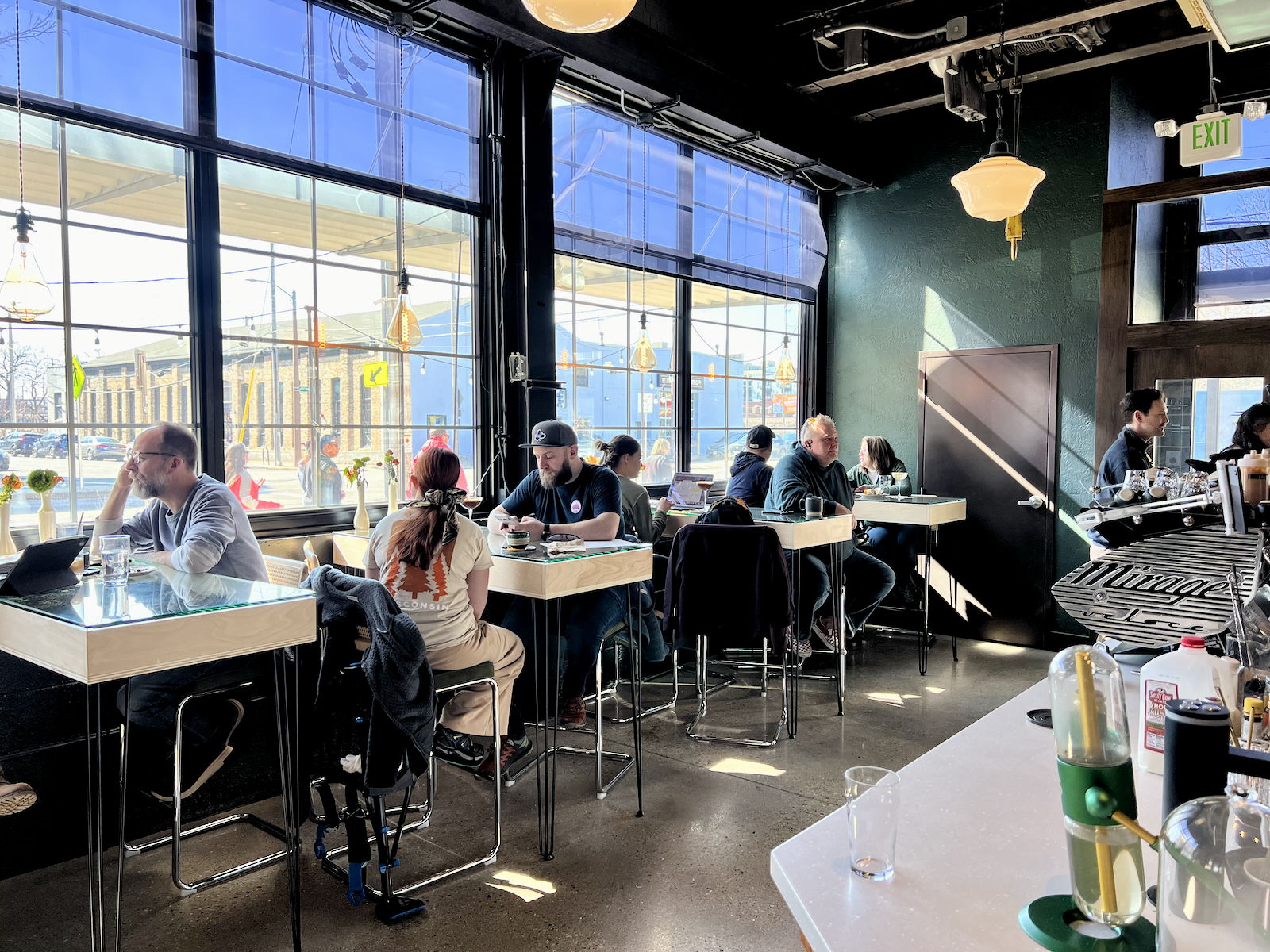
Discourse Coffee has two cafe locations, and the brand’s broader portfolio sits in and around downtown Milwaukee while also reaching Chicago. The exact mechanics of that growth matter less than the pressure it creates. A cafe brand that grows too fast can flatten itself into logos and menu boards. A founder-led operation can become too dependent on one person’s taste. Discourse is trying to solve that by naming the people who carry the work, including Liu on operations and Karsten on workshops.
A drink program built on novelty has to earn repeat visits. Guests may come once for a headline menu, a film premiere, or the chance to see how the Ryan Castelaz system works across formats. Guests return when the drink in front of them makes sense, when the person at the counter can explain it, and when the service feels designed. Discourse’s stated mission, to inspire and empower coffee creatives, becomes measurable in those small moments.
The Chicago piece also places Discourse inside a broader specialty coffee pattern. Cafes are no longer limited to espresso service, pourover bars, and retail bags. Many closely watched operators now build across education, roasting, pop-ups, bar programs, packaged goods, and media. Castelaz’s version is tied to cocktails, especially non-alcoholic and hybrid service. Agency gives the coffee world a case study in how the bar can learn from the cafe without giving up the mechanics of cocktail hospitality.
Three Documentaries, Two Books, and a Company Still Scaling
Discourse: The New Art of Coffee premieres at a useful moment because the industry is still sorting out what growth should look like for creative coffee businesses. The older cafe expansion script was easier to describe: open a second location, build wholesale, add a roaster, pursue consistency. Castelaz’s path adds a cocktail lounge, a book, a second book, documentaries, workshops, and a character-driven menu about Planet Baja.
That combination can sound scattered until the through-line appears. Each piece gives Discourse another way to teach people how to drink differently. A cafe does it across the counter. A roastery does it through coffee selection and roast direction. A workshop does it by giving the method away. Agency does it by placing alcoholic and non-alcoholic guests in the same room. A book does it through recipes. A documentary does it by making the build visible.
The film catches Discourse during an 18-month stretch that includes Chicago, Guest Coffee Collective, and the Agency recognition cycle, before those changes harden into company history.
Discourse Coffee and Agency are in Milwaukee, and Agency serves full-proof and non-alcoholic sides of the list. On October 30, the free premiere is at The Argo in Whitefish Bay, with Castelaz, Kinstler, and the Discourse team. The second book, with its 100 total recipes, will show how the Agency model reads when the drinks leave the bar and land in someone else’s hands.