Why go
Minamihorie changes register quickly: design shops, apartment blocks, small cafes, and patisseries sit close enough that dessert can become the point of a neighbourhood walk rather than an afterthought after dinner. In that setting, Patisserie Chocolaterie Ordinaire belongs to Osaka’s compact sweets culture, where production discipline, glass-case timing, and a calm handover at the counter matter as much as table service in a dining room.
Osaka is often read through takoyaki, okonomiyaki, kushikatsu, and late-night noodles, but its pastry map is more exacting than that shorthand allows. The city’s better sweets shops tend to compete on precision and repeatability: cakes that survive takeaway, chocolate work that holds its form, cafe formats that offer a short pause without turning into full-service restaurants. Patisserie Chocolaterie Ordinaire, listed for cake, chocolate, and cafe, fits that category rather than the hotel-lounge dessert circuit.
Minamihorie's small-format sweets culture rewards discipline over spectacle
The useful comparison is not a grand dessert salon. It is the independent Kansai patisserie that has to balance production, retail flow, and a small eat-in rhythm. Tabelog’s Sweets WEST 100 selections in 2018, 2019, 2020, 2022, and 2023 give Patisserie Chocolaterie Ordinaire a clear trust signal inside that field. The rating context is also concrete: a 3.69 Tabelog score places it in the serious local conversation for sweets, where incremental differences in finish and consistency matter.
That repeated recognition says something broader about Osaka pastry. Kansai sweets culture has long absorbed French technique without treating it as museum craft; the better shops are practical, retail-minded, and built around regular customers who know exactly when a case looks ready. Compared with neighbourhood peers such as LE PINEAU Kitahorie honten and Patisserie Rechercher, this shop sits in the same accessible spending band, a useful marker for travellers who want a serious patisserie stop without the structure of a tasting menu.
The team dynamic here is not about a celebrity chef narrative. In a shop of this scale, collaboration is usually visible in the rhythm: production must land before service, counter staff need to move customers through decisions, and any cafe element has to coexist with takeaway demand. When television coverage or event orders increase, the shop has been known to adjust production priorities, a practical reminder that small patisseries operate on capacity, not theatre.
Cake, chocolate, and cafe service in a city built for short stops
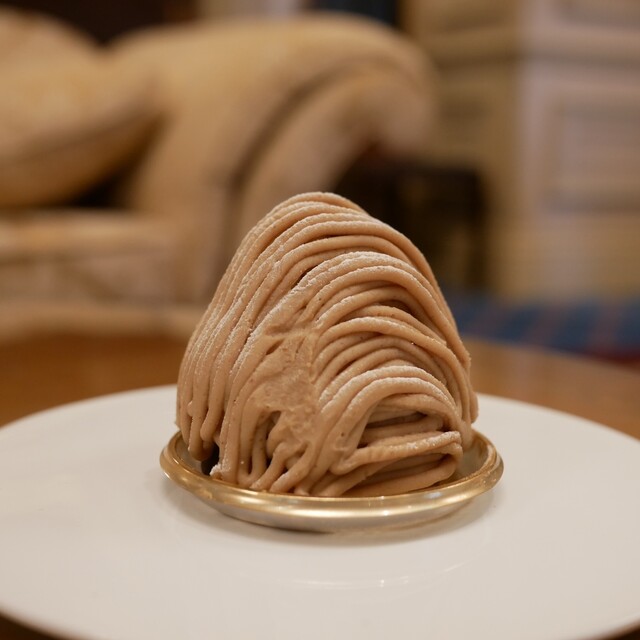
The categories tell the reader how to use the place. Cake and chocolate are the anchor; cafe service changes the tempo, making it possible to treat the stop as a pause rather than a purchase-and-go errand. That distinction matters in Osaka, where eating often happens in quick, purposeful bursts. A patisserie with a small cafe function gives visitors a different reading of the city: quieter, more precise, and less tied to the grill, fryer, or noodle counter.
For a broader Osaka itinerary, the contrast is useful. A day might move from the bakery lane of 52CHO-ME BAKERY to casual city staples such as 551 Horai (551蓬莱), then into a more specialist sweet stop in Minamihorie. The point is not to rank them against one another; it is to understand how Osaka’s casual dining culture makes room for pastry without making it precious.
Travellers building around coffee, dessert, and afternoon pacing can also cross-reference .cafe, while those planning a fuller dining day may look at 99 Pizza Napoletana Gourmet or a canto (Italian). For citywide context, use Our full Osaka restaurants guide, with separate planning layers in Our full Osaka hotels guide, Our full Osaka bars guide, Our full Osaka wineries guide, and Our full Osaka experiences guide.
Where it fits for a traveller planning Japan by texture and tempo
Patisserie Chocolaterie Ordinaire is strongest as a specialist interlude: a sweets stop that gives Minamihorie definition and breaks up the density of central Osaka eating. It is not trying to solve every occasion. The appeal is narrower and more useful: a recognised Kansai patisserie format, accessible pricing, and a small-scale service model that suits a day spent moving between neighbourhoods.
That makes it different from larger meal-led planning across Japan. A traveller comparing regional formats might file it separately from beef-focused dining such as -Grilled beef Sukiyaki- KAMAKURA TANUKIAN 鎌倉 たぬき庵 in Kamakura, casual seafood-and-charcoal formats such as. 鮪と炭火焼き うお炭 秋葉原店 in Tokyo, or regional cafe-restaurant hybrids such as.know in Kumamoto. The Osaka patisserie stop has a shorter arc, but the shorter arc is the point.
There is a broader editorial lesson in that. Japan rewards itinerary design by format, not only by cuisine. A curry specialist like [Curry Senmon Ten] Maruyama Kyoju. in Sapporo, a Kyoto listing such as [ki:] in Kyoto, a Kawasaki Vietnamese address like (Shoku) Vietnam in Kawasaki, and overseas Japanese-adjacent references such as Jōdo Saké Bar in Los Angeles or Onigiri Time in Pasadena all require different expectations. In Osaka, this address belongs to the low-ceremony, high-precision dessert slot: short, focused, and better treated as part of the day’s rhythm than as a finale with ceremony attached.