Why go
The Corner That Gelato Purists Know
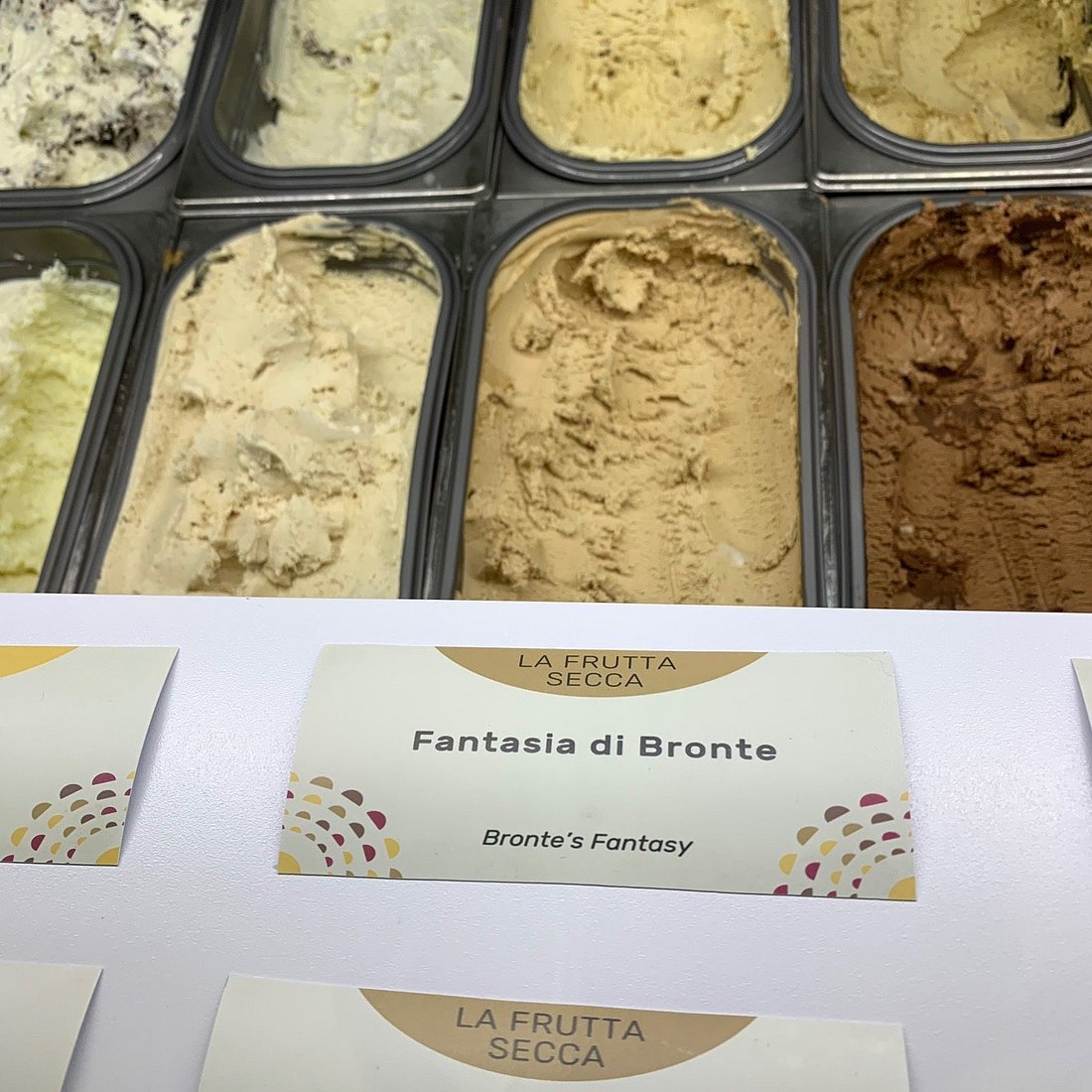
Piazza del Risorgimento sits at the northern edge of the Vatican boundary, a large open square where the foot traffic is relentless and the gelato options are, by Roman standards, overwhelming. Most shops here are optimised for volume: mountainous pastel peaks, neon signage, and flavours engineered for visual appeal. Il Gelato di Claudio Torcè, at number 51 on the piazza, occupies a noticeably different register. The display is modest, the colours are muted and natural. The approach belongs to a longer Italian tradition of reading gelato as a food product, not a tourist format, and that distinction becomes legible the moment you look at what's in the case.
Where the Ingredients Come From, and Why That Changes Everything
Rome's craft gelato circuit has developed a clear internal hierarchy over the past two decades. At the serious end sit producers who source primary ingredients with the same rigour applied to restaurant kitchens: single-origin chocolate, seasonal fruit bought at its peak, nuts from named Italian growing regions, milk from suppliers whose practices are traceable. This sourcing-first approach is the editorial context for understanding Torcè. The gelato here reflects what is available and what is at its finest, not what is most consistent or shelf-stable. That means the flavour profile shifts with the season, and a pistachio or hazelnut gelato is built on the inherent quality of the base ingredient rather than additive enhancement.
In Italy, the hazelnut question is a useful litmus test. The Tonda Gentile Romana and the Piedmontese Tonda Gentile delle Langhe, the varieties associated with the Alba region and some of the country's most serious kitchens, carry a flavour that is genuinely distinct from commodity hazelnut paste. Producers who use them don't need to tell you, the gelato announces itself. The same applies to Sicilian pistachios from Bronte, which have been a reference point for Italian pastry and gelato chefs in much the way that single-estate olive oil functions in savoury cooking. These are not proprietary claims about this specific counter, but they are the standards against which Rome's serious gelato shops are measured.
Italy's broader restaurant scene has moved steadily toward ingredient transparency over the past decade. Kitchens from Osteria Francescana in Modena to Atelier Moessmer Norbert Niederkofler in Brunico have built reputations partly on the specificity of their sourcing relationships. Gelato, as a category, has followed a parallel track at the artisan level, and Rome's leading producers are now understood in that context, not simply as street food adjacent to the main attractions.
The Roman Gelato Tradition and Where Torcè Sits Within It
Rome's gelato identity is distinct from the northern Italian tradition centred on Bologna and Emilia-Romagna, where the artigianale movement formalised earliest. Roman gelato culture is more vernacular, more embedded in neighbourhood life, and historically less codified than Florentine or Bolognese interpretations. The result is a city where the gap between the serious and the mediocre is unusually wide, and where the serious operators tend to develop strong local clientele before they acquire wider recognition.
The Risorgimento location places Torcè in a commercially active but editorially complicated neighbourhood. The Vatican corridor is not where Rome's most talked-about food addresses tend to concentrate, those cluster in Testaccio, Prati (the residential streets rather than the tourist edge), Trastevere, and Pigneto. But serious gelato has never followed the same geography as fine dining. Shops like Torcè operate on foot-traffic logic and neighbourhood loyalty, which means a quiet piazza-side counter can sustain quality over decades without the visibility that accrues to, say, a restaurant with an award citation in a major guide. Rome's dining at the formal end, including addresses like La Pergola, Acquolina, and Il Pagliaccio, operates in an entirely different economy of recognition. Gelato sits outside that system, which is part of what makes the serious end of the category interesting.
Comparable artisan gelato operations in other Italian cities, including those attached to Michelin-recognised restaurant groups or to specific pastry traditions, tend to anchor their identity in one or two signature preparations. The chocolate, the pistachio, or the seasonal fruit sorbet becomes the reference point by which the producer is assessed. Visiting with that frame, identifying what the counter does at its technical limit, is a more useful approach than working through the full range.
What to Know Before You Go
Piazza del Risorgimento is a natural waypoint when approaching the Vatican Museums from the north, or when crossing back toward Castel Sant'Angelo and the Tiber. The piazza is served by several bus lines and sits within a ten-minute walk of the Ottaviano metro stop on Line A. The surrounding neighbourhood, Prati, carries a reputation as one of Rome's more residential and locally-oriented districts west of the river, the streets running south from the piazza toward the Tiber have a different character from the tourist-facing blocks immediately adjacent to St Peter's.
Rome's gelato rhythm follows the city's general schedule: mid-afternoon through evening is peak gelato time, and the serious shops tend to produce in smaller batches than volume operators. Arriving earlier in the day or during a lull between tourist waves will give a clearer sense of the selection. There is no reservation system and no table service in the fine dining sense; this is counter service, priced per scoop or weight depending on the format, and the transaction is quick. Rome's artisan gelato market sits at a meaningfully higher price point than the tourist-facing volume shops, though still well below the register of the city's formal restaurant addresses.
For visitors building a Rome itinerary that takes food seriously, the city's gelato circuit deserves treatment as a distinct category alongside the restaurant scene. The formal end of Roman dining, from Enoteca La Torre to Achilli al Parlamento, operates on booking lead times and tasting menus. The gelato tier operates on proximity and timing. Both reward the same underlying instinct: prioritise the producer who is working with the actual ingredient, not the presentation built around it.
Italy's broader fine dining circuit, from Le Calandre in Rubano to Uliassi in Senigallia and Reale in Castel di Sangro, has progressively foregrounded sourcing as a primary value. Artisan gelato at the level Torcè represents is the accessible expression of the same logic: the ingredient is the argument, and everything else follows from it.