Why go
Approaching Kyoto’s older coffee shops, the first cue is rarely theatrical; it is the slower tempo: morning traffic thinning near the river, regulars arriving before lunch, and a dining room where coffee, toast, sandwiches, and cake are daily ritual rather than special-occasion script. COFFEE HOUSE maki fits that Kyoto pattern clearly. Founded in 1966 and moved to its current address around 1977, it belongs to a generation of kissaten that predate the city’s specialty-coffee boom and operate by a different clock.
The kissaten tradition in Japan is not simply “café culture” with darker wood and older signage. It is a specific social format built around table service, breakfast sets, lingering, newspapers, and tolerance for solitary time. Kyoto adds its own inflection: eating habits split between temple-adjacent sweets, market snacks, formal kaiseki, university-area cafés, and compact neighbourhood counters. In that mix, a long-running coffee house near Demachiyanagi offers evidence of the city that is less performative than a tasting menu and more revealing than another queue for a famous sweet.
Kyoto's morning ritual, before the day turns formal
Morning service matters because it frames the meal as habit. Kyoto can be severe at dinner, with reservation systems, private rooms, and high ceremony shaping much of the city’s upper-tier dining. A kissaten breakfast reverses that pressure: lower in cost, looser in posture, and more local in rhythm. Coffee first, a sandwich or toast-based order second, then time. The category rewards consistency over novelty.
That is easy to miss where visitors measure dining by temples, Michelin counters, and kaiseki lineage. The old coffee-shop circuit sits closer to daily Kyoto, overlapping with commuters, families, students, and older regulars who use these rooms as neighbourhood extensions. COFFEE HOUSE maki’s selection for Tabelog 100 Kissaten in 2021 and 2022 matters not as trophy status, but as recognition within a specifically Japanese coffee-shop category. It is not competing with sushi counters such as Sushi Hayashi or formal Japanese dining rooms such as Kokyu; it belongs to the affordable, habitual side of the city’s food map.
The price tier reinforces that distinction. In Kyoto, sub-¥1,000 eating can mean market grazing, department-store snacks, bakery counters, or old-school cafés. Demachi Futaba and boulangerie Artisan'Halles occupy nearby low-cost registers, while Sabo Isehan moves into a slightly higher tea-and-sweets bracket. A kissaten such as COFFEE HOUSE maki sits between sustenance and pause, with sandwiches, café plates, breakfast availability, takeaway coffee beans, and homemade pound cake forming a practical repertoire rather than a chef-led tasting narrative.
The kissaten format rewards patience, not novelty
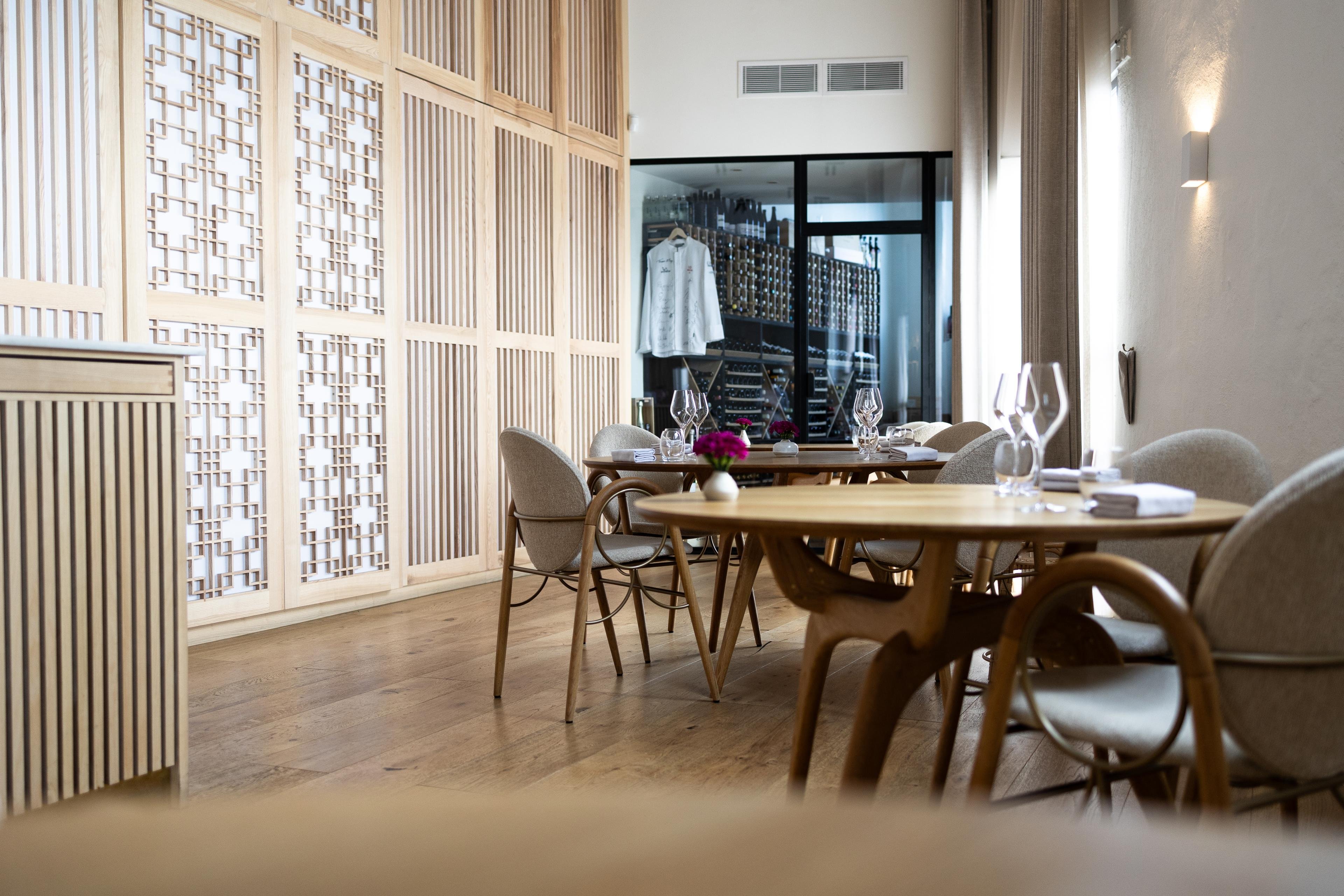
The room’s scale also matters. With 54 seats, this is not a tiny counter where scarcity supplies the drama. The format is closer to a neighbourhood salon, helped by sofa seating and a no-smoking policy throughout the day, useful in a category historically associated with smoke. That combination widens the audience: families and friends can use the room without fine-dining choreography, while solo visitors read the city through ordinary rituals.
Reservations are unavailable, which suits the genre. Treat the visit as part of a Demachiyanagi or Kamigyo morning, not the anchor of a tightly scheduled dining day. The nearest station is Demachiyanagi, and the area connects food habits easily: coffee before a river walk, sweets after, or a later move into central Kyoto’s denser restaurant lanes. The address also sits outside the heavier tourist compression of Gion and Nishiki, where casual meals can feel over-managed by demand.
Within Kyoto’s everyday-food spectrum, Aburi Mochi Honke Nemoto Kazariya reflects the city’s shrine-side sweet tradition, while 551蓬莱 shows quick Kansai comfort food in a different urban circuit. 3TOKU6MI Shijo karasuma ten, [ki:], and Abbesses point toward more contemporary or restaurant-led decisions. The coffee-house choice is quieter but no less instructive: it shows how Kyoto eats when the city is not dressing for dinner.
Where it fits in a Kyoto itinerary
COFFEE HOUSE maki is strongest as a morning or early-day stop, especially for travellers who want Kyoto’s food culture without making every meal a reservation exercise. The appeal is not rarity for its own sake, but the survival of a format: breakfast available until midday, coffee beans and pound cake to take away, children welcomed, and partly old-school payment habits, with credit cards and electronic money not accepted but PayPay supported.
That makes it a counterweight to Kyoto’s planned dining. A day could start with kissaten pacing, move toward sweets around Demachiyanagi or Kamigyo, then finish in a more formal room elsewhere. Readers building a broader itinerary can use Our full Kyoto restaurants guide for dining context, then cross-check sleep, drinking, wine, and cultural planning through Our full Kyoto hotels guide, Our full Kyoto bars guide, Our full Kyoto wineries guide, and Our full Kyoto experiences guide.
The broader Japanese casual-food field is wide, from.cafe in Osaka and.know in Kumamoto to (Shoku) Vietnam in Kawasaki and [Curry Senmon Ten] Maruyama Kyoju. in Sapporo. Different formats, same lesson: modest price points often reveal more about urban appetite than luxury rooms do. For travellers mapping Japan beyond Kyoto, -Grilled beef Sukiyaki- KAMAKURA TANUKIAN 鎌倉 たぬき庵 in Kamakura and. 鮪と炭火焼き うお炭 秋葉原店 in Tokyo sit on a different dining axis, while overseas Japanese formats such as Jōdo Saké Bar in Los Angeles and Onigiri Time in Pasadena show how selectively these rituals travel.
The editorial case is simple: Kyoto’s serious food culture is not confined to expensive counters. Its older kissaten preserve a civic rhythm of breakfast, coffee, and unforced time. COFFEE HOUSE maki earns attention because it makes that rhythm legible, with enough recognition to justify the detour and enough everyday function to keep the experience grounded.