Why go
Where Upper Tumon's Commercial Strip Meets Café Culture
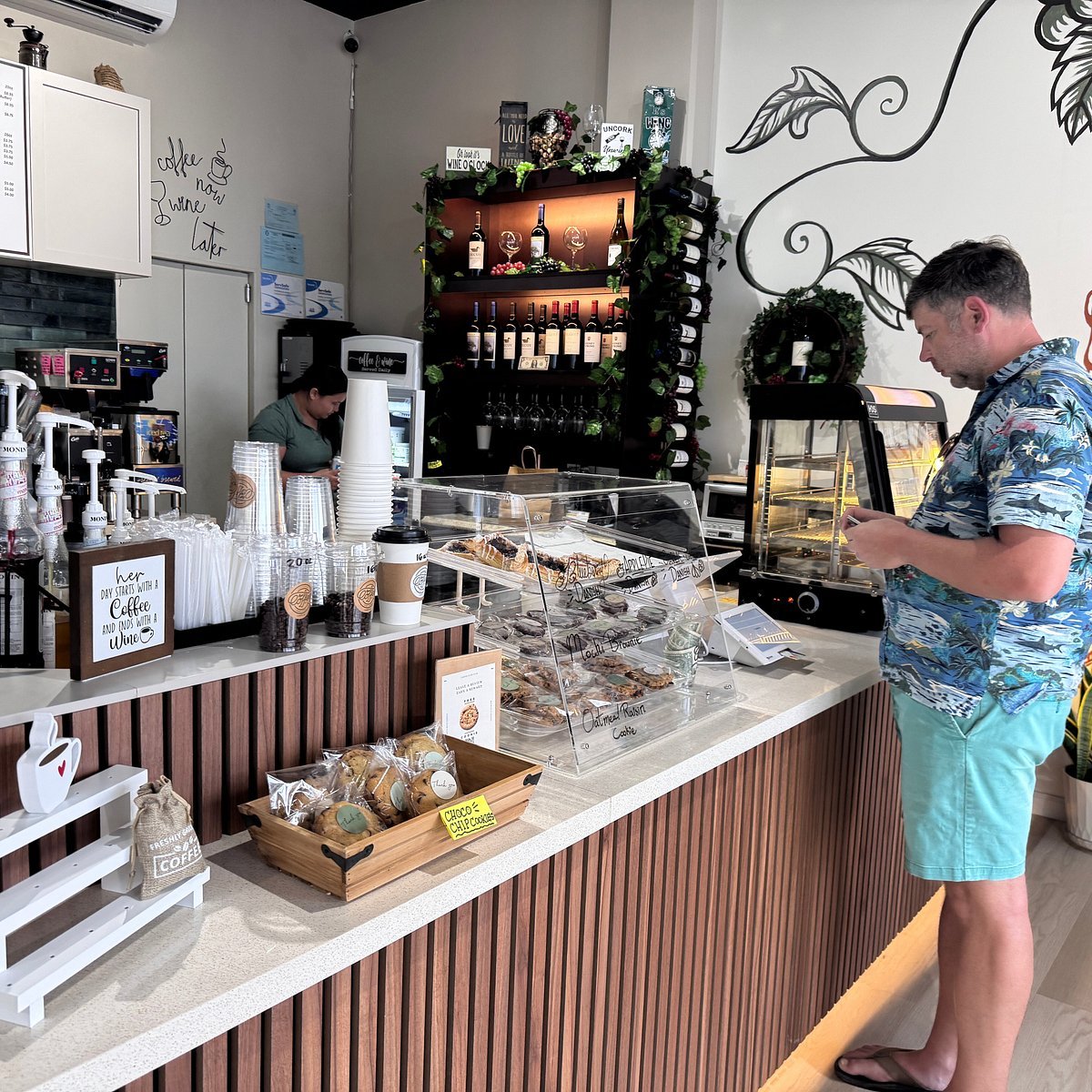
North Marine Corps Drive in Upper Tumon functions as Guam's most concentrated stretch of retail, hospitality, and food-and-beverage activity. The corridor draws a cross-section of the island's population, military families, Korean and Japanese tourists, long-term residents, and the café operations that survive along it tend to do so by reading that mix accurately. Coffee Club Guam occupies Suite 124 of the Star Building at 888 North Marine Corps Drive, a commercial address that places it inside the flow of daily Tumon traffic rather than at a remove from it. That positioning shapes the character of the experience: this is a café designed to function as a practical stop within a busy zone, not as a destination that requires a separate trip.
The wider Tumon café segment has grown more competitive over the past decade, as the island's food scene absorbed influences from Japan, Korea, the Philippines, and the continental United States in roughly equal measure. Guam occupies an unusual position in Pacific food culture: geographically remote from major agricultural supply chains, yet historically connected to both American commissary culture and the indigenous Chamorro tradition of using local produce, breadfruit, coconut, taro, tropical fruits, as foundational ingredients. Cafés that operate in this environment make sourcing decisions that mainland operators rarely face in the same form. The question of where ingredients come from carries more logistical and cultural weight on an island than it does in a city with road access to multiple growing regions. For a broader survey of how Barrigada and its surrounding areas handle that tension across different formats and price points, the full Barrigada restaurants guide maps the options clearly.
The Pacific Sourcing Context
Island café operations across the Pacific tend to fall into two broad camps. The first sources primarily through established import channels, shelf-stable goods, commodity coffee, standardised dairy, and produces a menu that could operate identically in a mainland strip-mall. The second attempts to integrate local or regional sourcing where supply allows, which in Guam's case means navigating the island's reliance on container shipping for the majority of its food supply. Locally grown produce exists, Guam's Department of Agriculture has documented ongoing efforts to expand local farming capacity, but it reaches food-and-beverage operators in smaller volumes and with less supply-chain consistency than import alternatives.
This context matters when assessing any café operating in Upper Tumon. Ingredient provenance is not simply an ethical or marketing consideration; it is a logistical and operational one that shapes menu design, pricing, and consistency in ways that differ from what visitors from the continental United States, Japan, or Australia might expect. The café operations that handle this leading tend to build menus around what travels well or sources reliably, rather than committing to seasonal specificity that the supply chain cannot support. Neighbouring operations like Onigiri Seven in Tumon illustrate one response to that challenge: a format built around a staple ingredient with stable supply and strong cultural resonance in Guam's Japanese-influenced food scene.
The Tumon Café Tier
Within Guam's food-and-beverage hierarchy, the café format occupies a specific and pragmatic tier. It sits below the island's full-service restaurant operations, places like Cham's Thai Cuisine in Tamuning and Jin Mi in Harmon, which offer structured dining with fuller service, and above the quick-service and fast-casual options that dominate the island's lunch traffic. Cafés in this mid-tier bracket are expected to offer a reliable range of coffee preparations, some food, and a space that functions for both brief stops and longer working or social visits. Pepper Lunch in Dededo represents the quick-service end of that spectrum; the café tier that Coffee Club Guam inhabits asks for slightly more in terms of environment and product quality without moving into the full dining-experience bracket.
For visitors accustomed to the reference points of recognised fine dining, the sourcing rigour of Le Bernardin in New York City, the produce-led discipline of Lazy Bear in San Francisco, or the regional-ingredient commitments of places like Atelier Moessmer Norbert Niederkofler in Brunico, the Tumon café tier operates on a fundamentally different axis. The comparison set is not the Michelin-tracked world of HAJIME in Osaka or the tasting-menu tradition of Atomix in New York City. It is the practical hospitality of a commercial-corridor café serving a genuinely diverse daily clientele on a Pacific island.
Planning a Visit
The Star Building address on North Marine Corps Drive places Coffee Club Guam within walking distance of the main Tumon hotel strip, making it accessible to visitors based in the tourism core without requiring transport. No booking information is on record, which is consistent with the walk-in model typical of café-format operations at this tier. Visitors with children will find the café format generally accommodating, the absence of a formal dining structure and the commercial-strip location both suggest an environment that is not built around quiet or formality.
For those spending more time across the island's food scene, the range of dining formats across Guam's villages and tourist corridors is wide. European reference points for ingredient-led dining, the seafood sourcing of Uliassi in Senigallia, the regional produce commitments of Piazza Duomo in Alba, the coastal-ingredient focus of Quattro Passi in Marina del Cantone, or the long-standing kitchen discipline of Dal Pescatore in Runate, sit at a considerable remove from what a Tumon commercial-strip café is built to deliver, but they illustrate the spectrum of ambition that sourcing-conscious food operations can reach when geography and supply chains are not the binding constraint. At the other end of the same conversation, the classical French tradition of Waterside Inn in Bray, the Abruzzo-rooted work at Reale in Castel di Sangro, and the Emilia-anchored cooking of Emeril's in New Orleans or the modernist precision of Le Calandre in Rubano represent a tier of sourcing and technique specificity that defines a different category of operation entirely.