Why go
Utsubohonmachi changes tempo quickly. Step away from Hommachi’s office density and the streets feel less transactional: smaller buildings, slower foot traffic, and cafes that operate as pauses, not pit stops. In that setting,.cafe fits a particular Osaka habit. Visitors may know the city for counter food, late-night drinking, and takoyaki shorthand, but its cafe culture has a disciplined afternoon grammar: arrive with time, expect seasonal rotation, and make the sweet course the center of the visit.
That ritual matters because Osaka’s cafe scene is not one category. There are takeaway bakeries, kissaten with old-city regulars, dessert rooms built for social platforms, and contemporary cafes paced closer to small restaurants than coffee stops. The distinction at.cafe is not spectacle. It belongs to the quieter camp, where recognition depends on consistency, seasonality, and making a short menu feel considered. Selection for Tabelog Cafe WEST “Tabelog 100” in 2025 places it among a curated western Japan group, not the casual neighborhood-cafe mass.
Osaka's cafe ritual rewards patience over turnover
The Japanese cafe visit has its own etiquette, especially in a city that prizes counter speed. A ramen shop may be read by queue velocity; a cafe like this is read by cadence. The meal unfolds in an afternoon window, usually with a dessert-led order and a drink, and the diner should not treat the room like a workstation unless invited. The pleasure is the interval: the pause between lunch and dinner, making a single plate the reason for crossing town, and accepting that seasonal items may shift before arrival.
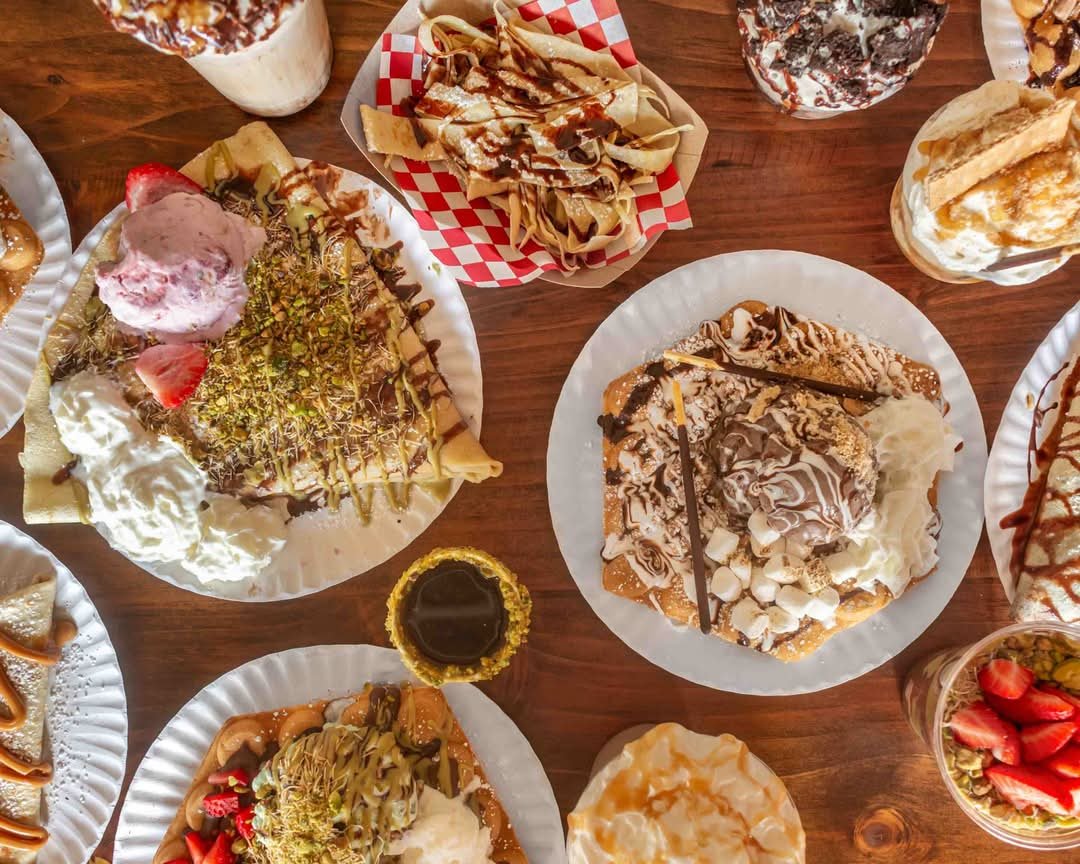
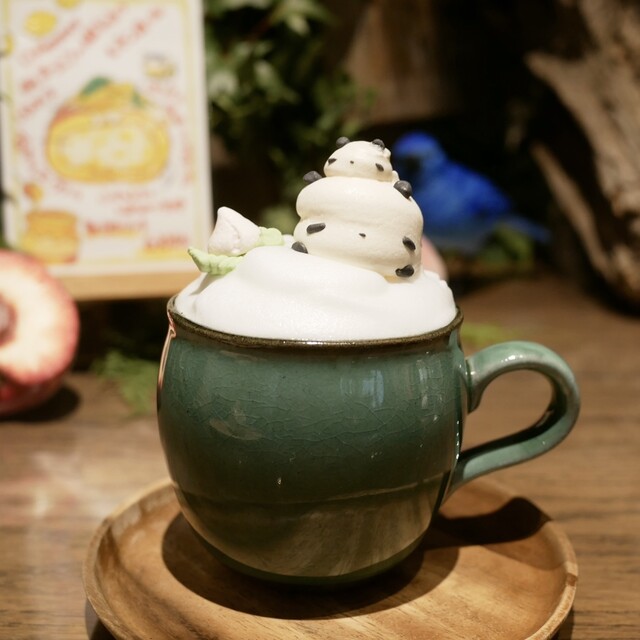
Seasonal rotation is operating logic, not decoration, and it changes how travelers should plan. In Osaka, serious cafe-goers often check a venue’s current social feed before setting out, not because it chases novelty, but because fruit, cream, pastry components, and plated desserts move with the calendar. Expect category rather than guarantee: seasonal sweets and cafe drinks, not a fixed signature order. The emphasis returns to timing and availability, separating destination cafes from ordinary coffee breaks.
The Tabelog score of 3.60 is another useful signal in the Japanese context. On Tabelog, scores above the mid-threes can indicate meaningful local traction, especially where daily convenience venues vastly outnumber serious specialists. The 2025 Tabelog 100 selection is stronger: it identifies the cafe within a regional field, not merely as a well-liked stop near an office district. For travelers using Osaka as an eating city rather than a checklist city, that recognition matters more than broad international fame.
How it sits among Hommachi's lunch-and-afternoon circuit
Hommachi is a practical eating base linking business Osaka with smaller Nishi-ku addresses. The area supports a mixed circuit: quick bowls, Japanese dining rooms, Italian lunches, bakeries, and cafes catching the afternoon drift after the lunch rush. In that sense,.cafe is less a standalone pilgrimage than a precision stop in a central Osaka day. Build a route around nearby daytime eating, then use the cafe as the slower middle act before dinner or bars elsewhere.
Nearby categories clarify the role. Tanaka no Chuka Soba occupies the affordable noodle lane, where repetition and speed define value. Utsubohommachi Gaku and Différence sit in a more formal restaurant bracket, where the meal carries reservation-led evening weight. Porta Nuova and Soba Kiri masa show how the area swings between Italian, soba, and lunch-friendly formats without leaving the neighborhood radius. Against that range, the cafe role is narrower but useful: it supplies the soft interval a food-focused Osaka day often lacks.
There is also a price-tier implication. Osaka remains unusually strong at accessible spending levels, and cafe culture benefits. Rather than requiring a tasting-menu commitment, a serious cafe visit offers a lower-friction way to read the city’s taste for seasonality, presentation, and queue discipline. That does not make it careless-casual; it makes the decision about timing, appetite, and patience rather than ceremony.
Where to place it in an Osaka food itinerary
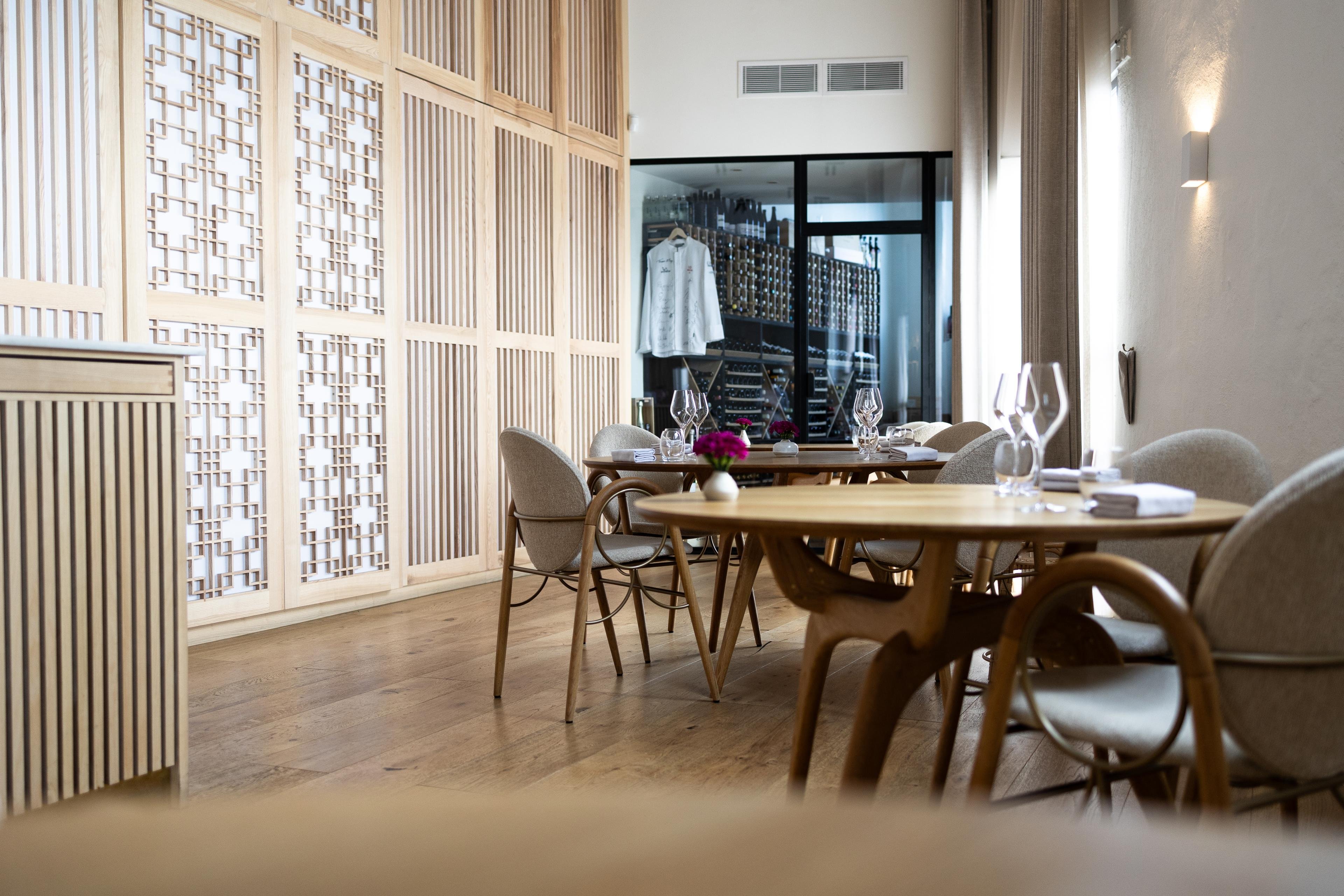
The right use case is an afternoon around Nishi-ku or Hommachi, not a rushed detour between distant landmarks. The venue’s no-smoking status, reservation availability, and lack of private-room framing point to a compact cafe experience, not a private dining occasion. Parking is not part of the proposition, so go rail-first and walk the neighborhood. Payment expectations also matter in Japan’s smaller independent venues; when a cafe does not position itself around card or QR convenience, cash planning removes friction.
For broader Osaka planning, treat this as one tile in a citywide eating map. Bread-focused mornings can start with 52CHO-ME BAKERY, while classic mass-market Osaka comfort sits in a different lane at 551 Horai (551蓬莱). For Italian cooking, compare the mood at 99 Pizza Napoletana Gourmet and a canto (Italian); for a more open-ended local listing, Aaaa adds another data point. The wider city index is covered in Our full Osaka restaurants guide, with parallel planning in Our full Osaka hotels guide, Our full Osaka bars guide, Our full Osaka wineries guide, and Our full Osaka experiences guide.
Travelers extending the same food logic beyond Osaka can compare how specialized formats translate across Japan and abroad: beef sukiyaki at -Grilled beef Sukiyaki- KAMAKURA TANUKIAN 鎌倉 たぬき庵 in Kamakura, tuna and charcoal cooking at. 鮪と炭火焼き うお炭 秋葉原店 in Tokyo, regional dining at.know in Kumamoto, Vietnamese cooking at (Shoku) Vietnam in Kawasaki, curry specialization at [Curry Senmon Ten] Maruyama Kyoju. in Sapporo, Kyoto minimalism at [ki:] in Kyoto, sake-bar culture at Jōdo Saké Bar in Los Angeles, and Japanese casual-format translation at Onigiri Time in Pasadena.
The editorial case for.cafe is specific: it is a recognized Osaka cafe for travelers who understand that the afternoon sweet course can be planned as seriously as lunch or dinner. The visit belongs to a slower rhythm, and that is the point. In a city often sold through noise, neon, and speed, this reminds visitors that Osaka’s dining culture also has quieter rituals, especially when the calendar determines what reaches the table.